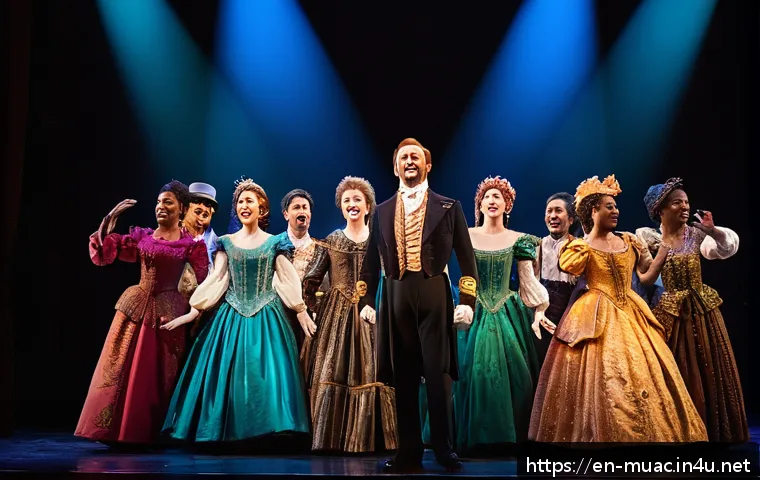
In today’s rapidly evolving entertainment landscape, musical actors are navigating unprecedented challenges that differ widely depending on where they perform.
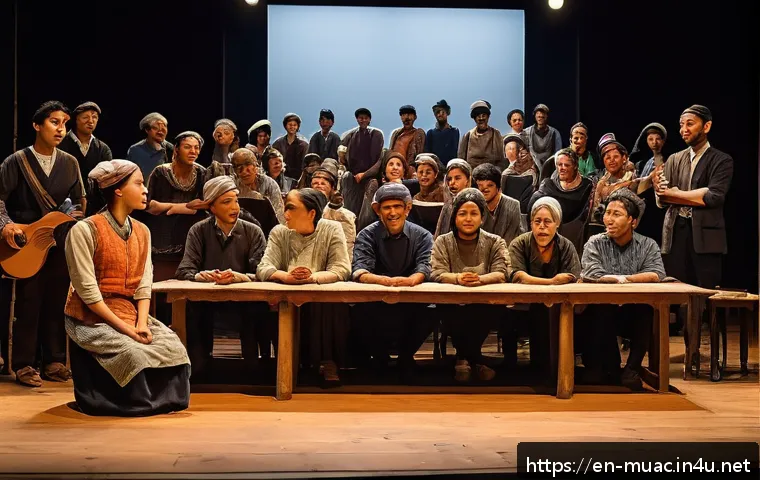
Whether on Broadway’s grand stages or emerging theater scenes abroad, these performers face unique hurdles that test their resilience and adaptability.
As global audiences crave more diverse and authentic storytelling, understanding these contrasting experiences becomes essential. Join me as we delve into the fascinating world of musical theater and uncover how location shapes the artistry and struggles of those who bring stories to life on stage.
This exploration promises fresh insights for theater lovers and aspiring actors alike.
Adapting to Different Production Scales and Budgets
The Vast Contrast Between Large-Scale and Intimate Productions
When you step onto a Broadway stage, you instantly notice the grandeur—the massive sets, elaborate costumes, and state-of-the-art lighting and sound systems.
These productions often come with hefty budgets that allow for high production values, extensive rehearsal periods, and top-tier creative teams. However, this scale also means immense pressure on actors to deliver consistently flawless performances night after night.
In contrast, regional theaters or emerging markets may operate on shoestring budgets, requiring actors to be resourceful and flexible. I’ve experienced both worlds, and it’s striking how performers in smaller venues often juggle multiple roles—from acting to sometimes helping with set changes—creating a very different kind of artistic challenge and camaraderie.
Impact on Performer Preparation and Performance Style
The resources available affect more than just the spectacle; they shape how actors prepare and perform. On Broadway, the expectation is polished precision, with vocal coaches, dialect experts, and physical trainers supporting actors.
This can be both a blessing and a curse—while you get expert guidance, it can sometimes feel like you’re part of a well-oiled machine, leaving little room for spontaneous creativity.
Meanwhile, in smaller or international theaters, performers often have to rely heavily on their own creativity and adaptability, sometimes improvising or interpreting roles with more personal flair.
This self-reliance can be invigorating but also intimidating, especially when there’s less margin for error.
Financial Realities and Career Sustainability
The financial aspect cannot be overlooked. Broadway actors may earn comparatively higher salaries, but the cost of living in cities like New York is astronomical, often eating into those earnings.
Touring productions abroad might pay less, but living expenses can vary widely, sometimes making it easier to save. However, inconsistent contracts and fewer benefits in smaller markets pose real challenges to long-term career sustainability.
Based on my conversations with peers, many actors outside major hubs supplement their income through teaching or other side jobs, balancing their passion with practicality.
Navigating Cultural Expectations and Audience Engagement
How Cultural Context Shapes Storytelling and Performance
Performing in different countries means tuning into local cultural nuances. For example, humor, emotional expression, and even body language can carry very different meanings.
I once performed in a production abroad where subtle gestures that I thought were neutral were perceived as overly dramatic or even disrespectful. This required me to recalibrate my acting choices to connect authentically with the audience.
It’s fascinating how the same script or musical number can resonate differently depending on cultural context, demanding a level of sensitivity and adaptability from actors.
Audience Interaction and Feedback Dynamics
The relationship between performers and audiences varies greatly. On Broadway, audiences tend to be very vocal—applauding enthusiastically or reacting immediately to jokes and musical numbers.
This instant feedback energizes performers but also heightens the stakes. In contrast, some international audiences are more reserved, showing appreciation in quieter ways.
I’ve learned that reading these subtle cues is crucial for pacing and emotional delivery. The ability to adapt to these differences often makes the difference between a good performance and a truly memorable one.
Language Barriers and Multilingual Performances
Language adds another layer of complexity. Performing in a non-native language or in multilingual productions challenges actors to maintain emotional authenticity while mastering pronunciation and rhythm.
Some performers thrive in this environment, embracing the challenge as a growth opportunity. Others find it exhausting, especially when trying to convey complex emotions through a language they’re still perfecting.
I recall a colleague who spent months rehearsing in a second language and said it profoundly deepened her understanding of the character, even though it tested her endurance.
Professional Networks and Career Opportunities Across Regions
Industry Infrastructure and Support Systems
Broadway benefits from a well-established infrastructure with agents, casting directors, unions, and training programs all concentrated in one place. This ecosystem makes it easier to find opportunities and receive professional support.
Conversely, in emerging theater markets or smaller cities, these systems might be fragmented or less accessible. Actors often rely on informal networks or grassroots organizations to find gigs.
From my experience, building genuine relationships in these communities can open doors that formal channels sometimes miss, though it requires patience and persistence.
Access to Training and Development Resources
The availability of specialized training varies significantly. In major cities, workshops, masterclasses, and coaching from industry veterans are abundant.
This constant learning environment helps actors stay competitive. In contrast, performers in less centralized markets might have limited access to such resources, pushing them to seek online courses or travel for training.
This disparity affects not only skill development but also exposure to current industry trends, which is vital for career growth.
Global Mobility and Touring Challenges
Touring internationally offers incredible exposure but comes with logistical hurdles—visa issues, cultural adjustments, and unpredictable schedules. Actors who have toured extensively often share stories about the toll it takes on physical and mental health.
Yet, the experience broadens their artistic horizons and builds resilience. I’ve witnessed how navigating these challenges fosters a unique camaraderie among cast members, creating bonds that last well beyond the stage.
Technological Innovations and Their Impact on Performers
Integration of Digital Tools in Rehearsals and Performances
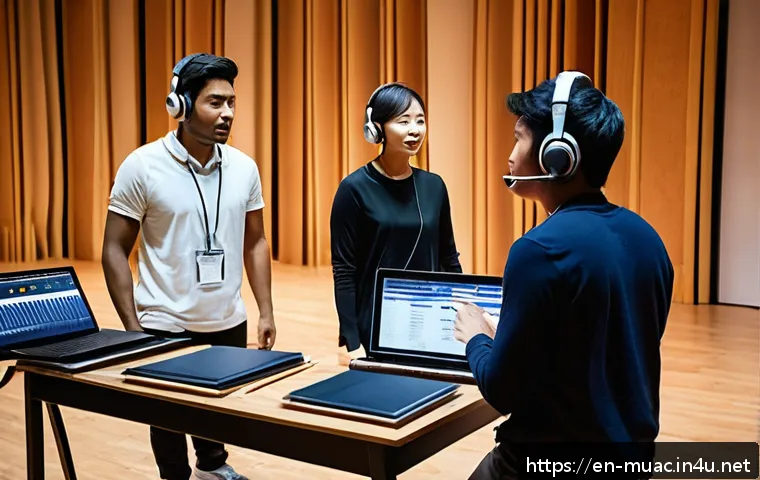
Technology has transformed how musical actors prepare and perform. Virtual rehearsals became essential during the pandemic, and many companies still use video tools for auditions and callbacks.
Personally, I found virtual rehearsals a mixed bag—it’s convenient but lacks the electric energy of live interaction, making it harder to fine-tune chemistry with fellow actors.
On stage, advancements in sound design and special effects create immersive experiences but also require actors to adapt their timing and spatial awareness to technical cues.
Social Media as a Platform for Personal Branding
Social media presence is increasingly important for actors, providing a way to connect with fans, promote shows, and build personal brands. I’ve seen performers who skillfully use Instagram or TikTok to showcase behind-the-scenes moments, vocal exercises, or character insights, enhancing audience engagement.
However, this also means maintaining a constant online presence, which can be draining and distracting from the craft itself. Balancing authenticity with professionalism online is an ongoing challenge.
Virtual Performances and Streaming Opportunities
Virtual performances opened new avenues, allowing actors to reach global audiences from their living rooms. While this expands visibility, it also changes the actor’s relationship with the audience—losing the immediacy and feedback of a live crowd.
Streaming shows can offer residual income, but the pay structure is often less favorable than traditional theater. Still, I’ve found that embracing these formats can diversify income streams and showcase versatility, which is crucial in today’s competitive landscape.
Physical and Mental Well-being in Demanding Environments
Managing Physical Health on and off Stage
Musical theater demands peak physical condition—strong vocal stamina, agility, and endurance. The grueling rehearsal schedules and nightly performances can lead to exhaustion or injury.
From personal experience, I’ve learned the importance of a solid warm-up routine, proper hydration, and rest. Different regions also have varying access to health professionals familiar with performers’ needs, which can impact recovery and ongoing wellness.
Mental Health Challenges and Coping Strategies
The emotional intensity of performing, combined with job insecurity and public scrutiny, takes a toll on mental health. Actors worldwide report anxiety, burnout, and imposter syndrome.
What’s encouraging is the growing openness around mental health in the theater community, with many theaters now offering counseling services or wellness programs.
I’ve benefited from peer support groups that provide a safe space to share struggles and advice, underscoring the importance of connection in this demanding profession.
Work-Life Balance and Personal Relationships
Maintaining relationships and personal life amid unpredictable schedules and travel is a persistent challenge. Actors in metropolitan hubs might face isolation despite living in bustling cities, while those touring internationally grapple with long periods away from loved ones.
I’ve found that clear communication and setting boundaries are essential, though not always easy. The unpredictability of the profession requires a certain level of flexibility and understanding from partners and family.
Comparative Overview of Key Factors Affecting Musical Actors
| Aspect | Broadway and Major Hubs | Regional and International Scenes |
|---|---|---|
| Production Scale | Large, high-budget, elaborate sets and effects | Smaller, budget-conscious, often minimalist design |
| Audience Interaction | Immediate, vocal, energetic responses | Varies; often more reserved or culturally distinct |
| Financial Stability | Higher salaries but high living costs and competition | Lower pay, sometimes inconsistent, but often lower living expenses |
| Training Opportunities | Abundant workshops, coaches, and industry connections | Limited access; reliance on online or travel-based training |
| Technological Integration | Advanced tech in rehearsals and performances; strong social media presence | Growing adoption, though varies by location and resources |
| Mental and Physical Health Support | Increasing awareness and institutional support | Often less formal support, reliance on community networks |
| Career Mobility | Strong agent networks and casting calls | More informal, networking-heavy; greater challenges in visibility |
Closing Thoughts
Adapting as a musical actor across different production scales and cultural contexts requires flexibility, resilience, and continuous learning. Each environment brings unique challenges and rewards that shape not only your craft but your overall career journey. Embracing these differences enriches your perspective and opens doors to diverse opportunities. Ultimately, the passion for storytelling remains the driving force behind every performance, no matter the stage or audience.
Helpful Insights
1. Understanding the scale and budget of a production helps set realistic expectations for preparation and performance style.
2. Being culturally aware and sensitive can significantly enhance audience connection and the authenticity of your role.
3. Building strong professional networks, especially in smaller markets, is key to discovering new opportunities and sustaining a career.
4. Leveraging technology and social media can boost visibility but requires balancing online presence with artistic focus.
5. Prioritizing physical and mental well-being is essential to maintain longevity and passion in the demanding world of musical theater.
Key Takeaways
Musical actors must navigate a wide spectrum of challenges depending on their production environment—from the grandeur and resources of major hubs to the intimacy and constraints of regional or international stages. Success hinges on adaptability, continuous skill development, cultural sensitivity, and proactive career management. Moreover, prioritizing health and well-being is crucial for sustaining performance quality and personal fulfillment throughout one’s career.
Frequently Asked Questions (FAQ) 📖
Q: How do challenges differ for musical actors performing on Broadway compared to those in emerging theater scenes abroad?
A: Musical actors on Broadway often face intense competition, high production standards, and the pressure to maintain consistent performances in long-running shows.
The infrastructure, budgets, and audience expectations are typically much larger, which can be both a blessing and a source of stress. In contrast, performers in emerging theater scenes abroad might grapple with limited resources, smaller audiences, and less exposure, but they often enjoy greater creative freedom and opportunities to shape new works.
Both environments demand resilience, yet the nature of challenges varies greatly depending on location.
Q: Why is understanding the location-based experiences of musical actors important for theater enthusiasts and aspiring performers?
A: Understanding these diverse experiences helps theater lovers appreciate the nuances behind every performance, recognizing the effort and context unique to each production.
For aspiring actors, it offers valuable insight into what to expect depending on where they choose to build their careers—whether aiming for the commercial intensity of Broadway or the innovative spirit of emerging markets.
This awareness fosters empathy and a deeper connection to the art form, while guiding career decisions and personal growth within the industry.
Q: How does the demand for diverse and authentic storytelling impact musical actors worldwide?
A: The global push for diverse and authentic storytelling challenges musical actors to broaden their skills and cultural understanding. Performers are often required to adapt to roles that reflect a wider range of experiences, backgrounds, and narratives, which can be both rewarding and demanding.
This trend encourages inclusivity but also means actors must constantly evolve to meet changing audience expectations. From my own experience, embracing these new stories enriches the craft, though it sometimes requires stepping outside comfort zones and confronting unfamiliar themes.