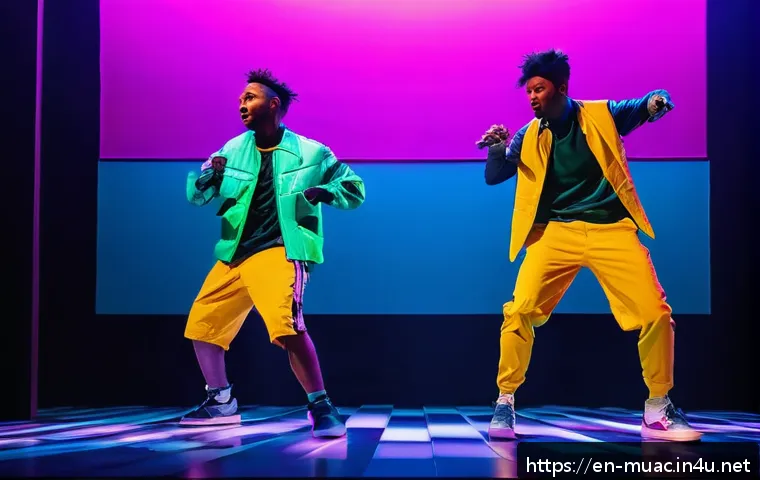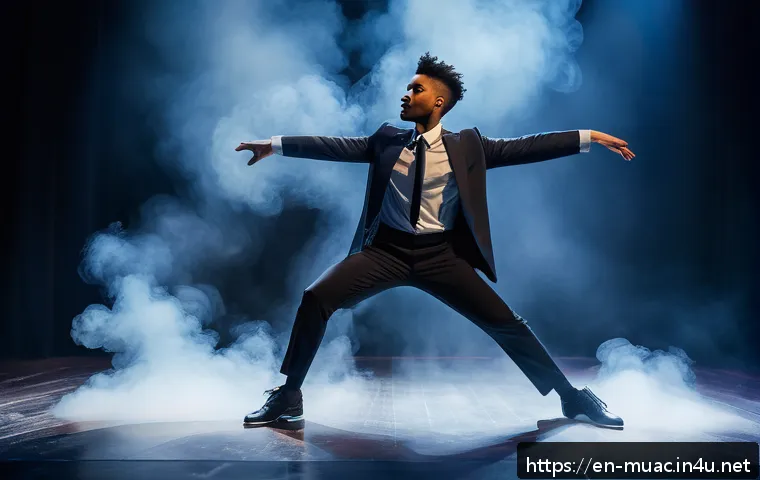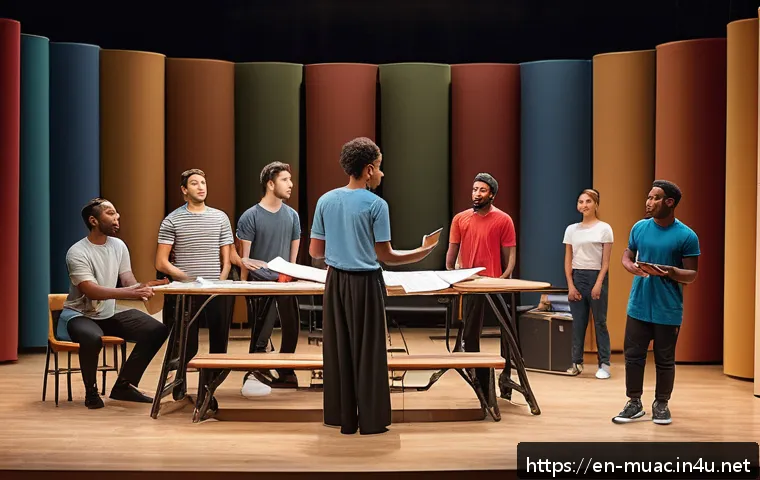
In today’s rapidly evolving entertainment landscape, understanding copyright isn’t just helpful—it’s essential for every musical actor aiming to safeguard their creative work and career.
With digital platforms reshaping how performances are shared and monetized, knowing your rights can prevent costly legal pitfalls and empower you to take control of your craft.
Whether you’re stepping onto Broadway or filming a web series, mastering these copyright fundamentals ensures your artistry is protected and respected.
Let’s dive into the crucial insights every performer needs to stay ahead in this competitive industry.
Understanding Your Performance Rights in a Digital Age
What Exactly Are Performance Rights?
Performance rights refer to the legal permissions required to perform a copyrighted work publicly. For musical actors, this means you cannot simply perform a song or a script without proper authorization, even if it’s just for a small audience or a recording.
These rights are often controlled by rights holders such as composers, lyricists, and publishers. Knowing how to navigate these permissions prevents you from unintentionally infringing on someone else’s intellectual property, which could lead to legal trouble and financial penalties.
From my own experience working on indie productions, securing these rights early on saved the entire project from costly delays.
How Streaming and Social Media Impact Your Rights
The rise of platforms like YouTube, TikTok, and Instagram has made sharing performances easier than ever, but it’s a double-edged sword. When you post a clip of your musical performance online, you’re essentially broadcasting copyrighted material to a global audience.
This can trigger automatic content ID claims or takedowns if you haven’t cleared the rights properly. I once posted a short scene from a musical rehearsal on Instagram, and it got flagged for copyright, which was frustrating but educational.
Understanding how digital rights management works can help you avoid these pitfalls and even monetize your content legally.
Licensing Basics Every Performer Should Know
Licensing is the process of obtaining permission to use copyrighted material. For performers, there are a few key types to understand: mechanical licenses (for recording songs), synchronization licenses (for pairing music with video), and performance licenses (for live or recorded public performances).
Each license serves a different purpose and comes from different entities. Getting these licenses right not only keeps you legally safe but also builds professional credibility.
I recommend working with a rights clearance expert or using reputable licensing agencies to ensure your bases are covered.
Navigating Copyright Ownership When Collaborating
Who Owns What in a Musical Production?
In a collaborative musical project, copyright ownership can get complicated fast. Songwriters usually own the composition rights, while performers own rights to their recorded performances under certain conditions.
If you’re involved in creating original material, it’s crucial to establish clear agreements about who owns what. Without this, disputes can arise that might stall your career or block revenue streams.
From personal collaborations, I’ve learned that putting everything in writing upfront—no matter how casual the project—helps avoid misunderstandings later.
Splitting Royalties and Credits Fairly
Royalties are the money earned from the use of copyrighted works, and deciding how to split them can be a tricky conversation. Whether it’s from streaming income, live performances, or merchandise, everyone involved deserves a fair share based on their contribution.
I’ve seen cases where unequal splits led to bitter disputes, so transparency and honesty during negotiations are key. Using written contracts with clearly defined percentages can protect all parties and maintain good working relationships.
The Importance of Written Agreements
Verbal agreements might feel sufficient in the moment, but they don’t hold up legally if conflicts arise. Having a written contract that details rights, responsibilities, and revenue splits is essential.
This documentation becomes your best defense if disagreements occur. I always insist on drafting agreements before starting rehearsals or recordings—it saves headaches down the road and ensures everyone’s expectations are aligned.
Protecting Your Own Creative Contributions
Registering Your Work for Maximum Protection
If you’re writing your own songs, scripts, or choreography, registering your work with the appropriate copyright office is a crucial step. While copyright protection exists automatically upon creation, registration provides legal proof and opens the door for statutory damages if infringement occurs.
From my experience, the peace of mind that comes from registration is worth the small investment of time and money. It also adds a professional layer of credibility when pitching your work to producers or agents.
Using Watermarks and Digital Signatures
For digital content, embedding watermarks or digital signatures helps track and prove ownership. This can deter unauthorized use and make it easier to pursue claims if someone uses your material without permission.
I’ve started using subtle watermarks on rehearsal videos and demo recordings shared online, which has saved me from potential content theft and helped maintain control over my creative assets.
When to Consult an Intellectual Property Lawyer
Copyright law can get complex, especially when disputes or licensing negotiations arise. Consulting an IP lawyer early can clarify your rights and responsibilities, and help draft or review contracts.
I found that legal advice early in my career prevented many costly mistakes and empowered me to negotiate better deals. Even if you’re not in a legal jam, a consultation can be a valuable investment in your career security.
Understanding Fair Use and Its Limits for Performers
What Counts as Fair Use in Performance?
Fair use is a legal doctrine that allows limited use of copyrighted material without permission for purposes like criticism, commentary, or education.
However, for musical actors, fair use is narrow and rarely covers full performances or reproductions of entire songs or scenes. It’s tempting to think a short clip or parody is automatically safe, but the reality is more nuanced.
I learned firsthand that relying on fair use can backfire if not carefully evaluated, especially when monetizing content.
Examples of Safe Fair Use Practices
Using short excerpts for review, teaching, or parody with proper attribution can fall under fair use. For example, a behind-the-scenes commentary video explaining a musical number might qualify, but posting the full number likely won’t.
Understanding these distinctions helps you creatively navigate content sharing while respecting copyright. When in doubt, I recommend seeking permission or licensing to avoid risks.
Why Fair Use Isn’t a Free Pass
Many performers mistakenly believe fair use gives them carte blanche to use any material, but courts look at several factors, including how much of the work is used and the market impact.
Overstepping fair use can lead to takedowns, lawsuits, and loss of income. From my experience, it’s safer to assume you need permission unless you have a clear fair use justification backed by legal advice.
Monetizing Your Performances Without Legal Headaches
Licensing Your Own Performances
If you record your musical performances, you can license those recordings to streaming services, educational platforms, or commercial projects. Owning the rights to your performances allows you to generate income and control how your work is used.
I started licensing some of my recorded shows for online distribution, which opened up a steady side revenue stream and expanded my audience reach.
Using Platforms That Handle Rights Management

Some digital platforms simplify copyright management by handling licensing and royalties on your behalf. Services like SoundExchange or certain music distributors can help you get paid without deep legal knowledge.
I found these platforms especially useful when releasing original songs, as they took care of complicated royalty tracking and payments.
Creating Multiple Revenue Streams from Your Work
Beyond performance fees, consider additional income sources like merchandise, workshops, or exclusive content subscriptions. By diversifying, you reduce reliance on any single revenue type and enhance your financial stability.
Using copyright knowledge, you can license your materials for these purposes without losing control. I’ve personally developed workshops based on my musical repertoire, which not only earned money but also deepened my connection with fans and students.
Key Copyright Terms Every Actor Should Keep Handy
Common Terms Explained
Understanding copyright jargon makes navigating the industry easier. Terms like “public domain,” “derivative work,” “sync license,” and “mechanical license” come up often and knowing them helps you communicate confidently with agents and lawyers.
For instance, knowing that “public domain” means works free to use can guide your choices when selecting material for performances.
How to Identify Who to Contact for Permissions
Determining the right rights holder can be confusing, especially for popular works with multiple contributors. Performance rights organizations (PROs) like ASCAP, BMI, and SESAC are good starting points.
I’ve often used their databases to find contact info quickly, which streamlined the permission process and kept productions on track.
Resources for Ongoing Learning
Copyright law evolves, especially with new technologies. Staying updated through workshops, online courses, and industry newsletters is essential. I subscribe to a few performer-focused legal blogs and attend webinars that keep me informed on the latest changes and best practices.
| Copyright Concept | What It Means | Why It Matters for Performers |
|---|---|---|
| Performance Rights | Permission to publicly perform a copyrighted work | Ensures legal clearance to perform songs or scripts, avoiding infringement |
| Licensing | Formal permission obtained to use copyrighted material | Protects you legally and allows monetization of your performances |
| Fair Use | Limited use of copyrighted work without permission under specific conditions | Allows certain creative uses but is narrowly defined and risky without guidance |
| Copyright Registration | Official recording of your work with copyright office | Provides legal proof and access to statutory damages in disputes |
| Royalties | Payments to rights holders when their works are used | Ensures fair compensation and motivates ongoing creativity |
| Public Domain | Works free from copyright protection | Safe to use without permissions, useful for creative freedom |
How to Handle Infringement Issues if They Arise
Recognizing When Your Rights Have Been Violated
It’s not always obvious when someone is infringing on your copyrighted material. Unauthorized use can show up as unapproved recordings, online reposts, or derivative works.
I once discovered a clip from my original performance used in a commercial without my consent, which was upsetting but gave me a chance to assert my rights.
Being vigilant and regularly monitoring your work online is crucial.
Steps to Take When Infringement Occurs
Start by documenting the infringement thoroughly with screenshots, URLs, and dates. Then, send a formal cease-and-desist letter or takedown notice through the platform hosting the content.
If that doesn’t work, consulting a lawyer to explore further legal action is wise. I’ve found that polite but firm communication often resolves issues quickly without escalating to court.
Preventative Measures to Avoid Infringement
Proactively watermarking your content, registering your copyrights, and using contracts with collaborators reduce the risk of infringement. Also, educating yourself on copyright basics helps you spot potential risks early.
I make it a habit to register every original song and script immediately after creation, which has helped me maintain control over my work and avoid conflicts.
Building a Reputation as a Respectful and Informed Artist
The Professional Advantage of Copyright Awareness
Being knowledgeable about copyright makes you stand out as a serious professional who respects others’ work and protects your own. Producers, directors, and collaborators appreciate artists who understand these legalities because it smooths the production process.
In my career, this reputation has opened doors to better projects and partnerships.
Teaching and Sharing Knowledge with Peers
Sharing your copyright insights with fellow performers fosters a community of informed artists. I’ve organized informal workshops that help others avoid common pitfalls, which also strengthens my network and reputation.
This kind of leadership is invaluable in the competitive entertainment field.
Continuously Updating Your Knowledge
The entertainment world changes fast, and staying current on copyright developments keeps you ahead. Regularly revisiting your knowledge and adapting your practices shows your commitment to professionalism.
It’s a journey I’m still on, and every new project teaches me something new about protecting creative work in today’s digital environment.
In Conclusion
Understanding performance rights in today’s digital landscape is essential for every performer. Navigating licensing, copyright ownership, and fair use not only protects your creative work but also opens doors for monetization and collaboration. By staying informed and proactive, you ensure your artistic journey is both legally safe and professionally rewarding.
Helpful Information to Keep in Mind
1. Always secure proper licenses before performing or sharing copyrighted material to avoid legal issues.
2. Register your original works to strengthen your legal protection and credibility in the industry.
3. Use digital tools like watermarks to safeguard your online content from unauthorized use.
4. Keep written agreements with collaborators to clarify rights and revenue shares from the start.
5. Stay updated on copyright laws and industry practices through workshops and trusted resources.
Key Takeaways
Respecting and understanding copyright is crucial for performers to maintain control over their work and income. Proper licensing, clear contracts, and timely registration prevent disputes and foster professional relationships. Digital platforms offer opportunities but require careful rights management. Being informed empowers you to protect your creativity while expanding your audience and revenue streams effectively.
Frequently Asked Questions (FAQ) 📖
Q: uestionsQ1: What types of copyright protections are most relevant for musical actors?
A: As a musical actor, the key copyright protections involve your performance rights and any original content you create, such as choreography or script adaptations.
While you don’t own the music or script unless you wrote it, your recorded performances are protected under performance copyrights. This means unauthorized use of your recorded acting or singing can be legally challenged.
Understanding these layers helps you secure proper licensing deals and avoid infringement, especially when your work is shared on streaming platforms or social media.
Q: How can I ensure my performances are properly credited and compensated on digital platforms?
A: It’s crucial to have clear contracts that specify your rights to royalties, credits, and usage terms before your performance is distributed online. Many digital platforms use automated systems to track content, but these aren’t foolproof.
Registering your performances with relevant rights organizations and keeping detailed records can help enforce your claims. Also, negotiating clauses that address digital distribution upfront ensures you receive fair compensation when your work is streamed, downloaded, or reposted.
Q: What steps should I take if someone uses my performance without permission?
A: If you discover unauthorized use of your performance, the first step is to document the infringement thoroughly—screenshots, URLs, dates, and any correspondence.
Then, contact the infringing party requesting removal or compensation. If this fails, you can file a Digital Millennium Copyright Act (DMCA) takedown notice with the platform hosting the content.
For serious cases, consulting an entertainment lawyer who understands performer rights can help you navigate legal actions and protect your career moving forward.