
With the theater world buzzing with fresh productions and timeless classics making triumphant returns, now is the perfect moment to dive into the magic of live performances.
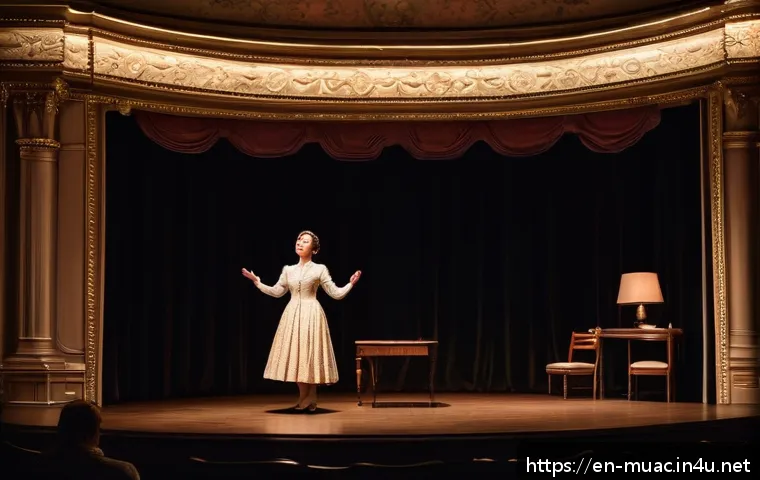
As someone who’s spent years treading the boards, I’ve gathered firsthand insights into the shows that truly captivate audiences and inspire performers alike.
Whether you’re a seasoned theatergoer or just starting to explore musicals, these recommendations come straight from the hearts of professional actors.
Join me as we uncover the must-see performances that promise unforgettable stories, breathtaking music, and moments that linger long after the curtain falls.
Trust me, these picks will spark your passion for theater like never before.
Discovering the Heartbeat of Modern Musicals
Why Contemporary Shows Resonate Deeply
Modern musicals often strike a chord because they reflect the complexities and nuances of today’s world. Having performed in several contemporary pieces myself, I’ve noticed how these shows dive into real issues—identity, social justice, and mental health—with honesty and vulnerability.
The storytelling feels immediate and relevant, drawing audiences not just into the plot but into their own reflections. The music, too, often blends genres, from pop to hip-hop, creating a fresh soundscape that breaks traditional molds and keeps listeners hooked.
This blend of raw emotion and innovative sound makes contemporary musicals a powerful experience.
Standout Productions Defining the Present Era
From my time on stage and in rehearsals, I can say that shows like “Hadestown” and “Dear Evan Hansen” are redefining what it means to connect with an audience.
These productions balance heartfelt narratives with electrifying performances. “Hadestown” weaves mythology with jazz and folk influences, creating a hauntingly beautiful atmosphere that lingers long after the final note.
Meanwhile, “Dear Evan Hansen” captures the fragility of human connection in the digital age, with songs that feel both intimate and anthemic. Experiencing these shows live, I’ve seen how audiences are drawn into a shared emotional journey, making each performance unique and deeply personal.
The Role of Innovation in Storytelling and Stagecraft
What truly elevates modern musicals is their inventive use of stage technology and design. I’ve been lucky to witness firsthand how lighting, projection, and soundscapes work in tandem to immerse the audience.
Innovative sets that transform seamlessly and interactive elements create a dynamic environment where the story unfolds not just through dialogue and music but through a sensory experience.
This pushes performers to bring an even higher level of energy and connection, knowing that the visual storytelling amplifies their work. For theater lovers, this means attending a show is like stepping into a living, breathing world crafted with meticulous care.
Timeless Classics That Never Lose Their Spark
Why Classic Musicals Continue to Captivate
There’s something magical about stepping into a theater and hearing the familiar melodies of shows like “Les Misérables” or “The Phantom of the Opera.” From my years performing in classics, I’ve found that these musicals carry an emotional weight and grandeur that stand the test of time.
The stories are universal—love, sacrifice, hope—yet their execution remains fresh because every actor brings their own interpretation. For the audience, it’s a comforting yet thrilling experience, as the music and narrative evoke nostalgia while still delivering powerful moments of surprise and awe.
My Personal Experiences with Legendary Roles
Playing roles in classic musicals has been a journey of discovery. For example, stepping into the shoes of characters like Christine or Éponine demands a deep emotional commitment and technical precision.
I recall one particular performance where the energy in the room was electric—the audience’s reactions fed directly into my delivery, creating a feedback loop of shared passion.
These roles challenge performers to honor tradition while injecting their own voice, which keeps the classics alive and relevant. It’s a rare privilege to be part of a lineage that has shaped theater history.
How Classics Inspire New Generations
Watching younger audiences fall in love with classic musicals is inspiring. I’ve seen first-timers moved to tears by “West Side Story” or “Chicago,” proving that these stories still resonate despite changing times.
Many of my fellow actors use classics as training grounds because they demand rigorous vocal and acting skills. This foundation helps nurture the next generation of performers and theater enthusiasts.
It’s not just about preserving history; it’s about continually breathing life into these timeless works, ensuring their magic endures in every era.
The Allure of Intimate Theater Experiences
Why Smaller Venues Create Bigger Connections
Performing in intimate theaters has given me a front-row seat to the power of closeness between actor and audience. Unlike grand stages, smaller venues allow for subtle expressions and nuances to shine, creating a more personal and immersive experience.
I’ve noticed that when you’re just a few feet away from the audience, every glance, every breath, carries weight. This proximity builds a unique trust and vulnerability that can turn an evening into something truly memorable.
For theater lovers, it’s a chance to witness the raw, unfiltered emotions of live performance.
Shows That Thrive in Cozy Settings
Certain musicals seem tailor-made for intimate spaces. Productions like “Once” and “The Last Five Years” use minimalistic staging and focus heavily on character-driven narratives.
I’ve performed in both, and the stripped-back environment forces you to rely on emotional honesty and vocal strength. The audience becomes a part of the story, often reacting audibly to moments of humor, heartbreak, or joy.
This shared space blurs the line between performer and spectator, making every show feel like a one-of-a-kind event.
The Unique Challenges and Rewards for Performers
While intimate theaters offer closeness, they also demand precision. In my experience, there’s little room to hide mistakes; every note and line is exposed.
This pressure pushes actors to elevate their craft, resulting in performances that are intensely focused and authentic. However, the immediate feedback from the audience—whether a smile, a gasp, or a tear—can be incredibly rewarding and energizing.
It’s a constant reminder of why I fell in love with theater: the human connection that happens in real time, in a shared space.
Exploring the Fusion of Music Genres in Theater
How Diverse Sounds Enrich Musical Storytelling
The blending of different music styles in musicals has been one of the most exciting trends I’ve witnessed. From jazz-infused scores to hip-hop rhythms, this fusion expands the emotional palette of a show.
I remember rehearsing for a production that combined classical orchestration with modern beats, and the contrast created a dynamic energy that lifted every scene.
This musical diversity mirrors our multicultural world and allows shows to reach wider audiences. It also challenges performers to adapt vocally and stylistically, keeping the craft fresh and vibrant.
Examples of Genre-Bending Productions
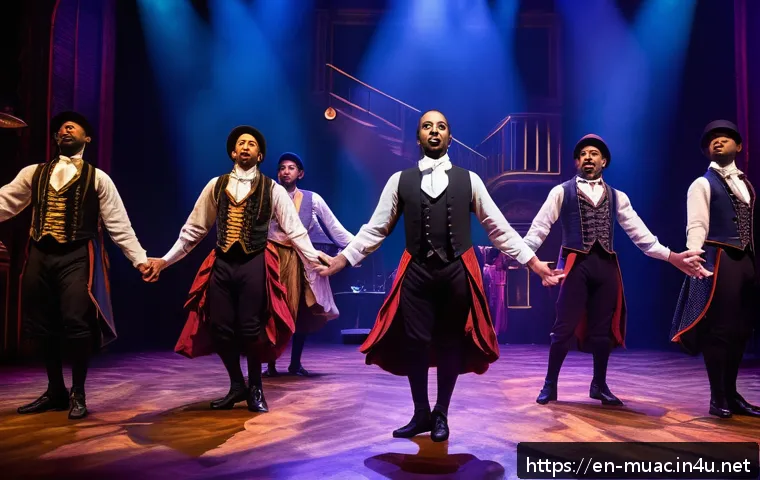
Shows like “Hamilton” and “Moulin Rouge!” stand out as prime examples of this trend. “Hamilton” revolutionized musical theater by incorporating rap and R&B, making history feel immediate and relevant.
Performing in a similar style requires stamina and rhythm, which is a thrilling challenge. Meanwhile, “Moulin Rouge!” dazzles with a mash-up of pop hits and theatrical flair, creating a sensory feast.
These productions don’t just entertain—they invite audiences to experience familiar stories through new, exhilarating lenses.
The Impact on Audience Engagement
From my vantage point, when a musical surprises with unexpected musical styles, the audience often responds with heightened enthusiasm. The energy in the room spikes as people recognize a catchy tune or a clever lyrical twist.
This engagement is a win-win: audiences leave energized and performers feel the rush of connecting across genres. It’s proof that theater, at its best, is a living art form—constantly evolving and inviting everyone to join the celebration.
Understanding the Power of Story-Driven Performances
Why Narrative Depth Matters Most
In all the shows I’ve been part of, the ones that linger longest in my memory are those with compelling stories. A strong narrative anchors the music and choreography, giving every moment purpose.
When I perform, knowing the “why” behind each scene helps me dig deeper emotionally and connect authentically with the audience. Story-driven performances create empathy, allowing viewers to see the world through different eyes.
This emotional investment is what transforms a good show into an unforgettable experience.
Techniques for Bringing Stories to Life on Stage
Acting in musicals requires balancing vocal prowess with storytelling. I often focus on character motivation and relationships to inform my delivery. Subtle gestures, timing, and facial expressions all contribute to the narrative fabric.
Directors and cast members work closely to ensure that every song and scene pushes the story forward. From my experience, rehearsing with this mindset makes performances more cohesive and impactful.
It’s like weaving a tapestry where every thread matters.
The Lasting Effect on Audiences
When audiences connect with the story, they carry its message beyond the theater walls. I’ve had people approach me after shows, sharing how a particular scene or song resonated with their own lives.
These moments remind me why storytelling is the heart of theater—it fosters understanding, healing, and joy. For anyone looking to deepen their appreciation of musicals, focusing on the narrative layers adds richness and meaning that music alone can’t always convey.
Key Elements That Define a Must-See Musical
Combining Talent, Music, and Vision
From my professional perspective, a must-see musical blends exceptional talent, memorable music, and visionary direction. The cast’s chemistry can transform a script into a living, breathing world.
I’ve witnessed how a powerful ensemble elevates even a simple story, making it resonate universally. Meanwhile, a memorable score is the heartbeat of the show, with songs that stick in your mind long after you leave.
Visionary directors and creative teams push boundaries, ensuring the production feels fresh and exciting every night.
Essential Qualities That Attract Diverse Audiences
Successful musicals often feature relatable characters, compelling conflicts, and a balance of humor and drama. I’ve noticed that shows with inclusive casting and themes tend to draw wider crowds, fostering a sense of belonging.
Accessibility—whether through engaging storylines or innovative staging—helps break down barriers for first-time theatergoers. As a performer, I cherish being part of productions that welcome everyone, making the magic of live theater available to all.
Summary Table of Must-See Musical Characteristics
| Element | Description | Why It Matters |
|---|---|---|
| Talent | Strong vocalists and actors who bring characters to life | Creates believable and emotionally engaging performances |
| Music | Memorable, genre-blending scores that enhance storytelling | Captures audience attention and evokes emotions |
| Direction | Innovative staging and vision that refresh familiar themes | Keeps the production dynamic and visually captivating |
| Inclusivity | Diverse casting and relatable themes | Broadens audience appeal and fosters connection |
| Story | Compelling narrative with emotional depth | Engages viewers and leaves lasting impact |
Closing Thoughts
Modern musicals continue to captivate audiences by blending heartfelt storytelling with innovative music and stagecraft. Whether through timeless classics or fresh, genre-bending productions, these shows offer powerful emotional journeys that resonate deeply. Experiencing live theater—whether in grand venues or intimate spaces—reminds us of the unique connection between performers and audiences. Ultimately, musicals thrive by evolving while honoring their rich traditions.
Helpful Information to Keep in Mind
1. Contemporary musicals often address relevant social themes, making their stories more relatable to today’s audiences.
2. Classics remain popular because of their universal themes and the opportunity for actors to bring new interpretations.
3. Intimate theaters provide a unique atmosphere that fosters closer emotional connections between performers and viewers.
4. The fusion of diverse music genres in musicals keeps the art form fresh and attracts a wider range of audiences.
5. A strong narrative combined with talented performers and visionary direction is key to a memorable musical experience.
Essential Takeaways
Successful musicals balance emotional storytelling with innovative music and staging, creating immersive experiences for audiences. Both new and classic productions rely on strong performances and inclusive themes to engage diverse viewers. Intimate venues highlight the power of human connection, while genre-blending scores expand the expressive possibilities of theater. At their core, musicals thrive when every element—from story to direction—works harmoniously to leave a lasting impact.
Frequently Asked Questions (FAQ) 📖
Q: What makes a live theater performance truly unforgettable?
A: From my years on stage, it’s the combination of a compelling story, authentic emotions, and a powerful connection between actors and audience that makes a performance unforgettable.
When the music, lighting, and acting all align perfectly, you feel completely immersed—like you’re living the story alongside the characters. It’s those moments of raw emotion and unexpected energy that stay with you long after the show ends.
Q: How can someone new to musicals choose the right show to start with?
A: If you’re just beginning your journey into musicals, I recommend starting with shows that have universal themes and catchy music—think classics like “The Sound of Music” or “West Side Story.” These productions are not only entertaining but also easy to follow, making them perfect introductions.
Also, check out local theaters’ current lineups and look for reviews or ask friends who love theater for their favorites. Trust me, once you find a show that resonates, your passion will ignite naturally.
Q: Are there any insider tips for getting the best theater experience?
A: Absolutely! Arrive early to soak in the atmosphere and maybe catch a pre-show talk or live music. Dress comfortably but smartly—it helps you feel part of the occasion.
Don’t be shy to engage with the story; laughter, gasps, and applause add to the magic. And if possible, try different seating spots—balcony, orchestra, or mezzanine—to discover which view you prefer.
Personally, I’ve found that sitting closer to the stage makes you feel the actors’ energy more intensely, which can be truly electrifying.