Hey there, fellow performers! If you’ve ever felt your heart race before stepping on stage, you’re definitely not alone. With live theater making a strong comeback and audiences craving authentic performances, mastering stage fright has never been more important.
In this post, I’ll share tried-and-true techniques that seasoned musical actors rely on to stay calm and confident under the spotlight. Whether you’re a beginner or a seasoned pro, these insights can transform your stage presence and help you shine.
Let’s dive into the art of conquering those nerves and owning every performance!
Understanding Your Nerves: Why Stage Fright Happens
Physiological Responses to Anxiety
When you step into the spotlight, your body can react in surprising ways—racing heart, sweaty palms, shaky hands. This is your sympathetic nervous system kicking into gear, preparing you for a perceived challenge.
I remember my first big audition where my throat felt dry and my legs weak. Knowing that these physical reactions are natural helped me stop fighting them and instead channel that energy.
Accepting your body’s responses as part of the process is the first step toward mastering your nerves.
Mindset Shifts That Reduce Fear
A lot of performers fall into the trap of negative self-talk—“What if I mess up?” or “Everyone’s watching me.” Shifting your mindset from fear to excitement can make a huge difference.
I started telling myself, “This is my moment to connect,” rather than worrying about judgment. Visualizing success rather than failure rewires your brain to focus on positive outcomes.
It’s not about ignoring fear but transforming it into a driving force.
The Role of Preparation in Building Confidence
Nothing beats solid preparation. When I’ve rehearsed thoroughly, it’s like having a safety net underneath me. Knowing your material inside and out reduces uncertainty and gives you a sense of control.
Preparation also includes mental rehearsals—picturing the performance, the audience’s reactions, and your own calm delivery. This mental groundwork can ease anxiety before even stepping on stage.
Breathing Techniques That Ground You
Deep Diaphragmatic Breathing Explained
One of the most effective tools I use is diaphragmatic breathing—breathing deeply into your belly rather than shallowly into your chest. It slows your heart rate and calms your nervous system.
Before going on stage, I take several slow, deep breaths, counting to four as I inhale and six as I exhale. This technique helps me regain focus and reduces the jittery feeling that often comes with stage fright.
Box Breathing for Instant Calm
Box breathing is a simple yet powerful method where you inhale, hold, exhale, and hold again, each for a count of four. It’s like pressing a reset button on your anxiety.
I find this technique especially useful during quick breaks or right before stepping into the wings. It’s subtle enough that no one notices, but powerful enough to steady your nerves instantly.
Incorporating Breathing into Your Warm-Up Routine
Integrating breathing exercises into your pre-show warm-up routine can make them second nature. I pair breath control with vocal warm-ups or light stretches to build a calm rhythm before performing.
It’s a small habit that yields big results—helping keep nerves manageable throughout the show.
Harnessing Physical Movement to Release Tension
Stretching and Light Exercise Before Going On
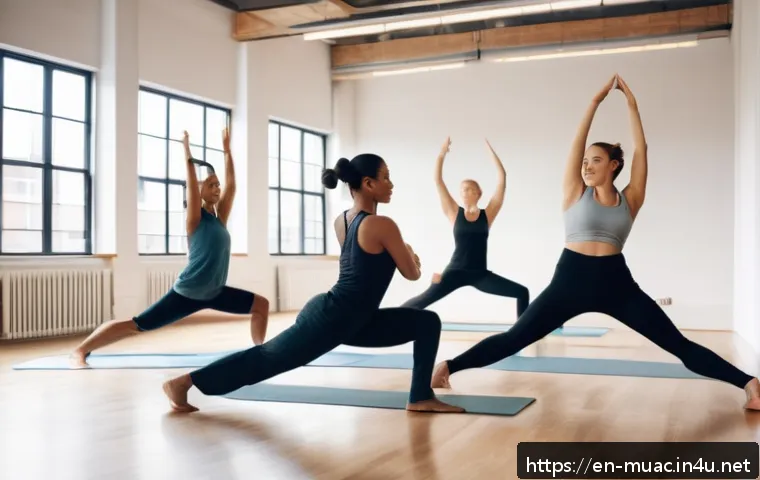
Tension often builds up in your muscles when you’re anxious. I’ve found that doing some gentle stretches or light cardio, like walking or jogging in place, can help release that energy.
When I’m backstage, I make sure to loosen my neck, shoulders, and legs to avoid stiffness that could distract me during the performance.
Using Grounding Techniques to Stay Present
Grounding involves focusing on physical sensations to stay connected to the here and now. Simple actions like feeling your feet firmly on the floor or pressing your fingertips together can pull you out of spiraling thoughts.
When I feel overwhelmed, grounding helps me regain composure and stay focused on the character I’m portraying instead of my nerves.
Expressive Movement as Emotional Release
Sometimes, channeling nervous energy into expressive movement—like shaking out your hands or doing a quick dance step—can be surprisingly effective. It’s a way to transform anxiety into vitality.
During rehearsals, I experiment with this and have noticed it helps me feel more alive and ready once I hit the stage.
Building a Support System That Boosts Confidence
Connecting with Fellow Performers
Having a circle of fellow actors to share experiences with makes a huge difference. I remember how comforting it was to talk to others who understood the jitters and could offer advice.
These connections create a sense of camaraderie and remind you that you’re not alone in feeling stage fright.
Seeking Feedback from Trusted Mentors
Getting constructive feedback from experienced mentors or coaches can build your confidence. When I received specific tips on how to manage my nervous energy or improve my delivery, it gave me actionable steps to work on.
This kind of guidance turns anxiety into focused growth rather than vague worry.
Encouragement from Friends and Family
Don’t underestimate the power of a pep talk from someone who believes in you. A simple “You’ve got this!” before going on stage can boost morale. I’ve learned to lean on my support network for emotional lift, especially during high-pressure performances.
Techniques for Mental Focus and Visualization
Creating a Pre-Performance Ritual
Developing a consistent pre-show ritual can anchor your mind and signal it’s time to perform. For me, this includes a few minutes of silent reflection, reviewing key lines, and visualizing the scene unfolding perfectly.
This routine quiets distracting thoughts and sharpens my focus.
Visualization for Success
I often close my eyes backstage and imagine the audience’s positive reactions—the laughter, applause, and connection. This mental rehearsal builds confidence and reduces fear of failure.
Visualization primes your brain to expect success, making the actual performance feel more familiar and less intimidating.
Mindfulness Practices to Stay Present
Mindfulness isn’t just a buzzword—it’s a practical way to keep anxiety in check. By focusing on your breath, bodily sensations, or the environment around you, you can prevent your mind from spiraling into “what if” scenarios.
Incorporating short mindfulness exercises before and during your performance helps maintain clarity and calm.
Nutrition and Lifestyle Habits That Support Performance
Eating for Sustained Energy

What you eat before a show impacts your energy and mood. I avoid heavy or greasy foods that can make me sluggish and instead opt for balanced meals with protein, complex carbs, and healthy fats.
A banana or a handful of nuts about an hour before going on keeps my blood sugar stable and my mind sharp.
Hydration and Vocal Health
Staying hydrated is essential, especially for singers and speakers. I always carry a bottle of water and sip regularly to keep my vocal cords lubricated.
Avoiding caffeine and alcohol right before performing helps prevent dryness and jitters.
Sleep and Rest as Performance Enhancers
I can’t stress enough how much a good night’s sleep affects stage presence. When I’m well-rested, my focus is sharper, and I’m less prone to anxiety. Prioritizing rest in the days leading up to a show is a game-changer for managing nerves.
Summary Table: Quick Reference for Managing Stage Fright
| Technique | Description | When to Use | Benefits |
|---|---|---|---|
| Deep Diaphragmatic Breathing | Slow, deep breaths into the belly | Before and during performance | Calms nervous system, reduces heart rate |
| Box Breathing | Inhale-hold-exhale-hold in 4-count cycles | Backstage or quick breaks | Instant stress relief and focus |
| Physical Stretching | Gentle muscle stretches and light movement | Pre-show warm-up | Releases tension, improves flexibility |
| Visualization | Mental rehearsal of successful performance | Before going on stage | Builds confidence and reduces fear |
| Mindfulness | Focus on present moment sensations | Throughout rehearsal and performance | Maintains mental clarity and calm |
| Balanced Nutrition | Healthy meals with protein and complex carbs | Hours before performance | Sustains energy and focus |
| Support Network | Engagement with peers, mentors, and loved ones | Continuous | Provides emotional encouragement and advice |
Incorporating Feedback for Continuous Improvement
Recording and Reviewing Performances
One strategy I swear by is recording rehearsals and live performances. Watching yourself objectively allows you to spot nervous habits you might not notice otherwise.
For example, I realized I tended to rush my lines when anxious. This insight gave me a specific area to work on, turning a weak spot into a strength over time.
Setting Realistic Goals for Growth
Rather than aiming for perfection every time, I focus on small, achievable goals. Maybe it’s maintaining eye contact for a full scene or controlling my breath during a challenging song.
Celebrating these milestones keeps motivation high and reduces pressure.
Embracing Mistakes as Learning Opportunities
No performer is immune to slip-ups. Early in my career, a forgotten line used to shake me completely. Now, I treat mistakes as part of the journey.
Accepting imperfection helps me stay relaxed and bounce back quickly, which actually makes my performances more authentic and engaging.
Using Technology to Enhance Stage Presence
Apps for Meditation and Breathing
There are some fantastic apps designed to guide you through breathing exercises and mindfulness. I’ve tried a few and found that having a quick guided session on my phone backstage is incredibly helpful.
It’s like having a coach in your pocket.
Virtual Reality for Simulated Performances
Some actors use VR technology to simulate stage environments and practice performing in front of virtual audiences. This immersive experience can desensitize you to the pressure of live crowds.
While I haven’t tried VR personally, I’ve heard from colleagues that it’s a great tool for building confidence.
Recording Tools for Self-Assessment
High-quality audio and video recordings on smartphones or tablets allow you to review your performances anytime. I often use these to spot areas for improvement and track progress over time.
This ongoing feedback loop is invaluable for refining stage presence and managing anxiety.
Creating a Personal Performance Mindset
Developing a Signature Confidence Routine
Having a personal routine that signals confidence can be empowering. For me, it’s a small fist pump and a smile just before the curtain rises. This tiny ritual reminds me that I belong on stage and am ready to give my best.
Affirmations to Boost Self-Belief
Positive affirmations like “I am prepared,” “I connect with my audience,” or “I enjoy every moment” have become part of my mental toolkit. Repeating these quietly backstage helps me override doubt and build a resilient mindset.
Embracing the Joy of Performing
Ultimately, I remind myself why I love theater—the thrill of storytelling, the connection with the audience, and the magic of live performance. When I focus on this joy instead of fear, my nerves soften and my presence shines.
It’s about owning the stage as your moment to share something special.
In Closing
Stage fright is a natural experience that many performers face, but it doesn’t have to hold you back. By understanding your body’s reactions, shifting your mindset, and practicing effective techniques, you can transform anxiety into confident energy. Remember, every performance is an opportunity to grow and connect with your audience. Embrace the process and enjoy the journey on stage.
Helpful Tips to Remember
1. Recognize that physical symptoms like a racing heart or sweaty palms are your body’s way of preparing you for performance, not signs of failure.
2. Use breathing techniques such as diaphragmatic or box breathing to quickly calm nerves before and during your time on stage.
3. Prepare thoroughly both mentally and physically to boost your confidence and reduce uncertainty.
4. Build a support system with fellow performers, mentors, and loved ones to share experiences and gain encouragement.
5. Maintain healthy lifestyle habits including balanced nutrition, hydration, and sufficient rest to enhance overall performance.
Key Takeaways for Managing Stage Fright
Understanding and accepting your nervousness is the foundation for overcoming stage fright. Combining mindset shifts with practical tools like breathing exercises, physical movement, and visualization helps maintain focus and calm. Preparation and a strong support network provide emotional security, while healthy lifestyle choices support your energy and vocal performance. Lastly, embracing mistakes as growth opportunities fosters resilience and authenticity in every performance.
Frequently Asked Questions (FAQ) 📖
Q: uestions about Overcoming Stage FrightQ1: What are some quick techniques to calm nerves right before going on stage?
A: One of the most effective quick fixes is focused breathing—take slow, deep breaths to slow your heart rate and clear your mind. I’ve found that a simple box breathing pattern (inhale for 4 seconds, hold for 4, exhale for 4, hold for 4) really helps reset anxiety in moments.
Also, grounding yourself by feeling your feet firmly on the floor or gently stretching your hands can shift your focus away from nervous thoughts. These little rituals create a mental anchor that keeps you centered just as the spotlight hits.
Q: How can beginners build confidence to perform in front of an audience?
A: Confidence comes from consistent practice and positive self-talk. When I first started, I made it a habit to rehearse in front of friends or even a mirror to simulate the audience experience.
Recording yourself and watching it back can also reveal strengths and areas to improve without judgment. Remember, every seasoned actor was once a beginner facing the same fears.
Embrace small victories—like completing a scene without freezing—and celebrate progress. Over time, these wins accumulate into genuine stage confidence.
Q: Is it normal to still feel nervous even after years of performing?
A: Absolutely! Even the most experienced performers get butterflies before stepping on stage. What changes is how you manage those nerves.
I’ve noticed that nervous energy can actually enhance a performance if channeled correctly, turning adrenaline into heightened focus and emotional connection.
The key is acceptance—rather than fighting the nerves, use them as fuel. This mindset shift transformed my approach, turning what felt like a hurdle into a powerful asset for every show.