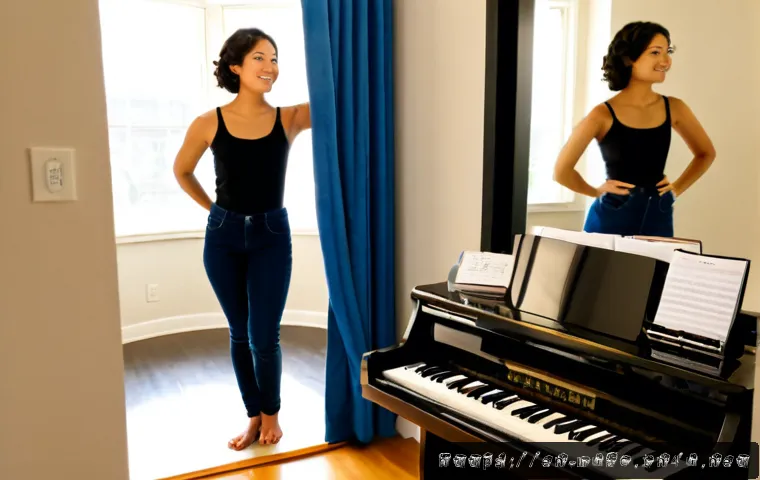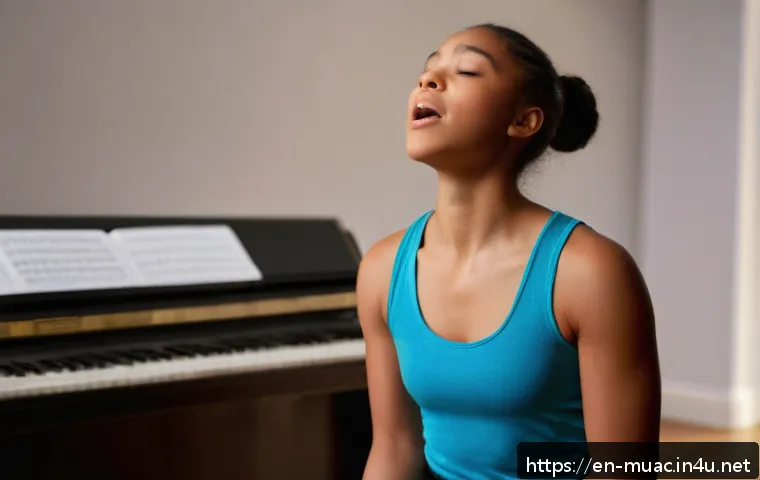
In today’s dynamic world of musical theatre, blending solid theoretical knowledge with hands-on practice has never been more crucial for standout performances.
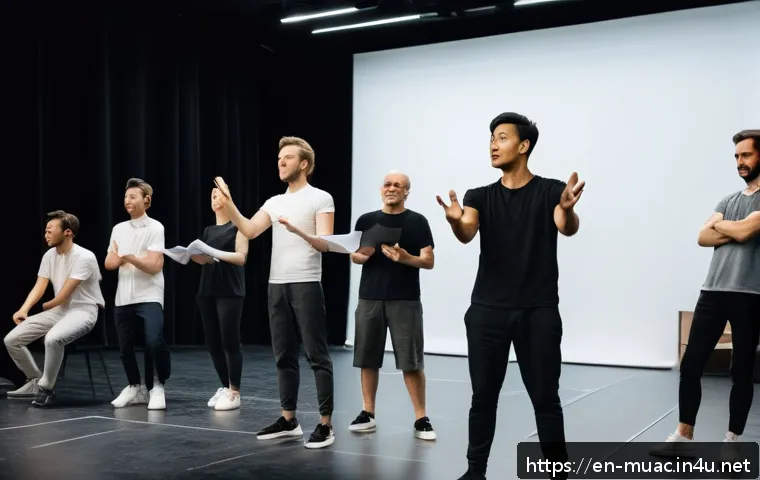
Whether you’re an aspiring actor or a seasoned performer, mastering this balance can unlock new depths of expression and stage presence. Recent trends show that audiences crave authenticity and emotional connection, making it essential to integrate both study and experience seamlessly.
I’ve seen firsthand how combining these elements transforms not only performances but also personal growth in the craft. Let’s dive into how you can elevate your musical theatre journey by merging theory and practice for truly breakthrough moments on stage.
Embracing Emotional Depth Through Character Study
Digging Beneath the Surface: Understanding Your Character’s Backstory
When I first started diving into musical theatre, the biggest game-changer was truly getting to know my character beyond the script. It’s tempting to just memorize lines and songs, but real magic happens when you explore the character’s past, motivations, and fears.
This kind of deep character analysis adds layers to your performance that audiences instinctively pick up on. For example, instead of just singing a love ballad, understanding why your character feels vulnerable or hopeful in that moment brings a sincerity that’s impossible to fake.
I’ve noticed that when I spend time creating a backstory, even small gestures or vocal inflections feel authentic and more emotionally charged.
Using Emotional Memory to Connect and Convey
One technique that’s helped me immensely is tapping into my own experiences to fuel the character’s emotions. It’s not about forcing tears or overacting but about recalling moments in your life that resonate with the character’s feelings.
If the character is heartbroken, thinking back to a personal loss, even in a subtle way, can add genuine weight to your delivery. This emotional memory grounds your performance in reality, making it relatable and powerful.
I’ve found that audiences respond best when they sense this honesty — it creates a bridge between performer and viewer that transforms the whole theatre experience.
Balancing Theory and Feeling: Avoiding Mechanical Acting
While it’s important to understand acting theories and techniques, relying solely on them can make your performance feel robotic. Theory lays the foundation, but it’s the emotional connection that breathes life into your role.
I’ve met performers who get stuck in “technical mode,” focusing too much on hitting marks or perfect pitch, which ironically distances them from the audience.
The trick is to use theory as a tool rather than a rulebook — apply concepts like Stanislavski’s method or Meisner’s repetition exercise, but always circle back to your personal emotional truth.
This balance helps your portrayal stay fresh and vibrant night after night.
Integrating Vocal Technique with Expressive Storytelling
Mastering Breath Control for Emotional Impact
Breath control isn’t just about singing the notes correctly; it’s a vital tool for expressing emotion. I used to think breath was purely technical until I realized how much it shapes the mood of a scene.
When you control your breath, you can mirror the character’s emotional state—shallow breaths for anxiety, deep steady breaths for calm resolve. Practicing diaphragmatic breathing has allowed me to sustain phrases longer and add subtle dynamics that keep the audience hooked.
Plus, controlled breathing helps reduce performance anxiety, making your expression more natural and confident.
Using Dynamics and Tone to Tell a Story
Vocal dynamics—variations in loudness, pitch, and tone—are the heartbeats of musical storytelling. I remember performing a song where the lyrics were joyful, but my character was masking sadness.
By softening my voice and adding a slight crack, I hinted at the underlying pain without saying a word. This contrast made the performance richer and more nuanced.
Playing with tone and volume keeps your audience engaged and highlights the emotional shifts within a song. It’s a skill that grows with both practice and careful listening to seasoned performers.
Practicing with Intent: Beyond Just Repetition
Repetition in rehearsals can sometimes feel tedious, but intentional practice changes everything. I always focus on what I want to achieve in each run-through—whether it’s experimenting with phrasing, testing emotional beats, or syncing movement with vocals.
This mindful approach transforms practice from a routine into a discovery process. For example, I once shifted a phrase’s emphasis after noticing a connection with the character’s realization in the script, which completely altered the audience’s reception.
Intentional practice bridges the gap between technical mastery and heartfelt storytelling.
Physicality and Movement as Extensions of Character
Discovering Your Character’s Physical Language
Movement is often overlooked in musical theatre training, but it’s crucial for embodying a role fully. I’ve learned that every character has a unique physicality—how they carry themselves, gesture, or even breathe—that tells their story just as much as words or song.
Observing people in real life or watching film versions of characters can spark ideas about posture or movement. For instance, a shy character might have closed-off body language, while a confident one uses open gestures.
Adopting these physical traits helped me feel more grounded in my role and conveyed a clear message to the audience.
Synchronizing Movement with Musical Expression
Integrating choreography or stage blocking with singing can be a real challenge, but it’s where practice and theory meet beautifully. Coordinating breath, voice, and movement requires stamina and focus.
Early on, I struggled with breath control while dancing, which affected my vocal quality. Over time, I developed routines that included breath exercises combined with movement drills, making transitions smoother.
I’ve found that when you sync your physicality with the music’s emotional flow, the whole performance feels more cohesive and alive.
Using Space to Enhance Narrative and Presence
Stage space is a powerful storytelling element that many performers underestimate. How you use the stage—whether you’re close to the audience, moving confidently across it, or retreating into a corner—can communicate shifts in your character’s mindset or emotional state.
I recall a show where subtle changes in my positioning dramatically altered the scene’s tension. Being mindful of spatial dynamics helped me engage the audience more deeply and create visual interest that complemented the musical and narrative arc.
Leveraging Feedback and Reflection for Continuous Growth
Seeking Constructive Criticism with an Open Mind
One of the most valuable lessons I’ve learned is how to receive feedback without defensiveness. Sometimes critiques can sting, but they’re gold mines for improvement.
I make it a point to ask trusted directors, coaches, or peers specific questions about what worked and what didn’t. This targeted feedback helps me refine technical skills and emotional delivery.

Over time, this openness has accelerated my growth far more than solo practice ever could.
Recording and Reviewing Performances for Self-Assessment
Recording rehearsals or live shows might feel intimidating, but it’s an indispensable tool. Watching myself perform revealed habits I wasn’t aware of—whether it was a tendency to rush certain lines or a posture that closed me off.
It’s uncomfortable at first, but this objective perspective is crucial for real progress. I usually take notes while watching, then work on small, manageable adjustments in subsequent rehearsals, which leads to steady improvement without overwhelming myself.
Balancing Self-Reflection with Confidence
While self-critique is important, it’s equally vital to celebrate your strengths and successes. I’ve found that maintaining confidence prevents burnout and keeps my passion alive.
After every performance, I make a list of what went well alongside areas to work on. This balance helps me stay motivated and reminds me that growth is a journey, not a destination.
It also encourages a positive mindset that audiences can feel, which enhances connection on stage.
Harnessing Collaboration to Enrich Performance
Building Chemistry with Fellow Cast Members
Musical theatre is a team effort, and the chemistry between cast members can make or break a show. I’ve noticed that investing time in getting to know my fellow actors offstage translates into more genuine interactions during performances.
Sharing rehearsal notes, practicing duets together, or simply chatting about character motivations builds trust and synchrony. This camaraderie creates a supportive environment where everyone feels safe to take risks and explore deeper emotional territory.
Working Closely with Directors and Coaches
Directors and coaches bring fresh perspectives that challenge and refine your performance. Early in my career, I sometimes resisted direction because I thought I knew best.
But embracing their insights opened doors to new interpretations and techniques I wouldn’t have discovered alone. Whether it’s adjusting a phrasing, exploring subtext, or experimenting with staging, their guidance is invaluable.
I always try to approach sessions with curiosity rather than judgment, which has led to some of my most memorable breakthroughs.
Incorporating Audience Feedback and Energy
Nothing compares to the live energy exchange between performer and audience. I’ve learned to tune into audience reactions as a barometer for what’s landing emotionally and what might need tweaking.
Sometimes a laugh comes earlier than expected or a silence lingers longer, signaling moments to either emphasize or soften. This dynamic feedback loop keeps performances fresh and responsive.
It’s also a reminder that theatre is alive, and the best shows evolve with every new audience.
Balancing Theoretical Study with Practical Application
Building a Strong Foundation with Formal Training
Studying acting techniques, music theory, and stagecraft provides the essential framework every performer needs. I’ve taken classes that break down vocal exercises, script analysis, and movement principles, which gave me a toolkit to draw from.
Without this foundation, it’s easy to feel lost or rely on guesswork during rehearsals. Theoretical knowledge clarifies why certain choices work and how to troubleshoot challenges, making your practice more efficient and intentional.
Translating Theory into Real-World Performance
The real test of theory is how it plays out on stage. I always try to apply what I learn immediately—whether it’s using a breathing technique during a challenging song or applying emotional recall in a scene.
Sometimes it doesn’t click right away, and that’s normal. Repetition and reflection help bridge the gap between classroom and performance. This back-and-forth process between study and doing is where lasting skills develop.
Creating Personal Practice Routines That Reflect Both Worlds
One strategy that’s worked wonders for me is designing practice sessions that blend theoretical drills with performance simulations. For example, I might spend 15 minutes on vocal scales, then jump into singing a song while acting out the character’s emotions.
This approach keeps practice engaging and mirrors actual performance demands. It also helps me identify which theoretical concepts need more focus or adjustment based on how they feel in action.
| Aspect | Theoretical Focus | Practical Application | Benefits |
|---|---|---|---|
| Character Development | Script analysis, backstory creation | Emotional memory, physical embodiment | Deeper authenticity and audience connection |
| Vocal Technique | Breath control exercises, music theory | Dynamic singing, vocal expression | Improved stamina and emotional delivery |
| Movement | Stage blocking principles, choreography basics | Physical language, spatial awareness | Enhanced storytelling and presence |
| Feedback | Critical analysis methods | Recording review, peer critiques | Continuous improvement and confidence building |
| Collaboration | Ensemble dynamics theory | Rehearsal chemistry, director coaching | Stronger performances and creative synergy |
In Closing
Embracing the full emotional and physical depth of a character transforms a performance from mere recitation to a vivid, memorable experience. By combining heartfelt storytelling with solid technique and collaborative effort, performers can create authentic connections that resonate with audiences. Continuous reflection and intentional practice are key to evolving as an artist. Ultimately, it’s the passion and honesty behind the craft that truly bring a role to life.
Helpful Tips to Remember
1. Always dig deeper into your character’s backstory to enrich your emotional connection and deliver a more genuine performance.
2. Use your own memories and experiences to ground your portrayal in real emotions without forcing or overacting.
3. Balance technical knowledge with heartfelt feeling to avoid mechanical performances and keep your role fresh.
4. Practice with clear intentions, focusing on specific aspects like phrasing or emotional beats rather than mindless repetition.
5. Embrace feedback openly and review your performances critically to foster continuous growth and confidence.
Key Takeaways
Understanding your character beyond the script is essential for authentic portrayal. Integrating vocal technique with expressive storytelling enhances emotional impact and audience engagement. Physicality and mindful movement extend the character’s presence and narrative on stage. Regular reflection, recording, and openness to feedback drive ongoing improvement. Collaboration with cast and crew strengthens chemistry and elevates the overall performance experience.
Frequently Asked Questions (FAQ) 📖
Q: How can I effectively balance theoretical knowledge and practical experience in musical theatre?
A: Striking a balance between theory and practice starts with understanding that each complements the other. Dive into script analysis, music theory, and character studies to build a strong foundation.
Then, apply these insights during rehearsals and performances to bring authenticity to your role. For instance, knowing the emotional subtext behind a song enriches your delivery on stage.
I’ve found that setting aside dedicated time for both study and hands-on work, like attending workshops or live shows, creates a synergy that elevates your overall performance.
Q: Why is authenticity so important to modern musical theatre audiences?
A: Audiences today are more perceptive and crave genuine emotional connection rather than just technical perfection. Authenticity makes your character relatable and memorable, helping viewers feel invested in your story.
When you combine theoretical understanding with real-life experiences or emotions, it shines through your performance. From my experience, moments where I allowed myself to be vulnerable on stage resonated deeply with audiences, creating powerful shared experiences that lingered long after the curtain fell.
Q: What practical steps can I take to integrate study and experience for better stage presence?
A: Start by analyzing your character and the musical’s context thoroughly, then experiment with embodying those traits in rehearsals. Record yourself to observe nuances and adjust accordingly.
Additionally, seek feedback from directors and peers to refine your approach. Engaging in activities like improvisation or movement classes can also enhance your expressiveness.
Personally, I noticed a significant boost in my stage presence after consciously linking theoretical insights with physical expression, making my performances feel both informed and alive.