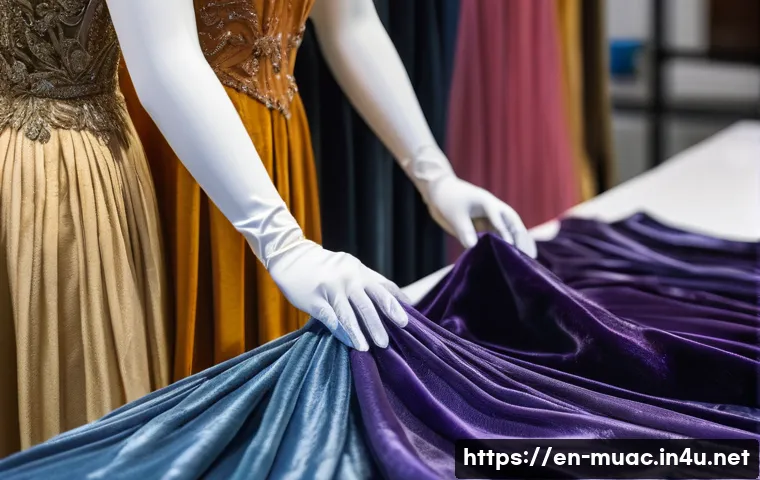
Performing on stage night after night means costumes endure a lot—from sweat and makeup to quick changes and constant movement. Proper care and cleaning of musical theater costumes aren’t just about keeping them looking fresh; it’s essential for preserving their vibrant colors, delicate fabrics, and intricate details.
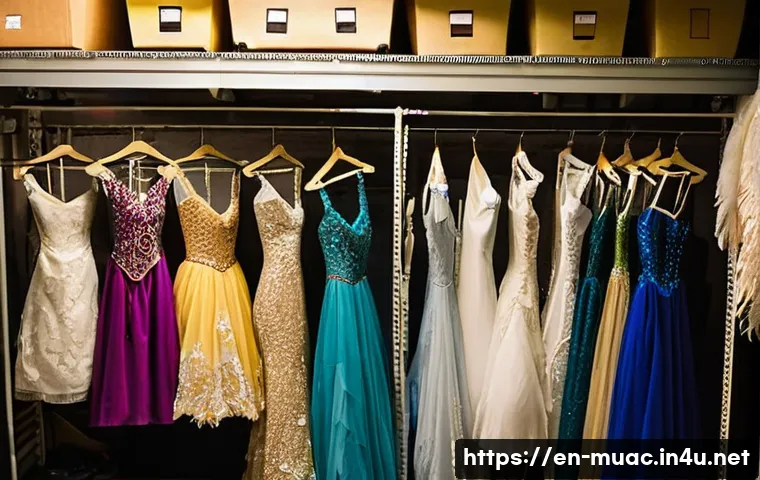
Many performers face the challenge of balancing quick turnaround times with gentle maintenance to avoid damage. Over time, I’ve learned that a thoughtful approach to costume care can make all the difference in longevity and appearance.
Curious about the best ways to handle these special garments? Let’s dive into the details and get it right together!
Choosing the Right Cleaning Method for Different Fabrics
Understanding Fabric Types and Their Vulnerabilities
When it comes to musical theater costumes, you quickly realize that not all fabrics behave the same way under stress. Silks, velvets, and sequined materials each have unique needs, and a one-size-fits-all cleaning approach can lead to irreversible damage.
For instance, silk is prone to water spots and color fading if washed improperly, while sequins can come loose or dull if scrubbed harshly. From my own experience, taking the time to identify the fabric type before cleaning is non-negotiable.
I remember once rushing to wash a velvet jacket in hot water, only to find it shrunk and lost its plush texture—that mistake taught me the value of gentle care.
Learning these nuances saves both money and heartache down the line.
Spot Cleaning vs. Full Wash: When to Choose What
Not every stain or sweat mark requires a full costume wash, which is crucial for preserving delicate pieces. Spot cleaning is often the better option for minor makeup stains or localized dirt.
I’ve found that using a gentle stain remover applied with a cotton swab or soft cloth works wonders, especially when done immediately after a show. However, when costumes are heavily soiled, a full wash is inevitable.
In those cases, I opt for hand washing or professional cleaning services that specialize in theatrical garments. This balance helps maintain the costume’s integrity without overexposing it to harsh chemicals or water.
Professional Cleaning: When to Pass the Baton
There’s a limit to what you can do at home, especially with complex costumes featuring embroidery, beading, or metallic threads. I’ve learned that trusting professional cleaners who understand the demands of stage garments is a game changer.
They use specialized solvents and techniques that protect the fabric and details while removing buildup that regular washing can’t handle. Plus, many offer quick turnaround options that fit tight rehearsal and performance schedules.
Investing in professional care may seem costly at first, but it prolongs the life of your wardrobe and keeps you looking sharp show after show.
Effective Techniques for Sweat and Makeup Removal
Pre-Treatment Rituals to Protect Fabric
Sweat and makeup are the nemeses of stage costumes. After a high-energy performance, the last thing you want is for stains to set overnight. My go-to routine involves a gentle pre-treatment step right after the show.
Using a mild detergent diluted in water, I lightly dab the areas prone to sweat and makeup buildup—like collars, armpits, and cuffs. This approach prevents stains from embedding deeply without saturating the entire garment.
It’s a small effort that pays off by keeping colors vibrant and fabric fibers intact.
Choosing Makeup-Friendly Detergents and Stain Removers
Not all stain removers are created equal, especially when dealing with theatrical makeup, which can be oil-based or contain glitter. I’ve experimented with various products and found that enzyme-based detergents work best for breaking down organic stains, while gentle, alcohol-free wipes are perfect for quick spot cleaning backstage.
It’s important to avoid bleach or harsh chemicals, as they can discolor fabrics or weaken stitching. Testing any product on a hidden seam before full application is a habit I highly recommend to avoid surprises.
Air-Drying vs. Machine Drying: The Impact on Costume Longevity
Drying costumes properly is just as important as cleaning them. Machine drying, especially on high heat, can cause shrinking, warping, or damage to embellishments.
Over the years, I’ve learned to always air-dry costumes flat or on padded hangers away from direct sunlight. This prevents fabric distortion and fading.
It might take longer, but the payoff is in keeping the costume’s original fit and appearance. In some cases, using a fan to speed up drying while avoiding heat has been a lifesaver during tight schedules.
Strategies for Managing Quick Costume Changes and Maintenance
Organizing Costumes for Fast Changes
Quick changes are a staple of musical theater, and how you manage costumes between scenes can either make or break a show. I’ve found that labeling each piece clearly and storing them on separate, sturdy hangers minimizes confusion backstage.
Using garment bags or covers protects costumes from dust and accidental spills. Having a dedicated area for costume changes, equipped with mirrors and emergency sewing kits, also helps maintain order.
This kind of system reduces stress and keeps costumes pristine throughout the run.
Emergency Repairs: Being Prepared for Anything
No matter how careful you are, rips, missing buttons, or loose sequins happen. I always carry a small kit with needles, threads matching costume colors, safety pins, and fabric glue.
Knowing basic mending techniques has saved me during critical moments—like patching a tear in under five minutes or reattaching a sequin before curtain call.
Sharing these skills with fellow cast members or dressers creates a safety net that protects everyone’s costumes from potential disasters.
Rotating and Resting Costumes to Extend Their Life
When shows run for weeks or months, rotating costumes can prevent excessive wear. I try to have duplicates or alternate versions of key garments to switch out regularly.
This practice not only reduces fabric stress but also gives time for proper cleaning and airing between uses. Resting costumes also helps maintain elasticity in fabrics and prevents odor buildup.
It’s a strategy I adopted after noticing certain costumes faded or lost shape due to constant use without breaks.
Storing Costumes Safely Between Performances
Optimal Conditions for Costume Storage
Storing costumes correctly is vital to prevent damage from moisture, pests, or wrinkles. I always recommend a cool, dry space with good ventilation, avoiding basements or attics where temperature and humidity fluctuate wildly.
Acid-free tissue paper stuffed inside sleeves and bodices helps maintain shape and absorb moisture. For heavy or structured costumes, laying them flat prevents distortion.
Over the years, investing in breathable garment bags has kept my costumes protected without trapping humidity.

Handling Delicate Embellishments During Storage
Delicate details like beading, feathers, or lace require special attention. I use padded hangers for such pieces to avoid stretching and pin the embellishments gently to prevent shifting.
Wrapping fragile areas in soft cloth before storing reduces friction and potential damage. It might seem tedious, but this extra care preserves the craftsmanship and extends the life of these often expensive components.
Seasonal Maintenance and Inspection
Between shows or during off-seasons, I make it a point to inspect costumes thoroughly. Checking for loose threads, fading, or fabric wear early allows for timely repairs or professional restoration.
It’s also a good time to clean costumes properly if they’ve been stored for a while. Seasonal maintenance keeps everything performance-ready and prevents last-minute panic when rehearsals ramp up again.
Balancing Cost and Care: Budget-Friendly Tips Without Compromise
DIY Cleaning Solutions That Work
Professional care is ideal, but not always affordable for every performer. I’ve experimented with homemade cleaning solutions using mild detergents, white vinegar, and baking soda for deodorizing.
These simple ingredients can tackle stains and odors gently when used correctly. For example, a diluted vinegar rinse after hand washing restores brightness without harsh chemicals.
Learning these tricks helped me stretch my costume care budget while still maintaining quality.
Prioritizing Costumes for Care and Replacement
Not all costumes demand the same level of investment. I prioritize care for signature pieces that are costly or heavily detailed, while simpler items can be cleaned with less intensive methods.
When budgeting for replacements, I consider how often a costume is used and its wear patterns. This strategic approach means I’m not overspending on every garment but still preserving the show’s visual impact.
Collaborating With Costume Departments
If you’re part of a larger production, building a good relationship with the costume department can open doors to shared knowledge and resources. They often have tips on care specific to the show’s materials or access to professional cleaners at discounted rates.
Pitching in with maintenance or organizing costume racks can also lead to smoother operations and mutual respect, benefiting everyone involved.
Understanding the Impact of Proper Care on Performance
Confidence Boost Through Well-Maintained Costumes
Nothing feels worse than stepping on stage in a costume that’s uncomfortable or looks worn out. From personal experience, wearing a well-cared-for costume can boost confidence and help you fully embody your character.
The fit, color vibrancy, and overall condition affect not just appearance but also how you move and express yourself on stage. Taking the time to care for your costume is really investing in your performance quality.
Preventing Distractions and Technical Issues
Costume malfunctions distract both performer and audience. Proper maintenance reduces risks like broken zippers, loose hems, or itchy fabrics. I’ve learned that preventing these issues before curtain rises means fewer interruptions and smoother scene transitions.
It’s a stress reducer that lets you focus fully on your acting and singing.
Extending Career Longevity Through Costuming Care
For performers, costumes are more than clothes—they’re tools of the trade. By caring for them properly, you extend their lifespan and reduce the need for constant replacements, which can be financially draining.
Long-term, this approach supports sustainable practices and allows you to build a reliable wardrobe that adapts with your career growth. It’s a practical yet often overlooked part of being a professional artist.
| Fabric Type | Recommended Cleaning Method | Common Issues | Care Tips |
|---|---|---|---|
| Silk | Dry clean or gentle hand wash with cold water | Water spots, color fading | Use mild detergent, avoid direct sunlight when drying |
| Velvet | Professional cleaning preferred, gentle hand wash if necessary | Shrinking, texture loss | Air dry flat, avoid wringing or twisting |
| Sequins/Beaded | Spot clean, professional cleaning for full wash | Loose embellishments, dulling | Handle carefully, store flat or on padded hanger |
| Cotton/Polyester blends | Machine wash on gentle cycle or hand wash | Wrinkling, color fading | Use cold water, air dry preferred |
| Lace/Delicate trims | Hand wash only | Snagging, tearing | Wrap in soft cloth during storage, avoid harsh detergents |
Conclusion
Taking the time to understand and care for each fabric type ensures your costumes remain vibrant and durable throughout every performance. Proper cleaning, storage, and maintenance not only protect the garments but also boost your confidence on stage. Investing effort in costume care ultimately enhances your overall experience and helps preserve your wardrobe for future productions.
Useful Tips to Remember
1. Always identify the fabric before cleaning to avoid damage and extend costume life.
2. Use spot cleaning for minor stains and save full washes for heavily soiled items.
3. Trust professional cleaners for costumes with delicate embellishments or complex designs.
4. Air-dry costumes to maintain their shape and avoid heat damage from machines.
5. Keep an emergency repair kit handy backstage to handle last-minute fixes quickly and efficiently.
Key Takeaways
Proper costume care is essential to maintain appearance, comfort, and longevity. Understanding fabric vulnerabilities helps you choose the right cleaning method, while timely stain treatment prevents permanent damage. Organizing and rotating costumes reduces wear, and professional support can safeguard intricate designs. Ultimately, well-maintained costumes contribute to a seamless performance and a sustainable wardrobe, making your artistic journey smoother and more rewarding.
Frequently Asked Questions (FAQ) 📖
Q: How can I quickly clean a costume between performances without damaging delicate fabrics?
A: For quick turnarounds, spot cleaning is your best friend. Use a damp cloth with a mild detergent to gently dab at stains rather than rubbing, which can harm delicate fibers.
Avoid soaking the entire garment unless absolutely necessary. Also, airing out costumes after each use helps prevent odors and sweat buildup. I’ve found that investing in a portable steamer can refresh fabrics and remove wrinkles without harsh washing, which is a lifesaver during tight schedules.
Q: What’s the best way to store musical theater costumes to maintain their shape and color?
A: Proper storage is crucial. Hang costumes on padded hangers to maintain their shape and prevent stretching, especially for heavier or embellished pieces.
Use breathable garment bags instead of plastic to avoid moisture buildup that can cause mold or fading. Store them in a cool, dark place away from direct sunlight, which can bleach colors over time.
From personal experience, rotating costumes occasionally and checking for any signs of wear helps catch issues early before they become bigger problems.
Q: How do I handle makeup and sweat stains on costumes without causing permanent damage?
A: Makeup and sweat are tough on costumes, but acting fast makes a huge difference. Blot sweat stains immediately with an absorbent cloth to prevent setting.
For makeup, gently scrape off excess before spot cleaning. Using specialized stain removers designed for delicate fabrics works better than harsh chemicals.
I always recommend testing any product on a hidden seam first. Over the years, I’ve learned that combining gentle care with prompt attention keeps costumes looking stage-ready far longer.