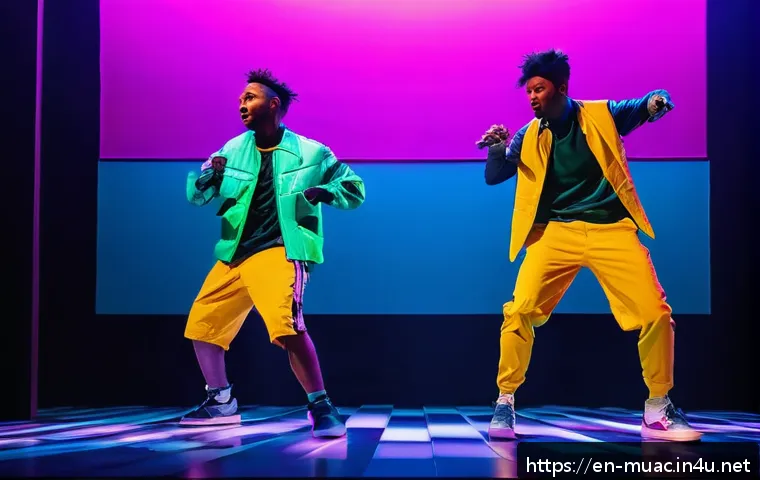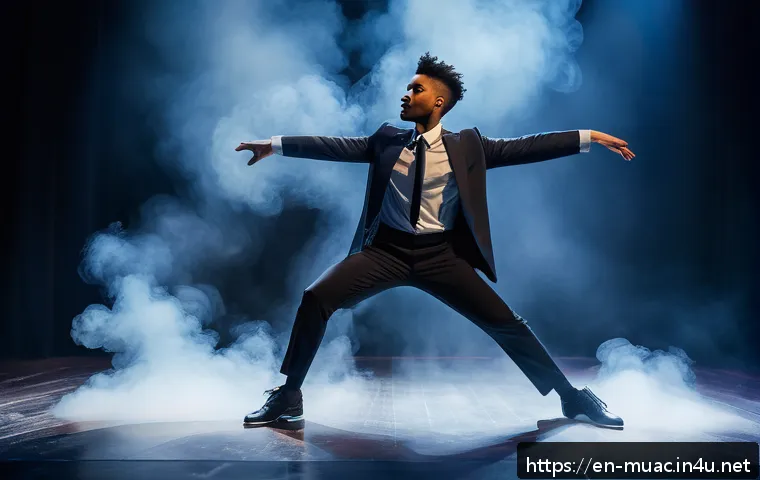
Improvisation is the heartbeat of musical theater, breathing life into every performance with spontaneity and creativity. For musical actors, mastering this skill means more than just quick thinking—it’s about connecting deeply with the moment, their fellow performers, and the audience.

When done well, improvisation can turn a simple scene into an unforgettable experience, showcasing an actor’s true versatility and emotional range. It’s fascinating how these unscripted moments often reveal the genuine magic of live theater.
Curious about how musical actors develop and harness these skills? Let’s dive in and explore the art of improvisation in musical theater more closely!
Building the Foundation: Core Techniques Behind Spontaneous Performance
Sharpening Listening Skills for Real-Time Connection
Improvisation in musical theater hinges on the ability to truly listen—not just to the words, but to the emotions, rhythms, and subtle cues from fellow performers.
I’ve noticed that the best improvisers aren’t just waiting for their turn to speak; they’re actively absorbing every nuance around them. This kind of attentive listening creates a dynamic energy that allows scenes to flow naturally, even when unplanned twists arise.
Actors often practice exercises where they respond only to non-verbal signals or mimic the tone and pace of their partner’s speech, which trains them to stay fully present and responsive.
Mastering Emotional Agility for Authentic Expression
Improvising musically means balancing quick thinking with genuine emotional truth. From personal experience, I can tell you that it’s easy to fall into the trap of trying to be funny or clever on the spot, but that often rings hollow.
Instead, the magic happens when an actor taps into their emotional reservoir—whether it’s joy, sadness, confusion, or excitement—and lets that guide their spontaneous choices.
This emotional agility allows scenes to resonate deeply with the audience, making every moment feel real and impactful.
Physicality and Space: Using the Body to Enhance Improvisation
Body language and movement are just as vital as vocal improvisation. I’ve found that when actors are free to explore physical reactions—like a sudden gesture, a shift in posture, or playful interaction with set pieces—it adds layers to the scene that words alone can’t achieve.
Some companies incorporate improvisational dance or movement workshops to loosen up the body and encourage instinctual responses. This kinesthetic approach helps performers remain flexible and in tune with their environment, enhancing the overall spontaneity.
Collaborative Dynamics: Trust and Chemistry on Stage
Building Trust Among Cast Members
Improvisation thrives on trust. I’ve been part of ensembles where the level of trust directly influenced how daring and inventive the improvisation became.
When actors feel safe to take risks without fear of judgment or failure, the entire performance elevates. Trust-building exercises—like sharing personal stories or group problem-solving tasks—are often used during rehearsals to foster this environment.
It creates a kind of unspoken agreement that everyone supports each other’s choices, no matter how wild they might seem.
Reading and Responding to Fellow Performers
The back-and-forth rhythm between actors is crucial. Improvisation isn’t a solo act; it’s a conversation. In my experience, successful improvisers develop a sixth sense for anticipating where their scene partner is headed, yet they stay open to surprises.
This balance between prediction and openness makes scenes feel alive and unpredictable. Sometimes, a quick glance or a shift in tone signals a shift in the scene’s direction, and picking up on those cues can turn a good moment into a show-stopper.
Adapting to Audience Energy
Live audiences are unpredictable, and their energy often shapes how a scene unfolds. I remember a show where the audience’s laughter and reactions encouraged the cast to push the boundaries of their improvisation further than usual.
Skilled musical actors tune into these vibes, adjusting pacing and delivery to match the crowd’s mood. This responsiveness not only heightens engagement but also creates a unique experience that can never be replicated exactly.
Training Methods That Enhance Spontaneity
Improvisation Workshops and Games
Regular practice is key to maintaining sharp improvisational skills. Many theaters offer workshops focused on improvisation games, which range from simple word association to complex scene-building exercises.
These activities break down inhibitions and encourage playful risk-taking. I’ve personally benefited from games that force me to think on my feet while staying emotionally connected, which translates directly to better performance on stage.
Voice and Music Improvisation Techniques
Since musical theater combines singing and acting, improvisation training often includes vocal exercises that encourage flexibility and creativity. Techniques like scat singing, melodic riffing, or spontaneous lyric creation help performers develop a musical vocabulary that’s adaptable in the moment.
Working with musicians who can improvise alongside actors also pushes performers to explore new rhythms and harmonies, creating a richer performance palette.
Mindfulness and Presence Practices
Staying present is essential for improvisation, so many actors incorporate mindfulness or meditation into their routine. I’ve found that even just a few minutes of focused breathing before a show helps center my attention and calm nerves, making it easier to stay open and reactive.
These mental exercises support emotional balance and reduce the tendency to overthink, which can kill the spontaneity that improvisation demands.
Handling Unexpected Situations with Grace
Turning Mistakes into Opportunities
In live theater, things go wrong. Props break, lines get forgotten, or cues are missed. But here’s the thing: improvisation trains actors to turn those moments into gold.
I’ve seen colleagues transform a botched entrance into a comedic highlight simply by staying in character and embracing the mistake. This mindset—that every “error” is a chance to create something fresh—is empowering and helps maintain the flow and energy of the performance.
Maintaining Character While Adapting
Improvising doesn’t mean losing track of the character’s core. I’ve learned that the key is to stay true to the character’s objectives and personality, even when the dialogue or situation shifts unexpectedly.
This consistency provides an anchor for the audience, making the scene believable despite the spontaneity. Actors often rehearse improvisation within the boundaries of their character’s traits to keep this balance intact.

Using Humor as a Bridge
Humor is a powerful tool when navigating unplanned moments. Whether it’s a witty comeback, a playful physical gag, or a clever musical riff, humor can diffuse tension and draw the audience in.
But it’s important to use humor that fits the tone of the show and respects the characters. I’ve found that when humor arises naturally from the situation and character relationships, it feels authentic rather than forced.
Technology and Improvisation: New Frontiers in Musical Theater
Incorporating Live Music and Digital Effects
Modern productions sometimes integrate live music improvisation with digital sound effects, creating an interactive experience between actors and technology.
I’ve witnessed shows where musicians and actors improvise simultaneously, responding to each other’s cues in real time, enhanced by soundboards and lighting changes.
This tech-savvy approach adds layers of spontaneity and excitement, pushing the boundaries of traditional musical theater.
Virtual and Hybrid Performances
The rise of virtual performances during recent years has introduced new challenges and opportunities for improvisation. Actors must adapt their spontaneity to digital platforms, where timing and audience feedback differ from live settings.
I’ve participated in online musicals where improvisation involved quick camera work, virtual backgrounds, or interacting with chat feedback. These experiences require a fresh set of skills but open doors to innovative storytelling.
Using Apps and Tools for Practice
Technology also supports improvisation training outside the theater. Apps that generate random prompts, musical riffs, or scene scenarios help actors practice anytime, anywhere.
I’ve found these tools invaluable for keeping my skills sharp between rehearsals. They simulate the unpredictability of live performance and encourage creative thinking under pressure.
Measuring Success: How Improvisation Translates to Performance Quality
Audience Engagement and Emotional Impact
One of the clearest signs that improvisation is working is the audience’s reaction. When actors improvise skillfully, the audience feels more connected and emotionally invested.
From personal experience, moments of improvisation often lead to spontaneous applause or laughter that lasts longer than scripted scenes. This heightened engagement is a testament to the authenticity and energy that improvisation brings.
Critical Acclaim and Peer Recognition
Improvisation can also earn respect from critics and fellow performers. Shows known for their improvisational elements often receive praise for originality and actor versatility.
I’ve seen colleagues celebrated for their quick wit and adaptability, which can lead to more prominent roles and career opportunities. This recognition reinforces the value of improvisation as a professional skill.
Tracking Personal Growth and Confidence
Beyond external feedback, improvisation fosters internal growth. I’ve noticed that as my improvisation skills improve, so does my overall confidence on stage.
Being able to navigate unexpected moments without panic creates a sense of empowerment that permeates every aspect of performance. This personal development is often the most rewarding outcome of dedicated improvisation practice.
| Aspect | Key Benefits | Training Methods | Real-World Application |
|---|---|---|---|
| Listening Skills | Enhanced scene flow and connection | Active listening exercises, mirroring | Reacting authentically to partners’ cues |
| Emotional Agility | Deeper audience engagement | Emotional recall, mindfulness | Expressing genuine feelings in improv |
| Physicality | Richer non-verbal storytelling | Movement workshops, kinesthetic games | Using gestures to support spontaneous scenes |
| Trust Building | Risk-taking without fear | Group trust exercises, personal sharing | Bold choices supported by ensemble |
| Technology Integration | Expanded creative possibilities | Tech rehearsal, virtual improv | Live music and digital effects interplay |
Concluding Thoughts
Improvisation in musical theater is a powerful tool that enriches performance through genuine connection, emotional depth, and adaptability. By cultivating core skills like listening, trust, and presence, performers create unforgettable moments that resonate with audiences. Embracing spontaneity not only enhances creativity but also builds confidence that shines on and off the stage.
Useful Tips to Keep in Mind
1. Practice active listening daily to sharpen your awareness of both verbal and non-verbal cues during scenes.
2. Develop emotional agility by tapping into your own feelings and letting them guide your improvisation authentically.
3. Incorporate physical movement exercises into your routine to support expressive and spontaneous storytelling.
4. Foster trust with your fellow performers through team-building activities that encourage risk-taking without fear.
5. Utilize technology and digital tools to expand your improvisational skills and adapt to modern performance formats.
Key Takeaways for Successful Improvisation
Effective improvisation blends sharp listening, emotional authenticity, and physical expressiveness with strong collaborative trust. Staying present and flexible allows actors to transform unexpected moments into creative opportunities while maintaining character integrity. Integrating technology thoughtfully can further elevate performance, creating dynamic, engaging experiences that captivate both live and virtual audiences.
Frequently Asked Questions (FAQ) 📖
Q: How can musical actors improve their improvisation skills effectively?
A: Improving improvisation as a musical actor starts with consistent practice in a supportive environment. Joining improv workshops or classes specifically tailored for performers helps build quick thinking and adaptability.
Additionally, rehearsing scenes with varying outcomes and actively listening to fellow actors sharpens the ability to react genuinely in the moment. From my own experience, embracing mistakes as opportunities rather than setbacks fosters confidence and creativity, which are essential for thriving in live performances.
Q: Why is improvisation so important in musical theater performances?
A: Improvisation is crucial because live theater is unpredictable—technical glitches, missed cues, or unexpected audience reactions can happen anytime. When actors can improvise, they keep the story alive and maintain the energy on stage without breaking character.
More importantly, it deepens the connection between performers and the audience, making each show unique and emotionally resonant. In my time on stage, the moments where I improvised not only saved scenes but often became the most memorable and heartfelt parts of the performance.
Q: Can improvisation enhance an actor’s emotional expression in musical theater?
A: Absolutely. Improvisation encourages actors to tap into their genuine emotions rather than sticking rigidly to a script. This freedom allows for more authentic reactions and dynamic character development.
When you’re not confined to predetermined lines, you can explore subtle nuances and spontaneous emotional shifts that resonate deeply with the audience.
I’ve noticed that actors who embrace improvisation tend to deliver performances that feel more alive and relatable, which ultimately elevates the entire production.