
Private coaching can suit performers who need detailed, individual feedback, while workshops and school-based programs may fit those seeking structured group learning.
Apprenticeships and informal mentoring can be useful for longer-term professional exposure, but availability and access vary. The best option depends on a performer’s current skill level, goals, schedule, and total budget.
Paid vocal coaching or acting training may be worthwhile when the provider’s approach, credentials, and policies are clear. A mentor can offer practical guidance for auditions, technique, and professional etiquette, but cannot promise casting or employment.
Compare the format before committing, especially when a program combines training with performance opportunities.
At a Glance
- Private coaching may offer focused feedback for specific vocal, acting, or audition goals.
- Group workshops can provide shared learning, practice time, and exposure to different working styles.
- Mentorship can support career planning and professional habits, but it does not guarantee auditions, casting, or representation.
| Format | Time Commitment | Feedback Depth | Cost Factors | Best Fit |
|---|---|---|---|---|
| Private coaching | Scheduled one-to-one sessions | Usually more individualized | Instructor experience, session format, location, and materials | Performers with a focused technique or audition goal |
| Group workshop | Single session or short series | Shared feedback and limited individual attention | Workshop length, guest leaders, venue, and included activities | Beginners or performers exploring new skills |
| Apprenticeship or theatre-company initiative | May require ongoing participation | Can include observation, practice, and practical guidance | Program structure, eligibility, travel, and required commitments | People considering a sustained theatre pathway |
| Informal professional mentoring | Flexible and relationship-dependent | Varies greatly | May involve no formal fee, but expectations should still be clear | Early-career performers seeking general perspective |
What Professional Mentorship Can Offer Emerging Musical Theatre Performers
Skill feedback, audition preparation, and career guidance
Mentorship in musical theatre can be practical rather than abstract. A working professional, acting coach, vocal coach, or workshop leader may help a performer identify areas to develop in singing, acting, movement, audition preparation, and stage communication. For example, a coach may help someone select material that fits a current goal, prepare for an audition setting, or build a more organized rehearsal process.
Career guidance can also be valuable. Emerging performers often need help understanding professional etiquette: arriving prepared, communicating clearly, receiving notes calmly, and respecting rehearsal boundaries. These habits are not a shortcut to a job, but they can make training and collaborative work more productive.
What mentorship cannot promise
A mentor relationship cannot guarantee an audition, casting decision, representation, employment, or professional success. Even a respected instructor may not control how a production team selects performers. Be cautious if paid training is presented as a guaranteed route to industry access.
Useful mentorship is specific. It should explain what will be taught, how feedback will be delivered, and what a learner can reasonably work on after the session. Vague claims about “being discovered” are not a substitute for clear instruction.
Comparing Coaching, Workshops, Apprenticeships, and Informal Guidance
Private sessions versus group learning
Private vocal coaching or acting coaching can be a practical choice when a performer has a defined need. That might include preparing a song, improving audition confidence, or receiving detailed notes on acting choices. Because the session is centered on one person, the learner may have more space to ask questions and revisit difficult material.
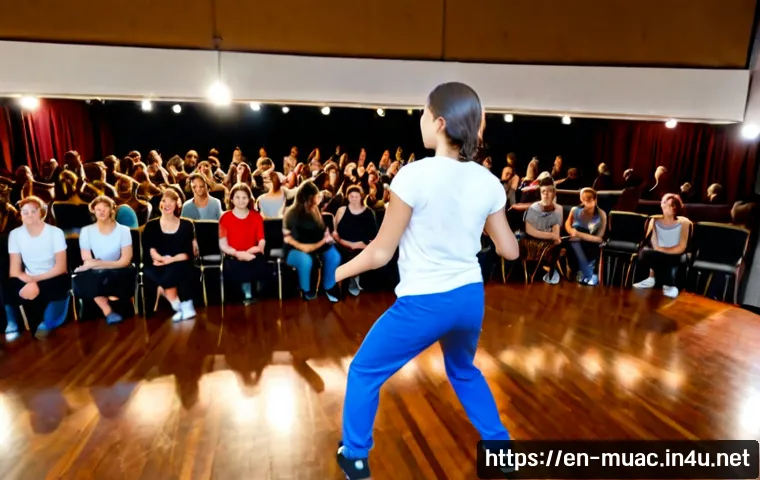
Group theatre workshops create a different kind of value. Participants can observe how others approach scenes, songs, movement, and feedback. A workshop may also be less intimidating for someone who is new to musical theatre training. However, individual attention may be limited, particularly when the group is large or the session covers several topics.
Apprenticeships and theatre-company initiatives may provide a broader view of how theatre work is organized. The learning may include rehearsal observation, practical tasks, group training, or performance-related activity. Before applying, confirm the actual learning component rather than assuming a program provides direct professional connections.
Time commitment, feedback access, and cost factors
When comparing a coaching service or training program, look beyond the advertised session. Ask whether preparation, follow-up notes, materials, accompanist support, travel, performance access, or additional classes are included. The total cost can be different from the initial booking fee.
Also consider whether the schedule is realistic. A high-quality acting studio or vocal training program may still be a poor fit if its timing makes consistent practice impossible. The best option is often the one a performer can attend, prepare for, and reflect on regularly.
How to Evaluate the Value of Paid Training
Questions to ask about qualifications and teaching approach
Before booking a coach, ask clear questions. What is the instructor’s relevant experience? Do they teach the skill you want to develop? How do they structure feedback? Is the session focused on voice, acting, audition technique, career planning, or a combination of areas?
Teaching experience and performing experience are not identical. A professional performer may bring useful industry perspective, while a trained educator may offer a particularly structured teaching process. Neither label alone tells you whether the format matches your needs. Look for clarity, communication, and an approach you can understand.
Comparing total costs, included materials, and performance opportunities
Paid training may be justified when it offers a defined purpose and useful feedback. A performer preparing for an important audition may value individualized rehearsal time. A beginner may get more practical benefit from a lower-cost group class that covers foundational skills. There is no universal “best” investment.
If a program mentions a showcase, performance opportunity, or industry-facing event, ask what that phrase means in practice. Confirm whether participation is included, optional, limited, or subject to separate requirements. Do not assume that appearing in a program leads to professional work.
Safe and Productive Mentoring Practices
Setting goals, boundaries, and communication expectations
A productive mentor relationship begins with a simple goal. Examples include preparing two contrasting songs, improving confidence in a mock audition, or learning how to organize a rehearsal plan. Clear goals help both sides decide whether the work is progressing.
Set expectations about communication, feedback, scheduling, and cancellations before beginning. Professional boundaries matter in every training setting. For younger learners, parents or guardians should understand how communication is handled and what supervision or safeguarding policies apply.
Common mistakes: paying for vague promises or skipping policy checks

A common mistake is paying for a program without understanding what is included. Another is choosing based only on a well-known name rather than the actual training format. Review cancellation terms, rescheduling rules, expected preparation, and any additional costs before enrolling.
It is also wise to avoid pressure-based decisions. A legitimate coaching or workshop provider should be able to explain the service without promising exclusive access, guaranteed outcomes, or immediate career results.
Choosing the Right Path for Your Career Stage
Beginners building foundational skills
Beginners may benefit from group musical theatre classes, school-based programs, or introductory workshops. These settings can build familiarity with rehearsal routines, ensemble work, basic performance vocabulary, and constructive feedback. Independent practice can complement formal instruction when it is guided by realistic goals.
Performers preparing for auditions or professional opportunities
For someone preparing for auditions, private coaching may be helpful when the goal is narrow and immediate. A coach can offer targeted feedback on material selection, performance choices, or preparation habits. Still, coaching should be treated as support for preparation, not a promise of a casting result.
Parents and guardians assessing programs for younger learners
Parents and guardians should ask about instructor qualifications, supervision, communication channels, cancellation policies, and safeguarding practices. Confirm age eligibility and whether there are any required materials, performance commitments, or travel expectations. A program should be understandable before payment is made.
Selection Criteria and Comparison Summary
A practical checklist before booking a coach or joining a program
Compare coaching format, schedule, credentials, teaching focus, cancellation terms, and total fees before enrolling. Ask what feedback will be provided, whether materials or performance opportunities are included, and what outcome is realistically expected. Confirm details directly with the relevant provider, especially where availability, policies, scholarships, or eligibility are important.
When to choose low-cost group training, private coaching, or independent practice
Choose lower-cost group training when you want foundational learning, regular practice, and peer interaction. Consider private coaching when you need detailed support for a particular skill or audition task. Independent practice may be appropriate when you already have clear exercises or material to work on and need time to apply feedback.
Before making a booking, compare the official program information, instructor details, schedule, and full conditions on the provider’s page.
In Closing
Musical theatre mentorship can take many forms, from informal advice to structured vocal coaching and theatre workshops. The right choice is not always the most expensive or most exclusive option. It is the format that offers clear instruction, realistic expectations, and a workable commitment for the performer. Careful comparison helps learners invest in training with more confidence.
Useful Things to Know
Ask for specifics: Find out what a session or program actually includes.
Check the full commitment: Consider preparation time, travel, materials, and follow-up work.
Keep expectations realistic: Training can improve preparation, but it cannot guarantee employment.
Review policies early: Confirm cancellation, communication, and safeguarding information where relevant.
Important Notes
Instructor qualifications, teaching credentials, fees, session length, scholarships, performance access, and mentoring outcomes vary by provider and location. Information about any individual performer’s availability or services should be confirmed directly with that person or organization. No mentorship format guarantees auditions, casting, representation, or a professional theatre career.
Frequently Asked Questions
Q1. Is private coaching worth the cost for an aspiring musical theatre performer?
A1. It can be worthwhile when you need focused feedback for a clear goal, such as audition preparation or a specific performance skill. Compare the coach’s approach, session format, credentials, schedule, and total fees before deciding. For broad foundational learning, a group workshop or class may be a better fit.
Q2. What should I look for in a musical theatre mentor or workshop leader?
A2. Look for a clear teaching focus, relevant experience, professional communication, transparent fees, and realistic claims. Ask how feedback is given, what preparation is expected, and what policies apply to cancellations or younger participants.
Q3. Can a mentor help someone get auditions or professional theatre work?
A3. A mentor may help a performer prepare more effectively, understand professional etiquette, and make better training choices. However, a mentor cannot guarantee auditions, casting, representation, employment, or professional success.