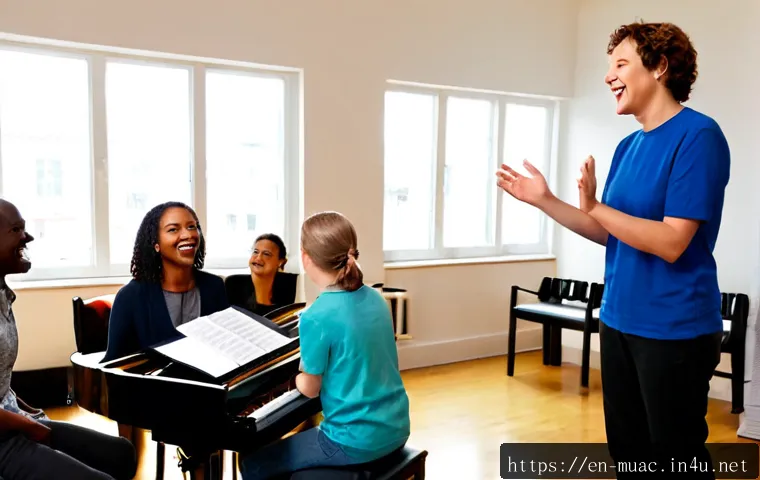
People choose musical theatre because it brings together acting, singing, movement, and the energy of live storytelling. It can be a rewarding career direction, but passion works best when it is matched with realistic preparation for training, auditions, feedback, and changing schedules.

Some performers begin through school or community productions, while others invest in vocal lessons, audition coaching, or performing arts programs. The right route depends on your current skills, target roles, available time, and overall budget.
Paid training can be useful when it provides focused feedback and a clear next step rather than simply a prestigious label. Before committing, compare course scope, instructor fit, schedule, performance opportunities, and total costs.
At a Glance
- Musical theatre attracts performers who enjoy acting, singing, movement, and live audience connection.
- A strong career fit requires more than talent: rehearsals, auditions, feedback, travel, and flexible schedules are part of the process.
- Training can range from self-directed practice to private coaching and formal performing arts programs, depending on your goals.
| Training Route | Best For | Main Benefit | Key Question Before Paying |
|---|---|---|---|
| Self-directed practice and community theatre | Beginners testing interest | Low-pressure experience and practical learning | Will this give you enough feedback on your current gaps? |
| Private vocal, acting, or dance coaching | Performers with a specific skill goal | Personalized feedback and audition preparation | Does the coach understand your voice, target roles, and schedule? |
| Group workshops | Performers who want practice with peers | Structured exercises and collaborative learning | Does the workshop include useful feedback and relevant material? |
| Formal theatre or conservatory programs | People seeking intensive, broad training | Regular instruction and performance-focused structure | Do the curriculum, total cost, and commitments fit your career plan? |
The Core Reasons People Choose Musical Theatre
Musical theatre can appeal to people who do not want to choose between performing a scene and singing a song. It is a creative field built around multiple performance skills, shared rehearsal time, and direct audience response. The attraction is real, but it helps to separate the excitement of a finished performance from the everyday work required to reach it.
Combining Music, Acting, Movement, and Live Storytelling
Many performers are drawn to musical theatre because a character can be expressed through dialogue, music, physical choices, and movement. A song is not only a vocal task; it often carries a story, a relationship, or a change in the character’s point of view. Productions vary, so dance or movement expectations may be greater in some shows than others. Role requirements are not identical from one audition to the next, which is why flexible foundational training can be more useful than preparing for only one type of part.
The Appeal of Ensemble Collaboration and Audience Connection
Musical theatre is often collaborative. Performers work with cast members, directors, music staff, choreographers, and production teams. Some people thrive in that environment because a show depends on listening, timing, and supporting the larger story. Live performance also offers an immediate connection with an audience, but it requires consistency. You may need to repeat material, adjust to notes, and stay focused even when a rehearsal day feels less glamorous than opening night.
Turning Long-Term Creative Interests Into a Career Direction
A childhood interest in singing, school plays, dance classes, or community theatre can become a reason to explore professional work. That interest does not need to become an instant full-time commitment. A useful first step may be a local production, a beginner acting class, or a vocal lesson that identifies your current strengths. Curiosity is a valid starting point, but a career decision should be based on continued interest in the work itself.
Passion Versus Career Fit: Questions to Ask Before Committing
Loving musicals is different from enjoying the process of becoming a musical theatre performer. The practical side includes preparation, scheduling, audition materials, and feedback that may be direct. Asking a few honest questions early can help you choose training without overspending.
Do You Enjoy the Rehearsal Process as Much as Performance?
Rehearsal may include repeating choreography, learning harmonies, refining a scene, reviewing notes, and practicing material outside the room. If you enjoy the small improvements as much as the final applause, musical theatre may suit you well. If you only enjoy the idea of being on stage, try a class or community production before making a larger education commitment.
Are You Prepared for Auditions, Feedback, and Inconsistent Schedules?
Auditions are part of many theatre career paths. Expectations can vary by role, production scale, location, and experience level. Feedback can be helpful, but it is not always comfortable. A performer also may need to manage rehearsals, workshops, travel, or other work around changing schedules. Resilience and organization are practical skills, not optional extras.
What Level of Financial and Time Flexibility Do You Have?
Costs can arise from vocal training, dance classes, acting schools, audition coaching, headshots, travel, materials, and possible union-related requirements. These costs vary substantially, so avoid assuming that one person’s path will match yours. Make a simple budget that includes both regular training and audition-related expenses. If you have limited time or funds, a short course or a targeted coaching session may be a better test than an immediate long-term program.
Training Routes Compared: Lessons, Workshops, and Performing Arts Programs
There is no single correct route into musical theatre. The most useful choice is usually the one that addresses your present skill level and gives you a practical next step. Prestige alone does not tell you whether a program, teacher, or workshop is right for your needs.
Self-Directed Practice and Community Productions
Self-directed preparation can include learning songs, practicing script analysis, building basic movement confidence, and attending local productions as an observer. Community theatre can add rehearsal experience, ensemble awareness, and a chance to understand the pace of a production. This path may be especially useful for beginners who want to test their interest before investing heavily. The limitation is that progress can be harder to measure without regular, informed feedback.
Private Vocal, Acting, and Dance Coaching
Private coaching can be a focused option when you know what you need to improve. A vocal coach may help with song preparation and healthy technique within their teaching approach. An acting coach may help you clarify storytelling choices, while dance coaching can support movement skills required by certain auditions. Before booking ongoing sessions, ask about lesson goals, teaching style, scheduling, preparation expectations, and total costs. A good fit should help you build skills rather than create pressure to purchase services you do not need.
Conservatory and Degree Programs: Value, Costs, and Fit
Formal performing arts programs may provide a structured schedule across acting, singing, movement, and performance practice. For some students, that consistent environment is valuable. For others, a program may not match their finances, location, learning style, or career timing. Review the course scope carefully. Look at what skills are taught, what performance opportunities are included, how feedback is delivered, and what additional costs may apply. No school or training program can guarantee professional work.
Preparing for Auditions Without Overspending
Audition preparation should be purposeful. It is easy to feel that every service is necessary, especially when you are new to the field. Start with the foundation that will improve your performance across many opportunities, then add specialized support when it solves a real problem.
Prioritizing Foundational Skills Before Premium Services
Before paying for advanced audition packages or extensive portfolio services, assess the basics. Can you prepare a song with clear storytelling? Can you take direction? Do you understand the role and production style? Are your movement skills appropriate for the audition notice? Skill development usually comes before presentation upgrades. Strong materials cannot replace preparation for the room.

Budgeting for Coaching, Headshots, Travel, and Materials
Create separate categories for ongoing training and individual audition expenses. This can make it easier to see whether a private lesson, headshot session, workshop, or travel plan is affordable at the moment. Confirm current local prices directly with providers rather than relying on old information. Also consider whether the audition is suitable for your experience and available preparation time before spending on travel or extra coaching.
Avoiding Common Portfolio and Audition-Preparation Mistakes
One common mistake is applying for roles that do not match the posted requirements or your current preparation. Another is choosing songs only because they are famous rather than because they suit the character, production, and your present abilities. Avoid building a portfolio too quickly with materials that do not represent you accurately. It is also wise not to assume that expensive headshots, coaching, or a formal program will automatically create more bookings.
Different Paths Into the Profession
Musical theatre careers can develop through different combinations of training and experience. Stage productions, touring shows, regional theatre, educational performance, workshops, and related creative work may all be part of a performer’s path. Your entry point can reflect where you are now rather than where someone else began.
Students Building Experience Through School and Community Theatre
Students may use school productions, youth theatre, and community theatre to develop confidence and learn rehearsal habits. This can be a practical setting for discovering whether they enjoy ensemble work and regular practice. They can then decide whether private vocal lessons, acting workshops, or a performing arts school would fill a specific gap.
Career Changers Testing the Field Through Classes and Local Productions
Career changers may prefer a gradual approach. An evening acting class, beginner dance course, vocal training session, or local audition can reveal what the work feels like alongside existing responsibilities. This route can reduce pressure to make a major financial commitment before you understand your interests, stamina, and schedule.
Experienced Performers Expanding From Acting, Singing, or Dance
An actor may need stronger vocal preparation. A singer may want more scene-study experience. A dancer may want to build acting and audition technique. For experienced performers, targeted coaching can be more efficient than repeating broad introductory training. The key is identifying the skill that limits the roles you want to pursue.
Selection Criteria and Comparison Summary
Before choosing a lesson package, audition coach, workshop, or formal theatre program, check these points:
- Current skill level: Choose training that addresses your actual needs, not only your long-term ambition.
- Target roles: Consider whether you need stronger singing, acting, movement, audition technique, or ensemble experience.
- Course scope: Confirm what is taught, how feedback works, and whether performance opportunities are included.
- Instructor fit: Look for a teaching style and communication approach that support your learning.
- Schedule and travel: Make sure rehearsals, lessons, and auditions are realistic alongside your other commitments.
- Total cost: Include tuition or lesson fees, materials, headshots, travel, and other preparation expenses.
Compare course scope, instructor fit, schedule, and total costs on the relevant provider’s official page before making a commitment.
In Closing
People often choose musical theatre because it gives them a way to combine performance skills with live storytelling. The best next step is not always the most expensive one. Start with an honest view of your current skills, then choose training or audition support that has a clear purpose. A steady approach can help you explore the field while keeping your time and budget in view.
Useful Things to Know
Training needs vary by role. A role with substantial dance demands may call for different preparation than a role centered on acting and vocals.
Experience can be built in several settings. School productions, community theatre, workshops, regional work, and educational performance can all offer useful learning opportunities.
Feedback is part of the work. The ability to listen, adjust, and keep practicing is valuable in rehearsals and auditions.
Important Notes
Costs, audition expectations, program details, and local opportunities can change. Confirm current information directly with schools, coaches, theatres, and audition organizers. No specific class, coach, headshot service, or performing arts program can promise professional employment, consistent bookings, or a particular income level.
Frequently Asked Questions
Q1. Why do people choose to become musical theatre actors?
A1. Many people enjoy the combination of acting, singing, movement, ensemble collaboration, and live storytelling. Others see it as a way to develop a long-standing interest in theatre into a more focused creative direction. Individual motivations vary, so it is helpful to test whether you enjoy rehearsals and preparation as well as performance.
Q2. Is formal musical theatre school worth the cost for aspiring performers?
A2. It can be useful for people who want structured, intensive training and whose budget, schedule, and learning preferences fit the program. It is not automatically the right choice for every performer. Compare the curriculum, instructor fit, performance opportunities, schedule, and total costs, and remember that a program cannot guarantee professional work.
Q3. Should beginners start with private lessons, workshops, or community theatre?
A3. The best starting point depends on your goal. Community theatre can provide practical production experience, workshops can offer structured group learning, and private lessons can target a specific vocal, acting, or movement need. Beginners often benefit from choosing the option that gives them useful feedback without requiring an oversized financial commitment.