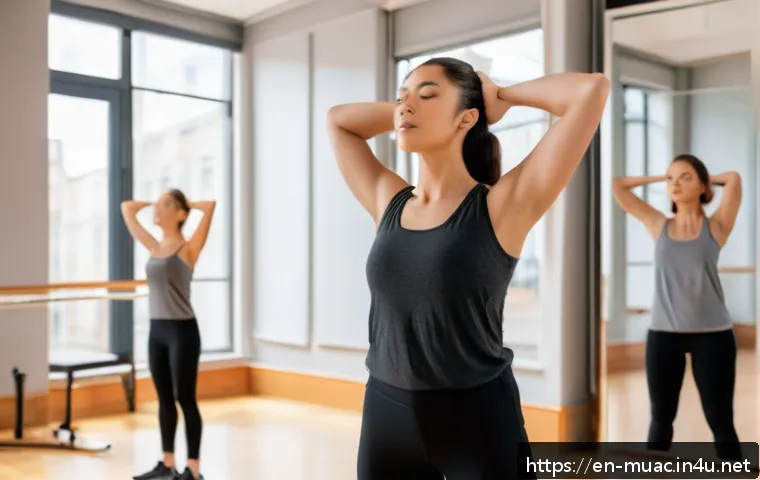
A strong musical theatre dance rehearsal routine separates learning, cleaning, and performing instead of repeating the full combination until fatigue takes over.
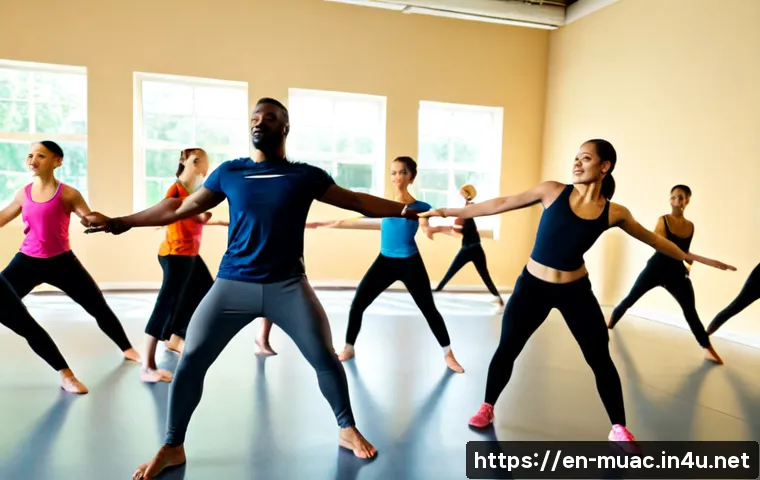
Practice at home when you need recall work, use a mirror-equipped studio when space and full-out movement are limiting factors, and consider private coaching when you need specific correction.
The right investment depends on the choreography, your current training, the production schedule, and the feedback you already have. A simple system also helps you arrive at auditions with clearer counts, stronger transitions, and more reliable performance choices.
Before booking studio time or a coach, identify the actual problem your next rehearsal session needs to solve.
Quick Overview
- Learn first: break choreography into counts, sections, and transitions before trying to dance it full-out.
- Clean with purpose: isolate spacing, facings, arms, timing, and style rather than hoping repetition fixes everything.
- Spend selectively: home practice supports recall, while studio rental and private choreography coaching can help when space or feedback is the missing piece.
| Practice Setting | Best For | Feedback Quality | Space and Noise | Key Consideration |
|---|---|---|---|---|
| Home practice | Counts, marking, memorization, and small-detail review | Mostly self-directed | May be limited by floor space, noise, and furniture | Useful when you do not need a full-out run |
| Mirror-equipped studio rental | Spacing, traveling phrases, formations, and performance runs | Self-review, especially with video | More room to move; policies vary by venue | Confirm rental minimums, equipment, and cancellation terms |
| Group class | Style exposure, movement vocabulary, and working around other dancers | General instructor feedback may be available | Shared space and set class structure | May not address your specific audition combination |
| Private choreography coaching | Targeted corrections, interpretation, and difficult technical patterns | Direct and individualized | Depends on the coaching location | Review instructor experience and total session costs |
Build a Rehearsal System That Makes Choreography Stick
A useful rehearsal system has a clear order: learn, clean, then perform. This prevents a common problem in musical theatre training: spending most of the session dancing hard while the steps, counts, or transitions are still uncertain. If the movement is not yet clear, a full-out run often rehearses hesitation rather than confidence.
The Three-Part Answer: Learn, Clean, and Perform
Learning is the recall stage. Identify the counts, the pathway, the facing, and the order of movement. Marking the phrase is appropriate here because your job is to understand it, not to prove your stamina.
Cleaning is the correction stage. Work on one category at a time: arms, weight changes, timing, spacing, or style. A clean rehearsal asks a specific question, such as “Does my head arrive with the final count?” rather than “Can I get through it again?”
Performing comes after the material is dependable. Add projection, character intention, vocal awareness if relevant, and enough energy to test whether your technique holds under performance conditions. Do not confuse this stage with endless high-intensity repetition.
A Realistic Weekly Schedule for Busy Performers
Rather than assigning a universal number of sessions, build your week around the demands in front of you. A performer preparing an audition may need short, focused recall sessions between longer rehearsals. Someone in a production may prioritize consistency, recovery, and notes from the creative team.
Each practice session can have one primary purpose: review counts, repair a transition, test spacing, or perform the complete phrase. This approach is more realistic than trying to solve every issue every time you dance. Keep a short written list of unresolved moments so the next session starts with a plan.
Start Every Session With a Short Warm-Up and Goal
Begin with a warm-up appropriate to your movement demands and current condition. Then state one goal in plain language: “I will fix the turn into the final diagonal,” or “I will match the musical accent in the second phrase.” A specific target protects your time and reduces unfocused repetition.
If you are tired, short on space, or reviewing a new combination, choose marking and detail work instead of forcing a full-out session. Practice quality matters more than simply doing more runs.
Choose the Right Practice Setting for Your Budget and Goals
The best setting is not automatically the most expensive one. Home practice, dance studio rental, group training, and private coaching solve different problems. First identify whether your current limitation is memory, space, feedback, technique, or performance confidence.
Home Practice vs. Mirror Studio vs. Group Class vs. Private Coaching
Home practice can be enough for reviewing a video, walking counts, marking choreography, and memorizing sequence. It is less useful when the phrase travels, includes large jumps, requires formation awareness, or needs a safe full-out run.
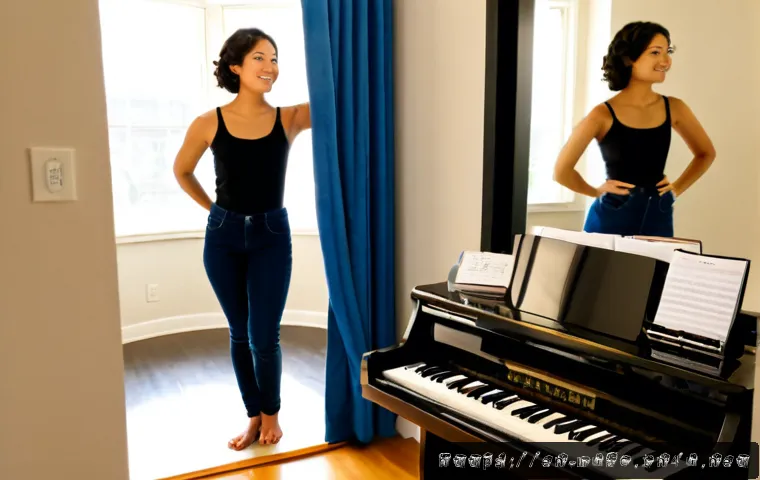
A mirror studio gives you room to observe lines, pathways, and facings in real time. It may be valuable before an audition or self-tape when you need to test the whole combination. However, mirrors can also encourage constant visual checking. Use them to verify a detail, then look away and test whether the movement still feels organized.
A group class can sharpen adaptability and expose you to different movement styles. Private dance coaching is more focused: it can be useful when you keep receiving the same note, cannot identify why a transition fails, or need an outside eye on audition presentation.
When Studio Rental Delivers Better Value Than Another Solo Run-Through
Studio time can be a sensible rehearsal investment when your home setup prevents you from practicing safely or accurately. Examples include choreography with traveling patterns, turns that need clear spotting space, broad ensemble spacing, or a final full-out audition review.
Before booking, ask whether a studio solves a real limitation. If you only need to memorize counts, a rented room may add cost without adding much value. If your problem is that you cannot see a recurring alignment or timing issue, studio space alone may not be enough; video feedback or a qualified coach may be more useful.
A Step-by-Step Routine for Learning and Retaining Dance Material
Use a repeatable sequence so choreography becomes easier to retrieve under pressure. The goal is not to make every rehearsal identical. It is to give your attention a logical order.
Mark Counts and Choreography Before Dancing Full-Out
Start by listening for the musical structure. Mark counts, accents, pauses, and any lyric or story cue that changes the movement quality. Then walk or mark the choreography at a level that lets you notice where your feet, torso, and focus are going.
For difficult sections, describe the pattern in your own words. A brief note such as “cross, turn, travel, hit” may be enough to restore the sequence later. Keep notes simple; lengthy descriptions can become harder to use than the choreography itself.
Use Slow Repetitions, Chunking, and Transition Drills
Divide the material into manageable chunks. Practice one section until you can begin and end it deliberately, then connect it to the next section. The joins deserve special attention because transitions are where performers often lose counts, change direction late, or forget the next intention.
Slow repetition is not a lesser version of dancing. It is a way to identify weight shifts, pathway choices, and coordination problems before speed hides them. Once a chunk is stable, test it at a more realistic pace.
Add Music, Intention, and Performance Energy in Stages
After the steps are secure, layer in musicality. Ask what the movement does on the beat, before the beat, or through the phrase. Then add character and intention. In musical theatre, the dance should support the scene rather than become disconnected exercise.
Bring performance energy in gradually. A technically demanding phrase can change when you add eye line, expression, breath, or a relationship to an imagined scene partner. Test these elements without abandoning the technical detail you just cleaned.
Record Review Footage Without Relying on It as the Only Feedback Source
Video can reveal timing, spacing, and habits you do not feel while dancing. Review a clip with one or two questions in mind, such as whether a facing is clear or whether a transition reads as intentional. Then return to the floor and test the correction.
Footage is helpful, but it is not the only feedback source. Camera angle, room layout, and your own interpretation can affect what you notice. When a problem continues, an experienced observer or private choreography coach may identify an issue that self-review has missed.
Prevent the Rehearsal Mistakes That Can Hurt Performance Quality

Many rehearsal problems are preventable. The key is separating what you know from what you are guessing, then choosing a practice intensity that matches that reality.
Avoid Practicing Full-Out When the Choreography Is Still Unclear
Going full-out too early can make uncertainty harder to detect. You may finish the phrase but still be unsure of the counts, direction, or arm sequence. Mark first, clarify the material, and reserve higher-intensity runs for a phrase that is organized enough to benefit from them.
Check Spacing, Facings, Arms, and Musical Timing Separately
Trying to fix every detail in one run can be frustrating. Use separate passes: one for feet and pathway, one for upper body, one for facings, and one for musical timing. In an ensemble track, also consider where you would be relative to other performers rather than rehearsing as if you are alone.
Plan Recovery, Hydration, Footwear, and Rest Around Demanding Sessions
Demanding choreography requires practical preparation. Choose supportive dance footwear that suits the required style and the rehearsal surface, and check whether it allows the movement you need without distracting you. Keep recovery, hydration, and rest in your planning, particularly when sessions are close together.
A new pair of shoes, a harder floor, or an unfamiliar studio can change how rehearsal feels. Test equipment and space before an important run when possible, rather than making a major change at the last moment.
Know When Pain or Repeated Technical Problems Need Professional Input
Persistent pain, dizziness, or recurring injuries should not be treated as a choreography problem to push through. Seek assessment from an appropriately qualified healthcare professional. Likewise, if the same technical issue remains after thoughtful practice, consider whether targeted feedback from a qualified dance instructor, choreographer, or performer fitness professional would be more productive than additional repetition.
Adapt the Routine for Auditions, Ensemble Tracks, and Lead Roles
The same core system works in different situations, but the emphasis changes. Auditions reward fast organization, ensemble work demands repeatable precision, and lead roles often require movement to carry narrative intention.
Fast Turnaround Strategy for an Audition Combination
For an audition combination, first secure the counts, direction changes, and beginning and ending pictures. Next, identify the style request and the moments that make the combination distinctive. Use a final review to connect the choreography to a clear performance choice rather than adding unrelated flourishes.
If you are deciding whether to spend on a dance studio rental before an audition, ask whether you need full space, a mirror, or a self-tape-ready setting. If you already have enough space and mainly need correction, private coaching may be the more relevant option.
Maintaining Consistency Across Long Ensemble Rehearsal Days
Ensemble performers need dependable details: matching counts, clean facings, consistent spacing, and quick recovery after changes. Keep track of notes as they are given, especially changes in traffic patterns or partner relationships. A short review of transitions can be more valuable than repeating an entire number after a long day.
Building Acting Choices Into Technically Demanding Movement
For lead roles and featured moments, decide what each section is communicating. Your intention may shift because of a lyric, a relationship, a discovery, or a change in status. Build that choice into rehearsal after the physical sequence is reliable enough to support it.
Do not let acting choices blur musical timing or safety. The strongest performance choices usually make the choreography clearer, not less precise.
Selection Criteria and Comparison Summary Before You Spend
Choose your next rehearsal investment by matching the service to the bottleneck in your work. Check these points before committing:
- Space: Do you need room for traveling movement, turns, jumps, or formation work?
- Feedback: Do you need a mirror, review footage, or direct correction from a qualified coach?
- Purpose: Is your next session for memorization, cleaning, a full-out run, or audition presentation?
- Practical terms: Can you confirm rental minimums, cancellation terms, equipment access, and permitted music volume?
- Provider fit: Does the instructor’s experience match the movement style and musical theatre goal you are working on?
Choose studio time when room, mirrors, or a full-out run are the limiting factors. Choose coaching when feedback and correction—not repetition—are the limiting factors. Compare local studio policies, coaching credentials, and total session costs on the relevant provider pages before booking.
Final Thoughts
A repeatable rehearsal routine makes choreography easier to retain because it gives every run a purpose. Learn the structure, clean the details, and perform only after the material can support that level of energy. You do not need to pay for every practice session, but the right studio space, rehearsal tool, or coach can be useful when it solves a specific problem. Let your goal—not pressure to do more—determine the next step.
Useful Things to Know
Marking is still rehearsal. It can improve recall and reveal uncertainty without requiring a full-out run. Transitions deserve their own drills. They often contain the lost counts and rushed direction changes. One focused review question is enough. Video becomes more useful when you know what you are checking.
Important Notes
There is no single ideal practice duration, studio budget, or coaching schedule for every performer. These choices vary with fitness level, movement style, production demands, prior training, and available time. Confirm local dance studio rental rates, class terms, coach availability, and equipment policies directly with each provider. Persistent pain, dizziness, or recurring injuries require assessment by an appropriately qualified healthcare professional.
Frequently Asked Questions
Q1. How often should a musical theatre performer practice choreography each week?
A1. The appropriate frequency depends on your schedule, fitness, movement demands, and how much material you need to retain. Instead of chasing a fixed number, plan focused sessions around a specific goal: learning counts, cleaning transitions, testing stamina, or preparing for an audition.
Q2. Is renting a dance studio worth the cost for choreography practice?
A2. It can be worthwhile when limited space prevents accurate traveling work, formation practice, turns, or full-out rehearsal. It may be less necessary for basic memorization and marking. Confirm the studio’s rental minimums, available equipment, cancellation terms, and total session cost before deciding.
Q3. Should I hire a private dance coach before a musical theatre audition?
A3. Private coaching can add value when you need specific feedback on technique, style, musicality, or presentation and cannot solve the issue through self-review. If your main need is simply memorizing the combination, focused solo practice may be sufficient. Review the coach’s relevant experience and clarify what the session will cover before booking.