
Audition season is in full swing, and the pressure to stand out has never been higher. With Broadway shows and regional theaters ramping up their casting calls, knowing exactly how to prepare can make all the difference between a callback and a missed opportunity.

Whether you’re a seasoned performer or stepping onto the stage for the first time, having a foolproof checklist tailored to musical theater auditions is essential.
I’ve been through the nerves, the last-minute rehearsals, and the unexpected curveballs—so trust me, these tips will help you walk into that room feeling confident and ready to shine.
Let’s dive into the ultimate guide that will set you up for success and help you nail your big moment.
Mastering Your Song Selection
Choosing Pieces That Highlight Your Strengths
Picking the right song for your audition can make or break your chances. From my experience, it’s crucial to select pieces that not only fit the show’s style but also showcase your vocal range and acting abilities.
Don’t fall into the trap of choosing a popular song just because it’s trendy. Instead, think about what highlights your unique qualities. For example, if you have a strong belt, pick a number that lets that shine without straining your voice.
If you’re more of a character actor, consider songs that allow you to tell a story through your performance. This targeted approach makes you memorable in the best way possible.
Preparing Contrasting Songs for Versatility
Casting directors love to see range, so preparing two contrasting songs is a smart move. One should be upbeat and energetic, the other slower and more emotional.
This contrast shows you can handle different moods and styles, which is a big plus for musical theater roles. When I prepared for auditions, having a ballad alongside a jazz or pop tune helped me demonstrate flexibility and kept the panel engaged.
Make sure both songs are polished and within your comfort zone, though — it’s better to nail two solid pieces than to struggle with something too ambitious.
Rehearsing with Purpose and Feedback
Rehearsing alone isn’t enough; getting feedback is key. I recommend recording yourself or performing in front of trusted friends or coaches who can give honest critiques.
Watching your own videos can reveal small things you might miss, like unclear diction or uneven breathing. Also, practicing with a pianist or backing track can prepare you for the real audition environment.
The goal is to enter the room feeling confident that your song is performance-ready and emotionally connected.
Building a Strong Audition Toolkit
Organizing Your Materials Efficiently
Walking into an audition with everything you need organized is a game changer. I’ve learned to keep multiple copies of my resume, headshot, and sheet music neatly arranged in a professional folder or binder.
This shows casting directors you’re serious and prepared. Include your contact information clearly on every document, and have your sheet music marked with clear cuts and repeats so you can follow along smoothly.
Avoid crumpled or handwritten pages; neatness counts.
Dressing the Part Without Overdoing It
Your outfit should reflect the character you’re auditioning for without turning into a full costume. I’ve seen performers go too casual or too flashy, which distracts from their talent.
Instead, aim for clean, simple clothing that suggests the style of the role — think neutral colors and comfortable shoes that allow you to move freely.
This balance helps you feel confident and ready without drawing attention away from your performance.
Tech Essentials and Personal Care
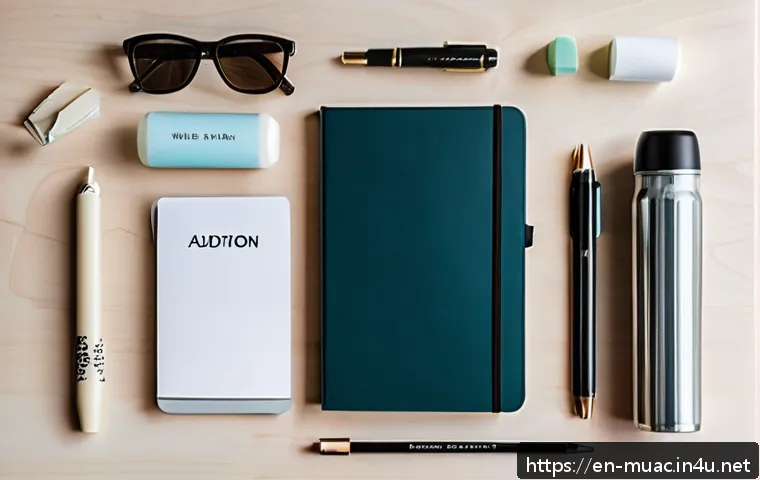
Don’t forget the small but essential items like water, lip balm, breath mints, and a lint roller. These might seem minor, but they can make a big difference in how you feel and present yourself.
I always carry a small kit with these items, plus a phone charger and a notebook for any notes during callbacks. Keeping your voice hydrated and your appearance fresh can boost your confidence in those long audition days.
Mastering Body Language and Stage Presence
Using Movement to Enhance Your Storytelling
Auditions aren’t just about singing; your body tells part of the story too. I’ve noticed that subtle gestures and purposeful movement can make your performance much more engaging.
Even simple steps or a well-timed glance can add layers to your character. Practice moving naturally with your song, avoiding stiffness or over-the-top motions that can seem forced.
This balance helps you appear both relaxed and compelling.
Eye Contact and Connection
Making eye contact with the panel or accompanist can feel intimidating but it’s a powerful tool. It shows confidence and helps you connect with your audience, even in a high-pressure room.
When I started focusing on this, I noticed the room warmed up to me instantly. If direct eye contact feels too intense, try looking just above the heads of the panelists or at friendly faces to maintain that sense of engagement.
Managing Nerves Through Breathing and Focus
Performance anxiety is real, and I’ve been there more times than I can count. Deep, controlled breathing before and during your audition helps calm your nerves and steady your voice.
I use a simple technique: inhale slowly for four counts, hold for four, then exhale for six. This kind of focused breathing centers your mind and body, letting you channel nervous energy into a dynamic performance.
Remember, a bit of adrenaline can actually sharpen your senses and presence on stage.
Optimizing Your Vocal Health
Daily Warm-ups and Vocal Care
Maintaining vocal health throughout audition season is essential. From personal experience, skipping warm-ups leads to strain and fatigue that can affect your performance.
I recommend gentle humming, lip trills, and scales every morning and before singing. Drinking plenty of water and avoiding caffeine or dairy before auditions keeps your voice clear and flexible.
Also, getting enough rest and avoiding shouting or whispering helps preserve your vocal cords for the big day.
Recognizing and Addressing Vocal Fatigue
If you feel your voice getting tired or hoarse, it’s important to listen and take a break. Pushing through vocal fatigue can cause long-term damage. I once ignored early signs and ended up sidelined for weeks.
Instead, try gentle steam inhalation or throat sprays to soothe irritation, and avoid talking unnecessarily. If problems persist, consult a voice specialist to prevent serious injury.
Incorporating Healthy Habits Beyond Singing
Good vocal health extends beyond singing alone. Staying hydrated, eating a balanced diet, and managing allergies or reflux can all impact your voice. I found that regular exercise improves my breathing capacity, which directly benefits my singing stamina.
Even simple lifestyle changes can make a noticeable difference in how your voice performs under pressure.
Perfecting Audition Etiquette and Mindset
Arriving Prepared and Punctual
Showing up early gives you time to settle in and mentally prepare, which can ease nerves. I always aim to arrive at least 20 minutes before my slot to check in, warm up, and observe the environment.
Being punctual demonstrates professionalism and respect for everyone’s time, which casting directors notice and appreciate.
Respecting the Panel and Fellow Auditionees
Audition rooms can be tense, but maintaining a positive attitude toward the panel and other performers sets you apart. I’ve seen how kindness and professionalism create a supportive atmosphere.
Greet everyone politely, avoid complaining about wait times, and stay focused on your own preparation. This mature approach leaves a lasting impression beyond just your performance.
Handling Rejection and Staying Resilient
Not every audition ends with a callback, and that’s part of the process. I’ve learned to treat each audition as a growth opportunity rather than a pass/fail test.
When you don’t get the role, reflect on what you can improve and keep honing your craft. Staying resilient and persistent is what eventually leads to success in this competitive field.
Essential Audition Day Checklist
| Item | Purpose | Tips |
|---|---|---|
| Resume & Headshot | Provides your professional info to casting directors | Bring multiple clean copies; update regularly |
| Sheet Music | Accompanist needs clear, marked music | Use a binder; mark cuts and repeats clearly |
| Water Bottle | Hydrates your vocal cords | Bring room temperature water; sip regularly |
| Lip Balm & Breath Mints | Maintains fresh appearance and breath | Use unscented balm; avoid strong mints |
| Comfortable, Appropriate Outfit | Supports your character without distracting | Choose neutral, flexible clothing and shoes |
| Notebook & Pen | For notes during callbacks or instructions | Keep handy and jot down feedback immediately |
| Phone Charger & Personal Items | Keeps your devices ready and personal comfort | Pack chargers and any meds or allergy remedies |
Conclusion
Mastering your audition process takes more than just talent—it requires thoughtful preparation, attention to detail, and a confident mindset. By carefully selecting songs, organizing your materials, and managing your presence on stage, you set yourself up for success. Remember, every audition is an opportunity to grow and showcase your unique strengths. Stay persistent, take care of your voice, and approach each experience with professionalism and passion.
Helpful Tips to Keep in Mind
1. Always choose audition songs that highlight your vocal strengths and personality rather than following trends.
2. Prepare two contrasting pieces to demonstrate versatility and keep casting directors engaged.
3. Record your rehearsals and seek honest feedback to refine your performance and boost confidence.
4. Organize all your audition materials neatly and dress appropriately to create a professional impression.
5. Prioritize vocal health with daily warm-ups, hydration, and mindful habits to maintain stamina throughout audition season.
Key Takeaways for Audition Success
Preparation is the foundation of a strong audition. Selecting the right repertoire, rehearsing with intention, and presenting yourself professionally all contribute to making a lasting impression. Equally important is managing nerves through breathing techniques and maintaining vocal health to deliver your best performance. Lastly, cultivating resilience and a positive attitude will carry you through the ups and downs of this competitive journey, turning challenges into opportunities for growth.
Frequently Asked Questions (FAQ) 📖
Q: uestionsQ1: How far in advance should I start preparing for a musical theater audition?
A: Ideally, start your preparation at least 4 to 6 weeks before the audition date. This gives you enough time to select the right songs, work on your vocal technique, and memorize your pieces thoroughly.
From my own experience, rushing last minute only adds to the nerves and can affect your performance. Spreading out your rehearsals allows your confidence to build naturally, so you walk into the audition room feeling calm and ready.
Q: What should I wear to a musical theater audition to make a good impression?
A: Dress in something comfortable but polished that allows you to move freely. Avoid overly casual clothing like sweatpants or graphic tees, but you don’t need to wear formal attire either.
Something like fitted jeans or leggings paired with a simple top works well. From personal experience, casting directors appreciate when you look put-together but still appear ready to perform without restrictions.
Also, keep your hair neat and makeup natural to highlight your features without distraction.
Q: How can I manage audition nerves and perform confidently under pressure?
A: Managing nerves is all about preparation and mindset. Before your audition, practice deep breathing exercises and visualize yourself succeeding on stage.
I’ve found that doing a quick warm-up routine and reminding myself that the casting panel wants me to succeed really helps. Also, try to shift your focus from fear of judgment to sharing your passion for the role.
This mental shift can transform anxiety into excitement, making your performance more genuine and compelling.