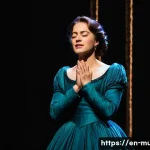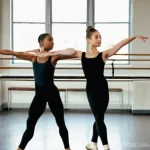
Hey there, fellow theater lovers and aspiring stage stars! It’s your go-to blog influencer here, and I’ve got to tell you, there’s nothing quite like the thrill of live musical theater, right?
From the moment the overture swells to the final curtain call, it’s pure magic. But for us performers, or those dreaming of stepping onto those hallowed boards, the world of musicals is incredibly diverse, demanding far more than just a powerful voice or dazzling dance moves.
I’ve personally found that truly excelling in this industry means understanding the nuanced heart and soul of every single genre you might encounter. The landscape of musical theater is constantly evolving, with new works pushing boundaries and revivals reimagining classics, making genre versatility more crucial than ever for today’s actors.
Whether you’re belting out a showstopper or delivering a poignant ballad, knowing your style – from classic Golden Age to contemporary rock opera – can truly make or break an audition, or even your entire career trajectory.
It’s not just about hitting the notes; it’s about inhabiting the world each genre creates. Speaking from my own journey, mastering these distinctions has been a game-changer, opening doors I never expected.
So, if you’re ready to elevate your craft and truly shine on stage, you’re in the right place. Let’s peel back the curtain and get a precise understanding of what makes each musical genre tick for us actors.
Mastering the Melodies of the Golden Age
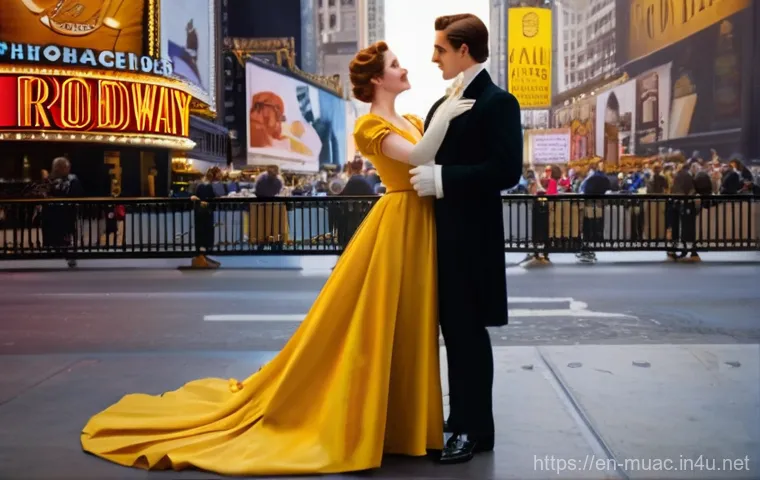
Stepping into the world of Golden Age musicals, roughly spanning the 1940s through the 1960s, feels like slipping into a beautifully tailored suit – classic, elegant, and demanding a certain poise. Think Rodgers & Hammerstein, Lerner & Loewe, and early Sondheim. From my experience, what sets these shows apart isn’t just the soaring orchestral scores, but the deep, often operatic vocal demands combined with an underlying earnestness in storytelling. You’re not just singing notes; you’re painting a picture with every sustained vowel and perfectly articulated consonant. I remember once auditioning for a classic role, thinking my contemporary belt would carry me through, only to realize midway through my song that I wasn’t serving the music’s inherent grace. It taught me a huge lesson: it’s about understanding the period, the social graces, and how people expressed emotion when perhaps directness wasn’t always the norm. The acting often requires a more refined, perhaps even a slightly stylized, approach that balances sincerity with a touch of theatrical flourish. It’s a delicate dance between grand emotions and understated delivery, and honestly, it’s incredibly rewarding when you hit that sweet spot. The sheer joy and sometimes profound sadness in these pieces are just timeless, and for us actors, it’s about honoring that legacy while still bringing our authentic selves to the stage. It’s not just about a pretty voice; it’s about embodying a different era with respect and understanding, making these stories feel fresh for a modern audience without losing their original charm. The precision in musicality, often requiring a gorgeous legato and a strong classical technique, is paramount, and it’s a skill set that truly elevates your overall artistry.
Embracing Classic Vocal Techniques
For Golden Age roles, vocal health and technique are absolutely non-negotiable. I’ve found that a strong foundation in classical singing is incredibly beneficial, even if you’re primarily a belter. The sustained lines, the intricate harmonies, and the sheer volume of the orchestrations mean you need breath support for days! It’s not just about hitting the high notes; it’s about sustaining them with beauty and control. When I was first starting out, I learned the hard way that trying to ‘belt’ a classic ballad the way I would a pop song just sounded… wrong. The vibrato, the color, the way you shape phrases – it all contributes to an authentic sound that serves the music. Think about how Julie Andrews or Shirley Jones approached their roles; there’s a lightness and clarity even in powerful moments. Developing a versatile vocal instrument that can navigate both legitimate and contemporary sounds is a superpower in this industry, and the Golden Age demands we flex those more classical muscles. My vocal coach always told me that working on classical pieces strengthens everything, making your contemporary singing even stronger and more resilient, and she was absolutely right.
Portraying Period-Appropriate Characters
Beyond the voice, acting in a Golden Age musical demands an understanding of historical context and character archetypes. These shows often feature clear heroes and heroines, villains, and comedic foils, and the storytelling can be more direct, yet with subtle emotional undercurrents. I remember preparing for a role in a classic musical, and my director encouraged me to watch films from the era, paying attention to body language, posture, and even how people carried themselves in social settings. It’s not about being a caricature, but about grounding your performance in an authentic understanding of the period. The emotions are universal, of course, but the expression of those emotions can be very different. You’ll often find characters grappling with societal expectations, class structures, and deeply held moral codes that might feel foreign to a modern sensibility. This is where your acting chops really come into play – making those period-specific struggles feel real and relatable to today’s audience, without compromising the integrity of the original text. It’s a wonderful challenge that stretches you as an actor, forcing you to think beyond your immediate modern experiences and truly inhabit another time.
Navigating the Nuances of Contemporary Musicals
The contemporary musical theater landscape is a vibrant, ever-changing beast, and honestly, I absolutely adore it. It’s where innovation truly thrives, blending diverse musical styles, pushing narrative boundaries, and often tackling complex, timely themes. From shows like Dear Evan Hansen to Hamilton or more recent Off-Broadway hits, what I’ve personally observed is that these works often demand a raw, almost naturalistic acting style that feels less “theatrical” and more like real life unfolding on stage. The vocal demands are incredibly varied too, ranging from pop/rock belting to intricate, speech-sung patter and even soulful R&B inflections. It’s less about a perfectly placed classical tone and more about authenticity and emotional grit. I once auditioned for a contemporary piece that required me to sing a very vulnerable, almost conversational ballad, and I realized my usual “audition voice” was too polished. They wanted to hear *me*, imperfections and all, and that was a massive revelation. It’s a space where your unique voice – both literally and figuratively – can really shine, provided you can adapt to its multifaceted demands. The storytelling is often non-linear, character motivations are deeply complex, and the music can shift genres within a single song, requiring incredible flexibility from us performers. This is where being a vocal chameleon truly pays off, allowing you to seamlessly transition between different stylistic demands while keeping your character’s emotional journey intact. For me, it’s the thrill of working on something new and resonant that keeps me coming back.
Developing a Modern Vocal Palette
To truly thrive in contemporary musicals, having a flexible and powerful modern vocal palette is key. This means being comfortable with a wide range of sounds – strong chest voice, nuanced mixed voice, and even some legitimate head voice, all used in a way that serves the pop/rock/R&B sensibilities of the music. I remember getting called back for a show that blended indie-rock with traditional musical theater, and they specifically asked if I could sing with a “grittier” edge. It pushed me out of my comfort zone, but it was an amazing opportunity to explore a different side of my voice. Beyond just hitting notes, it’s about understanding pop stylings: vocal runs, riffs, ad-libs, and even deliberate vocal breaks that add character and emotion. It’s also crucial to have excellent mic technique, as many contemporary scores are designed to be sung with heavy amplification, allowing for more intimate and subtle vocal choices. Learning how to navigate a microphone as an extension of your instrument, rather than something that just amplifies volume, is a game-changer. It permits you to explore dynamic contrasts and whisper-quiet moments that might otherwise be lost in a traditional acoustic setting, adding layers of authenticity to your performance.
Embodying Authentic, Relatable Characters
The acting style in contemporary musicals often leans heavily into realism, psychological depth, and sometimes even improvisation. Characters are frequently complex, flawed, and grappling with very modern issues, making them incredibly relatable to today’s audiences. From my own experience, directors are often looking for actors who can bring a raw, unvarnished honesty to these roles. It’s less about grand gestures and more about subtle reactions, truthful eye contact, and conveying a rich inner life. I’ve found that drawing on personal experiences, or observing real people in everyday situations, can be incredibly helpful in building these characters. For a recent audition, the material was so grounded in real-life teenage angst that I just had to strip away all my ‘acting’ and just *be* the character, focusing on the fear and hope that felt so palpable in the script. The emotional stakes are often incredibly high, and the audience needs to believe that these are real people facing real problems. This often means working deeply on character backstory, understanding their relationships with others on a very human level, and allowing yourself to be vulnerable on stage in a way that might feel less common in older works. It’s a wonderful opportunity to connect with an audience on a deeply personal and immediate level.
Unleashing Your Inner Rock Star: The Power of Rock Operas
When you hear “rock opera,” your mind probably conjures images of electric guitars, raw vocals, and explosive energy – and you wouldn’t be wrong! Think Jesus Christ Superstar, Rent, Spring Awakening, or American Idiot. For me, these shows are an absolute adrenaline rush. They demand a completely different kind of vocal and physical commitment. It’s not just about singing; it’s about channeling a primal energy, often with a vocal edge that might sound a little ‘rougher’ or more uninhibited than what you’d typically hear in a traditional musical. I remember doing a workshop for a new rock musical, and the director kept pushing us to find more “grit” in our voices, to let go of any pretense of ‘pretty’ singing, and instead focus on honest, visceral emotion. It felt liberating! The acting in these shows is often intense, highly physical, and can verge on the epic, reflecting the grandeur and emotional thrust of the rock music itself. These aren’t roles where you stand still; you’re often moving, interacting, and embodying characters who are living on the edge. It’s a fantastic challenge that really pushes your boundaries as a performer, inviting you to tap into a more rebellious, unbridled part of yourself. The stamina required is immense, both vocally and physically, as you’re often belting high-energy numbers while executing dynamic choreography. It’s a full-body, full-voice commitment that leaves you exhilaratingly exhausted after every performance, but the connection you make with the audience through that raw energy is truly unparalleled.
Cultivating a Dynamic Rock Vocal Approach
For rock musicals, your vocal technique needs to be robust enough to handle sustained belting, powerful chest voice, and sometimes even intentional distortion or vocal fry, all while maintaining vocal health. I’ve found that having a good vocal coach who understands contemporary and rock stylings is crucial here. They can teach you how to achieve those edgy sounds safely, without damaging your instrument. It’s about controlled release, not just yelling! Beyond the technique, it’s the attitude. A rock vocal isn’t just a sound; it’s an expression of defiance, passion, or angst. When I was preparing for a rock audition, I spent hours listening to my favorite rock bands, not just for the melodies, but for the vocal textures, the way lead singers would phrase their lines, and the raw emotion they poured into every syllable. It’s about embodying that spirit of rock and roll and letting it inform every note you sing. Sometimes, it means finding the beauty in the ‘imperfect’ or the raw, something that might feel counter-intuitive to classical training. This approach makes your performance resonate with genuine intensity and helps you stand out in a genre that thrives on authenticity and energetic delivery. It’s a powerful tool for self-expression that few other genres offer in quite the same way.
Embodying the High-Octane Rock Persona
Acting in rock operas often requires a fearless, larger-than-life presence. Characters are frequently rebellious, passionate, and dealing with massive internal and external conflicts. My experience has shown that directors want to see actors who aren’t afraid to commit fully to the emotional extremity of these roles. It’s about pouring your entire being into the performance, allowing yourself to be loud, angry, vulnerable, and completely uninhibited. Think about the iconic characters in Rent – they’re messy, flawed, and utterly human, living with incredible intensity. Physicality is also paramount; you’re often moving constantly, interacting dynamically with other performers, and expressing emotion through powerful body language. It’s less about subtle nuances and more about bold, impactful choices that match the energy of the music. I once had a director tell me, “If you’re not sweating, you’re not working hard enough for this show!” And honestly, they were right. It’s a physically demanding genre that calls for sustained energy and a willingness to explore the wilder, more untamed aspects of human experience on stage. When you connect with that unbridled spirit, both vocally and physically, that’s when a rock opera truly comes alive, creating an unforgettable experience for the audience.
The Intimacy and Nuance of Chamber and Concept Musicals
Moving from the bombast of rock operas, we often find ourselves in the delicate and profound world of chamber and concept musicals. These shows, like The Last Five Years, Company, or Fun Home, tend to be smaller in scale, often with fewer cast members and a more intimate band, but don’t let that fool you into thinking they’re any less impactful. In fact, I’ve personally found these can be some of the most challenging and rewarding pieces to work on because they demand such intense focus on character, lyrical detail, and the intricate relationships between people. The music might be complex, often weaving intricate harmonies and sophisticated melodies, but it’s typically in service of deep emotional storytelling rather than broad spectacle. Vocally, it’s less about power and more about precision, nuance, and conveying subtle emotional shifts through your voice. The acting is incredibly naturalistic, often feeling like a play set to music, where every glance, every breath, and every quiet moment speaks volumes. My experience working on a chamber piece taught me to really listen, not just to my scene partner, but to the silence, to the unspoken words, and to the emotional subtext that drives these delicate stories. It’s a wonderful space for actors who love to delve deep into character psychology and explore the complexities of the human heart without the need for grand gestures or massive production elements. These pieces often linger with you long after the final note, because they touch on universal truths in such a personal, immediate way.
Finessing Subtlety in Vocal Performance
When it comes to chamber and concept musicals, vocal prowess shifts from sheer power to exquisite control and emotional transparency. I’ve learned that every single word in these scores carries significant weight, so crystal-clear diction and intelligent phrasing are absolutely paramount. Think about Stephen Sondheim’s work – the lyrics are poetry, and you simply cannot mumble or gloss over them. The vocal lines themselves are often intricate, demanding a fantastic sense of pitch and harmony, sometimes requiring actors to hold a delicate balance within a small ensemble. It’s less about a huge belt and more about a beautifully supported sound that can convey vulnerability, anger, or quiet desperation with equal measure. I remember a director telling me during rehearsals for a chamber piece, “Your voice is a magnifying glass for your character’s soul; every tremor, every moment of breath, should tell us something.” It forced me to really explore the minutiae of vocal expression and understand how slight changes in timbre or dynamics could completely alter the meaning of a line. This genre truly refines your ability to communicate complex emotions with subtle vocal choices, making your performance incredibly compelling and deeply resonant.
Deepening Character Through Intimate Storytelling
Acting in chamber and concept musicals is all about the interior life of the character. With fewer distractions from large sets or huge ensemble numbers, the audience’s focus is acutely on the actors and their journeys. My personal approach to these roles always involves extensive character work: understanding their past, their unspoken desires, their fears, and their relationships in minute detail. The emotional stakes are often incredibly high, but the expression of those emotions can be very contained, demanding a powerful stillness and truthfulness. I recall a scene where my character had to deliver a monologue, and the director asked me to imagine I was simply thinking it aloud, not performing it. That shift in perspective completely changed my delivery; it became more authentic, more immediate, and far more powerful than any “acted” version I could have conceived. These shows thrive on moments of profound connection, whether it’s a quiet duet or a character’s internal monologue, and it’s our job as actors to make those intimate moments feel utterly real and deeply moving. It’s a wonderful opportunity to show the depth of your acting ability, proving that sometimes the smallest gesture can have the biggest impact.
Dancing Through the Decades: Mastering Movement-Heavy Shows
For those of us who love to move, the world of dance-heavy musicals is an absolute playground! From classic integrated musicals like West Side Story to more modern dance spectaculars such as A Chorus Line, Newsies, or even the innovative choreography of Hamilton, these shows demand a triple-threat performer who can sing, act, and dance with exceptional skill. Speaking from my own experience, these productions aren’t just about executing steps; the dance is often a crucial part of the storytelling, expressing emotions and advancing the plot in ways words alone cannot. I remember auditioning for a show where the dance call was three hours long, followed immediately by a singing and acting callback – it was a true test of stamina and seamless transition between disciplines. You need a strong foundation in various dance styles, from ballet and jazz to tap and contemporary, and the ability to pick up choreography quickly and accurately. But more than that, you need to understand *why* your character is dancing. Is it an expression of joy, anger, fear, or a desperate yearning? The movement must be imbued with the same emotional truth as your singing and acting. It’s incredibly demanding but also incredibly exhilarating when you feel your body telling the story as eloquently as your voice. These shows are a true testament to the power of physical storytelling in musical theater, and they push you to be a more complete and versatile performer, demanding a high level of physical intelligence and endurance.
Developing a Versatile Dance Repertoire

To excel in movement-heavy musicals, a broad and strong dance background is indispensable. I’ve found that having training in classical ballet provides a foundational understanding of body alignment, grace, and control that benefits all other styles. But then, you absolutely need to diversify! Jazz provides that theatrical flair and sharp attack, while contemporary dance offers emotional fluidity and expressive movement. Tap can be a secret weapon, not just for specific roles but for developing rhythm and musicality. When I’m preparing for an audition, I always try to take classes in a variety of styles, even ones I’m not strongest in, because you never know what a choreographer might ask for. It’s not just about mastering individual steps; it’s about being able to adapt to different choreographic styles and energies. A lot of directors and choreographers look for performers who can quickly learn and embody their unique movement vocabulary, so being a quick study in the dance studio is a massive asset. Remember, every style informs another, and the more fluent you become in the language of dance, the more opportunities will open up for you on stage.
Integrating Movement with Character and Story
The real magic in dance-heavy musicals happens when the movement isn’t just flashy steps but is deeply integrated with the character’s journey and the narrative. My experience has shown me that the best dance performances are those where you can see the character’s thoughts and emotions expressed through their body. This means approaching choreography not just as a series of steps to memorize, but as an extension of your acting. Why does your character move this way in this moment? What is their emotional state? How does the ensemble choreography reflect the group’s dynamics or the social commentary of the piece? For example, in West Side Story, the aggressive, stylized movements of the Sharks and Jets aren’t just cool dances; they embody the simmering tension, tribalism, and impending violence of their world. It’s about letting the music and the choreography inform your character’s internal life, and vice versa. This symbiotic relationship between movement, music, and character creates a truly unforgettable theatrical experience, where the story is told through every fiber of your being, leaving no doubt about the emotional weight and narrative progression of the scene. It’s a wonderful challenge that merges your physical and emotional capacities into one powerful stage presence.
Strategizing Your Audition Book: Genre-Specific Preparation
Okay, let’s get real about auditions, because this is where all your hard work in understanding genres truly pays off! Your audition book isn’t just a collection of songs; it’s a meticulously curated toolbox designed to showcase your versatility and understanding of the industry. From my time pounding the pavement and, thankfully, booking some amazing gigs, I’ve learned that having a diverse repertoire that hits all the major genre sweet spots is absolutely critical. You need your go-to Golden Age ballad, a killer contemporary belt, a legit classical piece, and a solid rock/pop number, perhaps even a comedic uptempo. It’s about having options at the ready so that no matter what the casting director throws at you – whether they ask for something “standard” or “something with a contemporary edge” – you’re prepared. I can’t tell you how many times I’ve seen actors struggle because their book was too niche or didn’t demonstrate their range. It’s not just about what you sing; it’s about how you present yourself, showing that you’ve done your homework and respect the specific demands of each genre. Knowing what kind of show you’re walking into and having a couple of options prepared *specifically* for that genre can give you a massive confidence boost, and trust me, casting directors notice that preparedness. It demonstrates not just talent, but also a professional understanding of the business, proving that you’re a thoughtful, adaptable performer ready for anything.
Curating a Dynamic and Diverse Repertoire
Building an effective audition book is an ongoing process, a continuous refinement of your personal musical theater identity. I always recommend having at least 16-20 contrasting songs fully memorized and well-rehearsed, with sheet music cut to 16-32 bars (the industry standard). This means having a selection that spans the different genres we’ve discussed – a Golden Age ballad that showcases your legato, a contemporary uptempo that highlights your pop sensibility, a rock song that demonstrates your grit, and perhaps something quirky or comedic that shows your personality. From my own experience, it’s not just about finding songs you sound good singing; it’s about finding songs that you *love* to sing and that truly represent you. When you genuinely connect with the material, it shines through in your performance. Furthermore, consider songs that are slightly less common but still appropriate for your type. Casting directors hear the same five songs endlessly, so a fresh choice that still highlights your strengths can be memorable without being obscure. Always consider your ‘type’ – are you a ingenue, a character actor, a leading man/woman? Pick songs that fit how you would typically be cast, but also one or two that show a slight stretch to demonstrate versatility. Regular coaching and feedback on your book are invaluable to keep it fresh and relevant to the current industry demands.
Tailoring Your Audition for Specific Genres
Once you have a diverse book, the next level of audition strategy is tailoring your choices for the specific show or casting breakdown. I always do my research before an audition – what genre is the show? Who is the creative team? What kind of vocal and acting styles are they looking for? For example, if I’m auditioning for a classic musical, I wouldn’t lead with my belty contemporary pop song. Instead, I’d open with a Golden Age piece that showcases my legit sound and ability to act within that style. Conversely, for a new rock musical, I’d pick a high-energy rock number that immediately establishes my vocal and physical edge. It’s about showing them you understand the world of *their* show. I learned this the hard way once when I sang a beautiful ballad from a Golden Age show for a contemporary pop musical audition. The feedback was polite but clear: “Lovely voice, but not what we’re looking for for this project.” It taught me to be more strategic and less precious about my ‘favorite’ songs. Be ready with contrasting options within the requested genre, and always have a ‘wild card’ up your sleeve – a song that showcases something uniquely you, just in case they want to see something completely different. This level of preparation not only increases your chances but also shows casting directors that you’re a smart, thoughtful, and adaptable performer, which is a massive asset in this competitive industry.
| Musical Genre | Key Vocal Stylings | Typical Acting Demands | Audition Preparation Focus |
|---|---|---|---|
| Golden Age (1940s-1960s) | Legit, operatic, clear diction, sustained lines, classical vibrato. | Period-appropriate poise, earnestness, controlled emotional expression, archetypal character work. | Classical technique, period research, clear storytelling. |
| Contemporary (1990s-Present) | Pop/Rock belt, R&B inflections, speech-singing, raw emotional authenticity, vocal flexibility. | Naturalism, psychological depth, vulnerability, relatable characters, modern sensibility. | Versatile vocal styling, truthful acting, mic technique, emotional honesty. |
| Rock Opera | Powerful chest voice, intentional grit/edge, sustained belting, high energy, raw emotion. | Intense physicality, fearless commitment, rebellious attitude, larger-than-life presence. | Vocal stamina, safe belting techniques, physical training, uninhibited emotional expression. |
| Chamber/Concept | Subtle nuance, precise diction, intricate harmonies, emotional transparency, controlled dynamics. | Deep character analysis, internal monologue, intimate connection, profound stillness, truthful reactions. | Lyric interpretation, emotional vulnerability, strong ensemble skills, subtle vocal control. |
Beyond the Stage: The Business of Being a Genre-Savvy Performer
Understanding musical genres isn’t just about what happens on stage; it’s deeply intertwined with the business side of being a working actor. Honestly, from my personal journey navigating this industry, I’ve learned that being genre-savvy makes you incredibly marketable. Casting directors and agents are constantly looking for performers who aren’t just talented, but also adaptable and versatile. If your resume shows that you can convincingly tackle both a classic Sondheim role and a contemporary Jukebox musical, you immediately open up so many more doors for yourself. This translates directly to more auditions, more callbacks, and ultimately, more opportunities to book work. It’s about presenting yourself as a performer who understands the specific needs of different productions and can seamlessly transition between them. This also impacts your networking! When you can speak intelligently about different shows and their stylistic demands, you come across as more knowledgeable and professional, which can lead to invaluable connections with directors, choreographers, and musical directors who appreciate a well-rounded artist. I’ve personally seen how a targeted approach to genre specialization in my early career allowed me to build a reputation as someone who could deliver across the board, which eventually led to consistent work. It’s not just about artistic fulfillment; it’s about strategic career development, making yourself an indispensable asset in a competitive field, and frankly, increasing your earning potential.
Building a Professional and Marketable Brand
In today’s interconnected world, your professional brand as an actor is more important than ever, and genre versatility plays a huge role in it. From my experience, potential employers, whether casting directors or producers, often look at your online presence, your headshots, and your demo reel before you even step into the audition room. Does your portfolio clearly communicate your range? Do your headshots show different ‘sides’ of you that could fit various genres? If you only have pictures that scream “Golden Age ingenue,” you might be overlooked for that gritty new rock musical, even if you have the talent. I always advise my friends in the industry to think strategically about how they market themselves. Create different demo reels – perhaps one showcasing your contemporary pop/rock sound and another highlighting your legit vocal abilities. Your website and social media should also reflect this versatility, subtly communicating that you’re a performer who can adapt and thrive in diverse theatrical landscapes. It’s about crafting a cohesive narrative about yourself that positions you as a valuable asset to any production, regardless of its genre. This thoughtful approach to personal branding not only gets you seen for more roles but also signals to the industry that you are a serious, strategic professional, which builds trust and confidence in your abilities.
Networking and Collaboration Across Genres
The musical theater community, while vast, is also incredibly interconnected. From my perspective, actively seeking out opportunities to work and collaborate across different genres has been incredibly beneficial for my career. Attend workshops or masterclasses focusing on specific styles you want to improve, whether it’s a contemporary belting workshop or a classical vocal intensive. Meet choreographers who specialize in movement-heavy shows, or musical directors known for their work in new, experimental pieces. These connections aren’t just about getting a job; they’re about learning, growing, and expanding your artistic network. I’ve found that some of the most inspiring collaborations have come from unexpected places, simply because I was open to exploring different styles and working with people who challenged my comfort zone. For instance, I once joined a small indie theater group for a fringe festival production of an experimental musical, and while it wasn’t a major gig, the people I met there later connected me to a big-name director for a much larger project. Embracing genre diversity makes you a more interesting collaborator and opens doors to a wider array of creative partnerships, fostering a thriving career that is both creatively stimulating and professionally rewarding. It’s about building relationships based on mutual respect and a shared passion for pushing the boundaries of musical theater, which is truly the most exciting part of this journey.
Wrapping Things Up
As we journey through the incredibly rich and diverse landscape of musical theater, it becomes abundantly clear that understanding genre isn’t just a niche skill; it’s a fundamental pillar of a successful, enduring career on the stage. From the soaring orchestrations of the Golden Age to the raw, visceral energy of rock operas, and the intricate emotional tapestries of chamber musicals, each style offers its own unique demands and immense rewards. I’ve personally found that the more I’ve delved into these different worlds, the more my own artistry has expanded, allowing me to connect with stories and characters in ways I never thought possible. This commitment to versatility and continuous learning isn’t just about booking the next gig; it’s about becoming a truly well-rounded, resilient, and deeply empathetic storyteller. The joy of navigating these varied melodies and narratives is truly what keeps us passionate, constantly pushing us to refine our craft and bring our most authentic selves to every single performance. It’s a challenging but incredibly fulfilling path, and I wouldn’t trade a single moment of this incredible journey for anything. Keep exploring, keep singing, and keep dancing through every beautiful era of musical theater that calls to your soul.
Useful Information to Know
1. Vocal Cross-Training is Your Superpower: Don’t just stick to one vocal style. Actively train in legitimate classical technique, strong contemporary belting, and even develop your R&B/rock edge. The more sounds you can produce safely and authentically, the more versatile and castable you become. This isn’t just about hitting notes; it’s about shaping your instrument to meet the evolving demands of the industry, keeping your options wide open for a variety of roles across different genres. My coach always says, “Every new skill is a new open door,” and that couldn’t be truer in musical theater.
2. Network Strategically and Genuinely: This business is built on relationships. Go to workshops, masterclasses, and industry events. Connect with casting directors, musical directors, and fellow performers on a human level. It’s not just about what you know, but who knows *you* and respects your work ethic and talent. A genuine connection can lead to an unexpected audition or a recommendation that changes your career trajectory. I’ve seen firsthand how a casual coffee chat turned into a major opportunity just because I’d previously built a rapport with someone in the room.
3. Your Audition Book is Your Business Card – Keep It Fresh: Don’t let your audition material get stale. Regularly review and update your song book with new pieces that showcase your growth and evolving strengths. Have options for every genre, meticulously cut to the standard 16-32 bars, and ensure you have backing tracks or sheet music readily available. Your book should tell a story about who you are as a performer *now*, not who you were five years ago. It’s a living document that needs constant care and attention, just like your career.
4. Embrace the Power of Digital Presence: In today’s world, your online brand is often your first audition. Ensure your website, social media, and online portfolios are professional, updated, and reflect your versatility. High-quality headshots, a strong demo reel (or multiple reels for different genres), and a clear, concise bio are non-negotiable. This is how you tell the world who you are and what you can do, even when you’re not in the room. I’ve heard stories where a casting director found an unexpected gem just by stumbling upon a performer’s incredibly curated Instagram.
5. Prioritize Self-Care and Mental Fortitude: The performing arts industry is a marathon, not a sprint, and it can be incredibly demanding both physically and emotionally. Develop routines for vocal health, physical fitness, and mental well-being. Burnout is real, and maintaining a positive mindset and resilience is crucial for long-term success. Surround yourself with a supportive community and remember your “why.” It’s easy to get lost in the competitive nature, but remembering your passion and taking care of yourself will keep you grounded and ready for whatever comes next.
Key Takeaways
So, if there’s one thing I hope you take away from our exploration of musical theater genres, it’s this: versatility is your greatest asset. Don’t pigeonhole yourself. Embrace the challenge of mastering diverse vocal techniques, from classical legit to contemporary belt, and develop a comprehensive dance vocabulary that allows your body to tell stories across various styles. Remember that acting truthfully within each genre’s specific context, whether it’s the refined poise of a Golden Age character or the raw intensity of a rock opera persona, is what truly elevates your performance. Strategically curate an audition book that showcases your breadth and adaptability, always tailoring your choices to the specific demands of the show you’re pursuing. Beyond the artistic, understand that being genre-savvy makes you a more marketable and professional performer, opening up more opportunities and connections within the industry. Continuous learning, genuine networking, and a strong digital presence are no longer optional but essential components of building a sustainable career. Ultimately, the more prepared and adaptable you are, the more profoundly you can connect with the timeless magic of musical theater, ensuring a career that is as rich and varied as the genres themselves.
Frequently Asked Questions (FAQ) 📖
Q: uestionsQ1: Why is understanding different musical theater genres so crucial for actors today?
A: This is where the rubber meets the road, isn’t it? I’ve seen so many talented folks with incredible voices stumble because they didn’t quite grasp the vibe of the piece they were auditioning for.
Personally, I’ve found that knowing your genres isn’t just about showing off; it’s about connecting with the material on a deeper level. When you understand the historical context, the vocal demands, and the storytelling conventions of, say, a Golden Age classic versus a contemporary rock opera, you’re not just singing notes – you’re embodying a world.
It’s like speaking a different dialect for each show! This versatility instantly signals to casting directors that you’re a thinking artist, not just a singer, and trust me, that makes you infinitely more castable.
It broadens your horizons immensely and keeps you relevant in an ever-evolving industry. For me, nailing the stylistic nuances of a Sondheim piece after just doing a modern pop musical felt incredibly empowering and definitely opened up new opportunities.
Q: What are the most common musical theater genres an actor should familiarize themselves with, and how do they differ?
A: Oh, this is a fantastic question because it’s where you start building your toolkit! From my experience, you’ll primarily encounter a few big ones. You’ve got your Golden Age Musicals (think Rodgers & Hammerstein, Lerner & Loewe) with their lush orchestrations, often operatic vocal styles, and typically classic, sweeping narratives.
Then there’s the rise of Concept Musicals (like Sondheim’s works), where the idea or theme is paramount, often challenging traditional structures, requiring sharp dramatic acting and often complex vocal lines.
Don’t forget Jukebox Musicals, which feature pre-existing popular songs woven into a new story – these demand that you capture the essence of the original artist while making the character your own.
And of course, the ever-popular Contemporary/Pop/Rock Musicals (think “Rent” or “Hamilton”), which often feature a more modern vocal aesthetic, a grittier acting style, and a focus on realism.
Each genre has its own specific demands: a Golden Age ballad requires a different emotional approach and vocal purity than belting out a rock anthem! I remember struggling a bit transitioning from a classic ingenue role to something in a grittier, contemporary piece, and it took a lot of listening and observation to truly ‘get’ the difference in acting style and vocal placement.
Q: How can an aspiring actor practically apply genre knowledge to improve their auditions and career?
A: This is where you really get to put your knowledge into action, and it’s something I absolutely swear by! First, listen, listen, listen! Immerse yourself in different cast recordings.
Don’t just hear the songs; feel the style. Pay attention to the vocal choices, the orchestrations, and the storytelling. Second, diversify your audition book.
Don’t just have ballads or up-tempos from one era. Make sure you have pieces that showcase your ability to move between Golden Age, contemporary, rock, and even comedic styles.
I’ve personally found that having a killer contemporary piece and a beautifully sung classic standard ready to go has saved me countless times. Third, research the show and the creative team.
Before any audition, dive into the show’s history and the director’s previous works. Are they known for a specific style? Are they adapting a classic in a new way?
This little bit of detective work allows you to tailor your performance, showing them you’ve done your homework and understand their vision. It’s not just about what you sing, it’s about demonstrating you get the world they’re trying to create.
It’s a genuine game-changer for standing out.