Hey everyone, it’s your favorite theatre enthusiast here, and let’s be real, the audition room can feel like stepping onto the world’s most intense runway!
You’ve poured your heart and soul into perfecting your vocals, mastering your monologues, and nailing every choreographic step. But then comes the moment of truth: what on earth do you wear to make that unforgettable first impression?
Trust me, I’ve been there – agonizing over every blazer and shoe choice, like the time I almost wore something that screamed ‘summer picnic’ instead of ‘Broadway ingenue.’ It’s a universal struggle for aspiring musical theatre actors, and frankly, a crucial one.
In today’s incredibly competitive industry, where casting directors are sifting through countless talented individuals, your appearance is often your very first line.
It’s not just about looking tidy; it’s about strategically conveying your unique personality, your professional demeanor, and even a subtle hint of the character you’re aiming for, all before you even sing a note.
A thoughtfully chosen outfit can dramatically elevate your confidence, ensure you’re remembered for all the right reasons, and truly help you stand out.
We’re moving beyond the days of simply blending in; now, it’s all about crafting a memorable visual narrative. So, how do we transform your audition wardrobe into your greatest asset rather than a silent hurdle?
Let’s uncover the definitive guide to acing your audition style below!
Crafting Your Visual Narrative: More Than Just Clothes
First Impressions That Last Beyond the Callback List
Alright, let’s get real for a sec. We all know that feeling when you walk into an audition room. It’s like a high-stakes game of charades, but instead of guessing words, they’re trying to figure out if you’re the missing piece to their theatrical puzzle.
And before you even open your mouth, your outfit is doing a lot of the talking. It’s not just about looking “nice”; it’s about telling a story, your story, before you even sing a note or say a line.
I remember one time, I showed up to an audition for a classic ingénue role, and I had, for some inexplicable reason, decided to go with a slightly avant-garde top.
Big mistake. Huge. The casting director, bless their heart, kept glancing at it, and I could practically feel my chances evaporating with every bewildered look.
It really hit home that your clothes are an extension of your professionalism and your understanding of the industry. You’re essentially curating your personal brand, and every single item you choose for that room speaks volumes.
It’s about projecting confidence, competence, and a keen awareness of the role you’re pursuing, all while staying true to your authentic self. Think of it as your silent monologue – it’s powerful, it’s persuasive, and it sets the stage for everything else you’re about to deliver.
Decoding the Dress Code: Finding Your Authentic Audition Style
So, how do you strike that perfect balance between looking professional and expressing your unique personality? It’s a tightrope walk, but totally doable.
The key is to understand the general vibe of the show and the role, and then infuse that understanding with your personal flair. For instance, if you’re going for something contemporary and edgy, a sleek, well-tailored jumpsuit might be amazing, but for a Golden Age musical, a classic dress or well-fitted trousers and a blouse would be more appropriate.
It’s about being versatile and having a few go-to pieces that make you feel like a million bucks. I’ve learned that comfort is paramount – if you’re tugging at your skirt or constantly adjusting your top, it’s going to distract you, and more importantly, it’s going to distract the panel.
My rule of thumb? If I can’t move freely, sing with a full breath, and generally forget I’m wearing it, it’s out. Your authentic style should shine through, but always within the parameters of the industry’s unspoken rules.
It’s your chance to show them who you are, without ever saying a word.
The Palette of Performance: Strategic Color Choices
Beyond Black: Leveraging Hues for Impact
Let’s talk color, because trust me, it’s a game-changer. While black is undeniably sleek and professional, sometimes it can make you blend into the background.
And in an audition room, blending in is the last thing you want to do! I’ve experimented with this quite a bit. There was a time I almost exclusively wore black, thinking it made me look sophisticated.
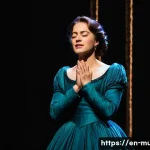
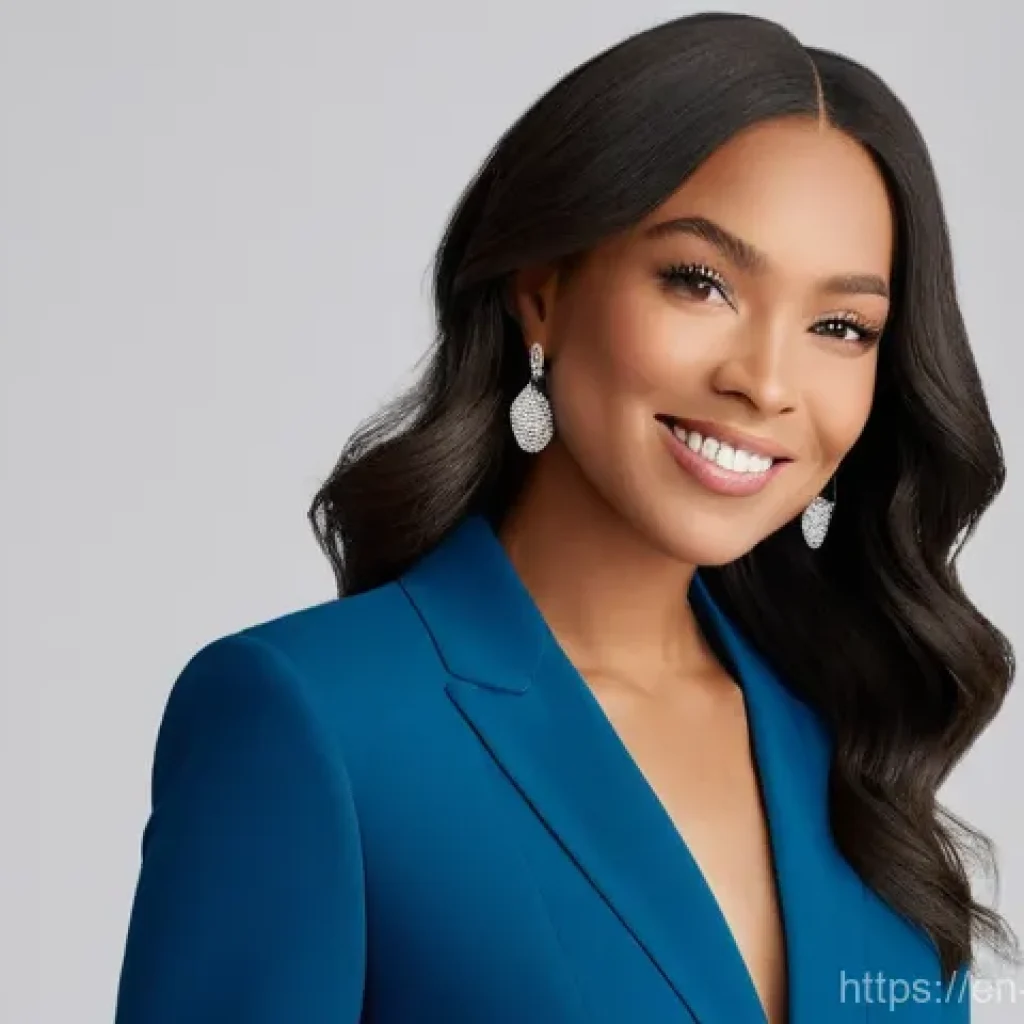
But then, I tried a beautiful sapphire blue dress for a dramatic role, and the feedback was incredible. The director specifically mentioned how the color made me “pop” and added a certain vibrancy to my performance.
It wasn’t just about the dress; it was about the psychological impact of the color. Think about it: a warm coral might convey approachability and energy for a comedic role, while a deep emerald green could suggest confidence and sophistication for a more serious character.
It’s like painting your personality onto your canvas, letting the colors do some of the heavy lifting. Don’t be afraid to step out of your comfort zone, but always ensure the color complements your skin tone and doesn’t overpower you.
Subtle Statements: Patterns, Textures, and Your Unique Sparkle
Beyond solid colors, there’s a whole world of patterns and textures waiting to be explored. Now, I’m not talking about anything too wild or distracting – think subtle.
A blouse with a delicate floral pattern or a skirt with a gentle, woven texture can add depth and interest to your outfit without screaming for attention.
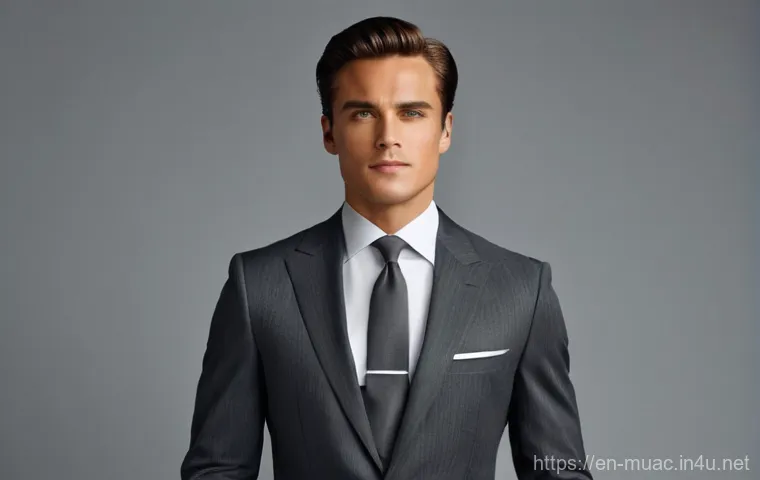
It shows a thoughtful approach to your appearance, a subtle nod to your individuality. I once saw an actor wear a suit with a very fine pinstripe – it was classic, yet distinctly modern, and really enhanced his presence.
The key is balance. If you go with a patterned top, keep the bottom simple. If your dress has an interesting texture, avoid overly busy accessories.
It’s about creating harmony, a visual symphony where every element supports your overall image. Remember, these small details are often what stick in a casting director’s mind, making you memorable for all the right reasons.
The Unsung Heroes: Footwear and Accessories
Stepping Up Your Game: The Power of the Right Shoes
Okay, let’s talk feet. Seriously, your shoes are so much more than just something to walk in; they complete your look and, crucially, affect your confidence and movement.
I’ve made the mistake of wearing uncomfortable shoes to an audition – beautiful heels, but they pinched my toes something fierce. All I could think about during my dance call was the pain, and it definitely showed in my performance.
Never again! Now, I always opt for shoes that are not only stylish but also incredibly comfortable and practical for movement. For women, a classic pump with a moderate heel (think 2-3 inches) is often perfect.
It elongates the leg and adds polish without being a trip hazard during a dance call. For men, well-maintained dress shoes are a must. Avoid anything too casual like sneakers unless specifically instructed.
Your shoes should be clean, polished, and free of scuffs. They demonstrate attention to detail and a professional attitude.
Accessorize, Don’t Over-Accessory: Less is Often More
Accessories are like the punctuation marks of your outfit. They can add flair, personality, and a touch of individuality, but too many, and your message gets lost in the clutter.
Think minimalist elegance. A simple necklace, a pair of stud earrings, or a classic watch can elevate your look without being distracting. I learned this the hard way after wearing an armful of bangles to an audition – they clanked with every movement, and I spent half my song trying to keep them quiet!
It was embarrassing. Now, I stick to one or two carefully chosen pieces that complement my outfit rather than compete with it. For men, a tasteful watch or a subtle tie can add a professional touch.
The goal is to enhance your appearance, not overshadow it. Let your talent be the star, and let your accessories be the supportive ensemble.
Fabric Fables: Comfort, Confidence, and Character
Choosing Materials That Move With You, Not Against You
This might sound obvious, but the fabric of your audition attire is incredibly important. You’re going to be singing, dancing, moving, and expressing a whole range of emotions, and your clothes need to support you, not restrict you.
I’ve made the mistake of wearing a beautiful but unforgiving material that felt like a straightjacket every time I tried to take a deep breath. It completely stifled my performance and made me feel tense.
Now, I prioritize fabrics that have a bit of stretch, are breathable, and don’t wrinkle easily. Think quality blends, ponte knit, or even a good quality cotton sateen.
These materials allow for freedom of movement, help you stay comfortable under the lights (and the pressure!), and generally look polished throughout your audition.
You want to feel at ease, so you can focus entirely on your performance, not on how your outfit is behaving.
Wrinkle-Free Wonders: Looking Polished from Start to Finish
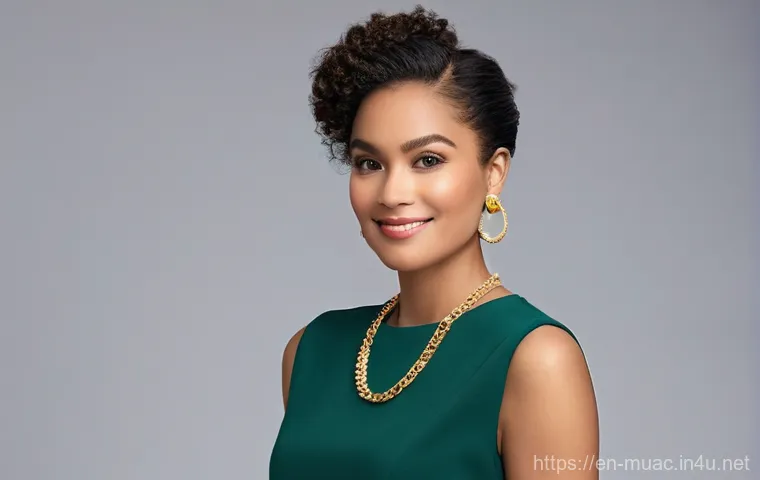
There’s nothing worse than arriving at an audition looking like you just rolled out of bed, especially after a long commute or a frantic costume change.
This is where wrinkle-resistant fabrics become your best friend. Materials like certain synthetic blends, high-quality knits, or even wool blends can withstand travel and look crisp even after hours in a bag.
I always do a quick “wrinkle test” before I buy anything for auditions – if it creases too easily when I scrunch it, it’s a no-go. The goal is to maintain a professional and put-together appearance from the moment you step into the building until you leave.
This shows respect for the casting team and for the opportunity itself. A crisp, neat appearance instantly signals that you are detail-oriented and take your craft seriously, which is exactly the impression you want to make.
Beyond the Ensemble: The Subtle Art of Grooming
Hair and Makeup: Polished Perfection Without Distraction
Now, let’s talk about the finishing touches – your hair and makeup. These are crucial elements that contribute significantly to your overall presentation.
For women, the goal is polished but natural. Think stage makeup that enhances your features without being too heavy or distracting. A defined eye, a touch of blush, and a flattering lip color can make all the difference.
I’ve found that a little more than “everyday” makeup helps you look vibrant under the audition room lights, but you still want them to see *you*, not a mask.
And hair? Keep it neat and out of your face. Whether it’s tied back in a sleek ponytail, a neat bun, or styled beautifully around your shoulders, ensure it won’t interfere with your movement or your sightlines.
For men, a clean shave or a well-groomed beard is essential. Hair should be styled neatly and not fall into your eyes. It’s all about looking put-together and ready to command the stage, showing that you pay attention to every detail of your craft.
The Silent Language of Cleanliness and Presentation
This might seem basic, but it’s often overlooked: personal hygiene and overall neatness are non-negotiable. Freshly laundered clothes, clean nails, and a subtle deodorant (no overpowering perfumes or colognes, please!) all contribute to a positive impression.
I remember hearing a story from a casting director about an incredibly talented singer who, unfortunately, had a noticeably wrinkled shirt and seemed a bit disheveled.
While talent always wins out in the end, that initial impression created a slight hesitation. You want to eliminate any potential distractions or reasons for someone to focus on anything other than your talent.
Everything about your presentation should convey respect for the process and a commitment to excellence. It’s about projecting an image of someone who is reliable, professional, and ready to be an asset to their production.
Understanding the Audition Room Vibe: Tailoring Your Look
Researching the Production: Context is King
This is where your inner detective comes out! Before you even pick an outfit, do your homework on the production and the characters. Are you auditioning for a gritty, contemporary drama or a classic Rodgers and Hammerstein musical?
The tone of the show should absolutely influence your wardrobe choices. I once had an audition for a very avant-garde, immersive theatre piece, and I completely threw out my usual “classic” audition look.
Instead, I opted for something more modern and a bit edgier, a dark fitted top with interesting asymmetrical details. It paid off because it showed I understood the aesthetic they were going for.
If you’re unsure, a quick search for the director’s past work or the general style of the company can provide invaluable clues. It’s about showing them you’ve done your research, you understand their vision, and you’re already thinking like a member of their creative team.
The Character Connection: Subtly Hinting at the Role
While you never want to wear a full costume, you can certainly incorporate subtle elements that hint at the type of character you’re going for. If you’re auditioning for a sassy, confident role, perhaps a bolder color or a slightly more structured silhouette.
For a sweet, innocent character, softer fabrics and pastel tones might be more fitting. I’m not saying dress *as* the character, but dress in a way that evokes the *essence* of the character.
For example, when I audition for period pieces, I might wear a dress with a higher neckline or a skirt with a fuller, more classic silhouette, even if it’s a modern garment.
It subtly primes the casting director’s imagination. This shows not only your preparedness but also your creative insight, proving that you’re already thinking about the role’s visual language.
It’s a powerful, non-verbal way to communicate your potential.
| Audition Wardrobe Do’s | Audition Wardrobe Don’ts |
|---|---|
| Choose comfortable, well-fitting clothes that allow free movement. | Wear anything too tight, too baggy, or restrictive. |
| Opt for professional and clean attire, wrinkle-free. | Arrive in wrinkled clothes, or anything with visible stains/frays. |
| Select colors that complement your skin tone and make you stand out subtly. | Choose overly bright, distracting patterns or colors that clash. |
| Wear polished, comfortable shoes suitable for movement. | Wear brand-new, untried shoes or anything uncomfortable/unstable. |
| Keep accessories minimal, tasteful, and non-distracting. | Over-accessorize with noisy jewelry or anything that draws attention away from you. |
| Ensure hair is neat and styled away from your face. | Have messy hair or hair that constantly needs adjusting. |
| Apply natural, polished makeup that enhances your features. | Wear heavy, theatrical makeup or no makeup at all (for women). |
| Research the show’s style and character type to inform your choices. | Ignore the specific requirements or tone of the production. |
Wrapping Things Up
So, there you have it, folks! Crafting your audition look is so much more than just picking out clothes; it’s an integral part of your performance and personal branding. Every choice, from the fabric of your dress to the polish on your shoes, sends a message before you even utter a word. It’s about empowering yourself to walk into that room radiating confidence, competence, and a genuine connection to the role, setting the stage for your talent to truly shine. Make every detail count, because in this industry, first impressions are everything.
Good to Know Tips
1. Do a Full Dress Rehearsal: Always, always, always try on your full audition outfit, including shoes and any accessories, at home a few days before. Move around, sing, dance – whatever your audition calls for. You’ll quickly discover if anything pinches, restricts, or creates an unexpected distraction. Trust me, finding out your top rides up when you raise your arms is better done in your living room than in front of the casting panel!
2. Consider the Room’s Lighting: Audition rooms often have bright, sometimes harsh, lighting that can make colors appear different or wash you out. When choosing colors, think about how they’ll look under those lights. Sometimes a slightly deeper hue will pop more than a pastel that might fade away. A quick mirror check under different light sources at home can be a real eye-opener.
3. The Power of a “Go-Bag”: Prepare a small bag with audition day essentials: a mini sewing kit for last-minute snags, a lint roller, safety pins, extra tights/socks, breath mints, a compact mirror, and maybe even a small snack and water. Being prepared for anything that comes your way helps keep your stress levels down.
4. Get a Second Opinion (Wisely): It’s always a good idea to show your chosen outfit to a trusted friend or mentor who understands the industry. They might spot something you missed or offer a fresh perspective on whether it truly reflects the role or your professional image. Just be sure to pick someone whose advice you genuinely value!
5. Invest in Versatile Staples: Building a wardrobe of high-quality, comfortable, and versatile pieces will save you so much stress in the long run. A classic dress that can be styled differently, well-fitting trousers, and a few good blouses are worth the investment. Think mix-and-match possibilities that can adapt to various audition types.
Key Takeaways
Ultimately, your audition wardrobe is your secret weapon, a powerful tool in your acting arsenal. It’s about making conscious choices that align with the role, your personal brand, and the professional standards of the industry. Remember, comfort is non-negotiable; if you’re not at ease, it’ll show. Your chosen attire should empower you, allowing your talent to take center stage without any wardrobe malfunctions or distractions. Focus on polished presentation, subtle storytelling through color and style, and meticulous grooming. By paying attention to these details, you’re not just dressing for an audition; you’re dressing for success, demonstrating your dedication and respect for your craft and the opportunity ahead. Let your outfit amplify your confidence and leave a lasting, positive impression that resonates long after you’ve left the room.
Frequently Asked Questions (FAQ) 📖
Q: Is it always a good idea to dress like the character I’m auditioning for, or should I just stick to general audition attire?
A: Oh, this is such a classic question, and honestly, one I’ve wrestled with so many times myself! While it might feel tempting to show up in full Rent-era ripped jeans for Mimi or a ballgown for Cinderella, my personal experience (and quite a few casting director friends’ insights!) tells me that going full costume is generally a big no-no.
It can actually be distracting and sometimes even limit how they see you for other roles. Think of it this way: your job is to show them you, the incredibly versatile actor, not a literal interpretation of the character.
What I’ve found works best is to give a nod to the character or the show’s aesthetic, but always through your own personal style. For instance, if I were auditioning for a classic golden age musical, I might wear a dress with a flattering silhouette or a well-tailored blouse and skirt in a soft, elegant color.
For something more contemporary and edgy, maybe a sleek jumpsuit or a sharp blazer with dark jeans (if appropriate for the specific audition context, of course!).
The key is to convey the vibe without losing you. It’s about subtly hinting at the world of the show while still presenting yourself as a professional, adaptable artist.
Remember, they want to see how you fit into their vision, not just a carbon copy of what’s already in their heads. Trust your gut and lean into clothes that make you feel like the most confident, character-adjacent version of yourself, without going overboard!
Q: What are some universal ‘do’s and ‘don’ts’ for audition outfits that pretty much always work, regardless of the show?
A: This is where we get down to brass tacks, and trust me, having a few reliable rules in your back pocket can save you so much pre-audition stress! From my countless hours in audition rooms, here’s what I’ve learned truly makes a difference.
For the ‘Do’s’:
Do Choose Comfort AND Confidence: This is paramount! If you’re tugging at your skirt or constantly adjusting your top, it’s going to show.
Pick an outfit that allows you to move freely, breathe deeply, and feel absolutely fantastic. When you feel good in what you’re wearing, that confidence shines through and becomes part of your performance.
Do Think “Elevated Casual” or “Business Smart”: For most musical theatre auditions, you want to hit that sweet spot. For women, a well-fitting dress, a stylish skirt and blouse combo, or tailored trousers with a chic top are often perfect.
For men, pressed slacks or dark, neat jeans with a smart button-down shirt or a fitted polo usually do the trick. A blazer can often elevate any look, too!
Do Prioritize Cleanliness and Fit: Seriously, this seems obvious, but it’s critical. Your clothes should be clean, wrinkle-free, and fit you well – not too baggy, not too tight.
It shows you pay attention to detail and respect the opportunity. Do Opt for Muted Colors or Strategic Pops: Jewel tones, pastels, or classic neutrals like navy, grey, and black are generally safe bets.
If you love a pop of color, incorporate it subtly, perhaps with an accessory or a top under a neutral jacket. And now for the ‘Don’ts’:
Don’t Wear Anything Too Revealing or Distracting: This includes super short skirts, plunging necklines, overly busy patterns, or anything with excessive glitter or sequins.
The focus should be on your talent, not your attire. Don’t Go Overboard with Accessories: A simple necklace, subtle earrings, or a classic watch are fine.
Avoid chunky jewelry that makes noise or bright, clanky bangles that might distract from your singing or monologue. Don’t Wear Strong Scents: Perfume, cologne, or even heavily scented lotion can be a major distraction or even an allergen for others in the room.
Keep it neutral! Don’t Forget About Your Shoes: Make sure they’re comfortable enough to walk and potentially dance in, clean, and complement your outfit.
For women, a small heel or a classy flat is usually ideal. For men, smart dress shoes or clean loafers. Avoid flip-flops, sneakers (unless it’s a specific dance call where they are requested!), or anything that looks overly casual.
Following these guidelines has always served me well, helping me feel polished and prepared without overshadowing my performance.
Q: How do I choose an outfit that truly reflects my unique personality without looking unprofessional or like I’m trying too hard?
A: Ah, the eternal quest to showcase your authentic self while still being taken seriously! This is probably one of the trickiest parts of audition attire, but also one of the most rewarding when you get it right.
From my own experiences, trying to stuff myself into a “typical” audition outfit that didn’t feel like me always made me feel stiff and inauthentic. It’s like wearing someone else’s shoes – you just don’t move the same way.
The secret sauce here is balance. You want to infuse your personality into your professional presentation. Start by thinking about your “brand” as a performer.
Are you quirky, elegant, edgy, classic, vibrant? Once you have a sense of that, consider how you can translate it into your clothing choices in a subtle, sophisticated way.
For instance, if you’re someone who loves vintage styles, maybe you choose a dress with a retro silhouette but in a modern fabric, or a classic tweed blazer.
If your personality is more vibrant, perhaps you pick a blouse in your favorite bright color paired with neutral trousers, or a patterned tie if you’re a guy.
It’s about finding those small, intentional touches that say, “This is me,” without screaming for attention. I remember once for an audition, I knew I wanted to convey a playful yet sophisticated energy.
Instead of my usual black dress, I chose a beautifully tailored navy jumpsuit that had a really unique neckline. It felt modern, chic, and totally me, allowing my personality to shine through before I even opened my mouth.
The key is that the clothes should enhance you, not overshadow you. When you feel genuinely good in what you’re wearing – because it resonates with who you are – that confidence is infectious and instantly makes you more memorable for all the right reasons.
Experiment a little in your wardrobe, see what makes you feel like the best version of you, and then bring that polished self into the room!