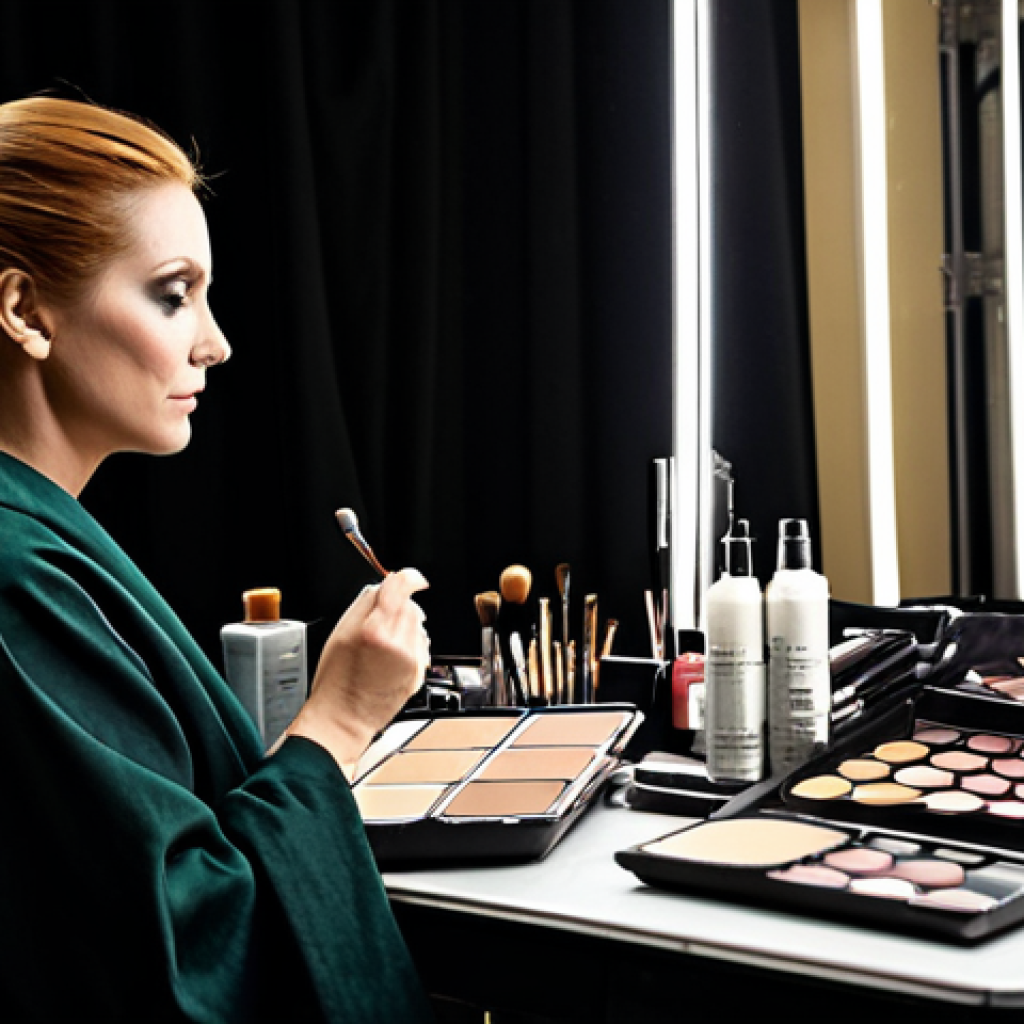
Ever wondered how musical theatre performers achieve that flawless, captivating look on stage, night after night? It’s more than just slapping on some foundation; it’s a carefully crafted illusion designed to withstand bright lights, sweat, and the scrutiny of a live audience.
From contouring that sculpts the face to eye makeup that pops from the back row, these artists are masters of disguise. Having spent years backstage myself, I’ve seen firsthand the transformative power of makeup in bringing characters to life.
It’s a blend of artistry and practicality, a true skill honed through years of experience. The trends are even evolving with advancements in long-wear formulas and techniques tailored for HD cameras, ensuring performers look their best both on stage and in streamed performances.
This is what I’ve learned from watching and being around stage performances. Let’s get the details right here!
Mastering the Base: Foundation and Complexion Perfection
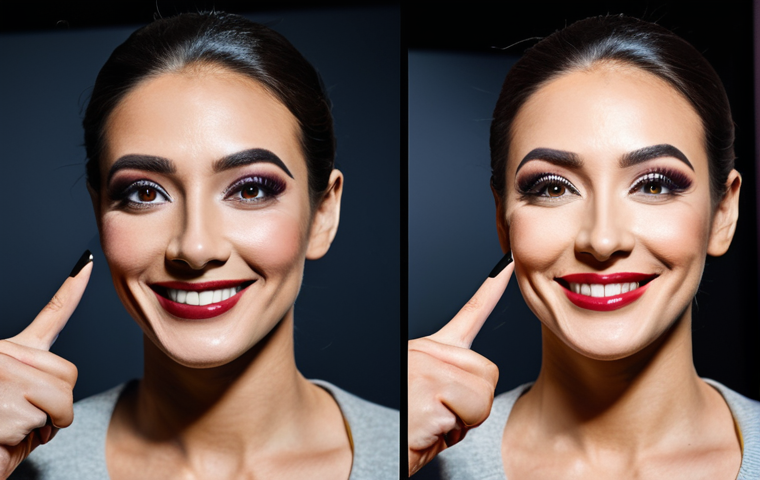
Achieving a flawless complexion is the bedrock of any stage makeup look. It’s not just about covering blemishes; it’s about creating a smooth, even canvas that will hold up under harsh lighting and allow the rest of the makeup to shine.
Through trial and error, I’ve learned that the key is selecting the right foundation formula and color for the performer’s skin type and tone. For example, in “Wicked,” the ensemble cast required foundations that could withstand heavy perspiration while maintaining a vibrant, youthful glow.
I relied heavily on long-wear, oil-free formulas that wouldn’t clog pores or slide off mid-performance. Setting powders are also essential, but the trick is to use them strategically – focusing on areas prone to shine, like the T-zone, while avoiding a cakey, matte finish that can look unflattering under stage lights.
Understanding Foundation Formulas
There’s a dizzying array of foundation formulas available, each with its own pros and cons. Cream foundations offer excellent coverage and a dewy finish, making them ideal for drier skin types or performers who need a radiant look.
Liquid foundations are versatile and can be built up from sheer to full coverage, making them a great choice for most skin types. Powder foundations are best suited for oily skin, as they help to absorb excess oil and create a matte finish.
Stick foundations are convenient for touch-ups and offer good coverage, but they can be prone to creasing if not applied properly. Personally, I prefer liquid foundations for their versatility and ability to blend seamlessly into the skin.
The Art of Color Matching
Color matching is crucial for achieving a natural-looking complexion. The goal is to find a foundation shade that matches the performer’s skin tone as closely as possible.
When testing shades, it’s important to apply the foundation to the jawline and blend it out to see how it looks in natural light. Avoid testing shades on the back of the hand, as the skin tone there is often different from the face.
Consider the undertones of the skin – is it warm, cool, or neutral? Warm undertones tend to have a golden or yellow hue, while cool undertones have a pink or blue hue.
Neutral undertones are a balance of both. Choose a foundation that complements the undertones of the skin for a seamless match.
Sculpting the Face: Contouring and Highlighting Like a Pro
Contouring and highlighting are essential techniques for sculpting the face and adding dimension under the harsh glare of stage lights. I will never forget working on a production of “Chicago” where the choreography was so strenuous that the actors were practically swimming in sweat.
The contouring and highlighting had to be bulletproof. I found that cream products, when set with powder, offered the best longevity and allowed the performers’ features to pop even under the sweatiest conditions.
Remember, the goal is to enhance the natural bone structure and create shadows and highlights that mimic the way light naturally falls on the face.
Cream vs. Powder Products
When it comes to contouring and highlighting, there are two main types of products: creams and powders. Cream products offer a more natural, dewy finish and are ideal for drier skin types.
They blend seamlessly into the skin and can be built up for more intense definition. Powder products offer a matte finish and are best suited for oily skin.
They are easier to blend and control, but can sometimes look cakey if overapplied.
Highlighting Strategies
Highlighting is all about bringing light to the high points of the face. This includes the cheekbones, brow bone, bridge of the nose, and Cupid’s bow.
Use a highlighter that is one to two shades lighter than the skin tone and has a subtle shimmer. Avoid using highlighters that are too glittery or sparkly, as they can look unnatural under stage lights.
When applying highlighter, use a light hand and blend well to avoid harsh lines.
Eyes That Captivate: Mastering Stage-Worthy Eye Makeup
The eyes are the windows to the soul, and in musical theatre, they need to be seen from the back row! I recall one particular production of “Aida” where the lighting was so intense that the actors’ eye makeup would practically disappear unless we went bold.
We experimented with layering different shades of eyeshadow and using vibrant pigments to make their eyes pop. The key is to choose colors that complement the performer’s eye color and create a look that is both dramatic and flattering.
Selecting the Right Colors
When choosing eyeshadow colors, it’s important to consider the performer’s eye color and the overall aesthetic of the show. For blue eyes, warm shades like bronze, copper, and gold can make them appear even bluer.
For green eyes, purple, plum, and mauve shades can bring out their vibrancy. For brown eyes, almost any color will work, but jewel tones like emerald green, sapphire blue, and amethyst purple can be particularly stunning.
Techniques for Long-Lasting Wear
Stage makeup needs to last through hours of performance, sweat, and costume changes. To ensure that eye makeup stays put, start with an eyeshadow primer.
This will create a smooth base for the eyeshadow and prevent it from creasing or fading. Next, apply a base color all over the lid, followed by darker shades in the crease and outer corner.
Blend well to avoid harsh lines. Finish with a waterproof eyeliner and mascara to define the eyes.
Lips That Speak Volumes: Creating the Perfect Pout
A bold lip is a classic stage makeup look that can instantly transform a performer’s appearance. The right lip color can enhance their features, convey emotion, and draw the audience’s attention.
However, finding a lipstick that can withstand hours of singing, dancing, and dialogue can be a challenge. I will never forget doing “Grease” and needing the perfect red for the female lead and something that was kiss-proof!
We found a long lasting matte liquid lip stain that did the trick.
Choosing the Right Formula
When it comes to lipstick formulas, there are several options to choose from, including matte, satin, gloss, and cream. Matte lipsticks offer the longest wear and are ideal for stage performances, as they won’t smudge or transfer easily.
Satin lipsticks have a slight sheen and are more comfortable to wear than matte lipsticks. Glossy lipsticks add shine and dimension to the lips, but they tend to be less long-lasting.
Cream lipsticks offer a balance of hydration and color payoff, but they can be prone to smudging.
Lip Liner is Your Best Friend
Lip liner is an essential tool for creating a defined and long-lasting lip look. Choose a lip liner that matches the lipstick shade as closely as possible.
Start by lining the outer edges of the lips, following their natural shape. Then, fill in the entire lip with the lip liner. This will create a base for the lipstick and help it to adhere better.
The Final Touches: Setting Sprays and Touch-Ups
No stage makeup look is complete without a generous spritz of setting spray. Setting spray helps to lock in the makeup and prevent it from fading, smudging, or transferring.
It also helps to control oil and keep the skin looking fresh and matte. I always recommend having a touch-up kit on hand for quick fixes during intermission or between scenes.
This kit should include blotting papers, powder, lipstick, and eyeliner.
Different Types of Setting Sprays
There are several types of setting sprays available, each with its own benefits. Matte setting sprays help to control oil and create a matte finish. Dewy setting sprays add hydration and give the skin a radiant glow.
Long-lasting setting sprays are designed to keep makeup in place for hours. Choose a setting spray that is appropriate for the performer’s skin type and the desired look.
Touch-Up Techniques for Longevity
Even with the best setting spray, makeup can still fade or smudge throughout a performance. To keep the makeup looking fresh, blotting papers can be used to absorb excess oil without disturbing the makeup.
Powder can be used to touch up areas that are prone to shine. Lipstick and eyeliner can be reapplied as needed.
Adapting to Different Lighting Conditions
One of the biggest challenges of stage makeup is adapting to different lighting conditions. Stage lighting can be harsh and unforgiving, so it’s important to adjust the makeup accordingly.
For example, bright white lights can wash out the skin, so it’s important to use more color and definition. Dim or colored lights can make the skin look dull, so it’s important to use highlighting and shimmer to add dimension.
Understanding Color Temperature
Color temperature refers to the warmth or coolness of light. Warm light has a yellow or orange hue, while cool light has a blue or violet hue. Stage lighting often uses a combination of warm and cool lights, so it’s important to understand how these different colors can affect the appearance of the makeup.
For example, warm lights can make cool-toned makeup look muddy, while cool lights can make warm-toned makeup look orange.
Adjusting Makeup for Different Gels
Stage lights are often fitted with colored gels to create different moods and effects. These gels can dramatically alter the appearance of the makeup.
For example, a red gel can make red lipstick look even more intense, while a blue gel can make blue eyeshadow look more vibrant. It’s important to test the makeup under different lighting conditions to see how it looks and make adjustments as needed.
Staying Ahead of the Curve: Trends and Innovations
The world of stage makeup is constantly evolving, with new trends and innovations emerging all the time. From airbrush foundation to HD-friendly makeup, there are always new techniques and products to explore.
I make it a point to stay informed about the latest trends and innovations by attending trade shows, reading industry publications, and following makeup artists on social media.
Here’s a summary of long-lasting makeup products.
| Product Type | Brand | Product Name | Key Features |
|---|---|---|---|
| Foundation | Estée Lauder | Double Wear Stay-in-Place Makeup | Long-wearing, oil-free, transfer-resistant |
| Setting Spray | Urban Decay | All Nighter Long-Lasting Makeup Setting Spray | Keeps makeup in place for up to 16 hours, prevents smudging |
| Eyeliner | Stila | Stay All Day Waterproof Liquid Eye Liner | Waterproof, smudge-proof, long-lasting |
| Lipstick | Maybelline | SuperStay Matte Ink Liquid Lipstick | Long-wearing, matte finish, transfer-resistant |
Embracing New Technologies
Airbrush foundation is a popular technique for creating a flawless, long-lasting complexion. It involves using an airbrush machine to spray a fine mist of foundation onto the skin.
This creates a smooth, even finish that is resistant to smudging and transfer. HD-friendly makeup is formulated to look good under high-definition cameras.
These products are typically lightweight and non-cakey, and they contain light-reflecting particles that help to blur imperfections.
Adapting to Virtual Performances
With the rise of virtual performances, stage makeup is evolving to meet the demands of the digital world. Performers need to look good on camera, so it’s important to use makeup that is HD-friendly and won’t cause glare or reflection.
Lighting is also crucial for virtual performances. Performers should experiment with different lighting setups to find what works best for them. Mastering stage makeup is an ongoing journey, filled with experimentation and adaptation.
Remember, the most important thing is to have fun and let your creativity shine! By understanding the basics of foundation, contouring, eye makeup, and lip color, you can create stunning looks that will captivate your audience and bring your characters to life.
Don’t be afraid to try new things and push the boundaries of your artistry. The stage is your canvas, so go out there and paint a masterpiece!
Concluding Thoughts
Crafting stage makeup is both a science and an art, blending technical precision with creative flair. It’s a journey of constant learning, adapting to new trends, and pushing the boundaries of what’s possible. I hope this guide empowers you to create captivating looks that bring characters to life and leave a lasting impression on your audience. So go forth, experiment, and let your imagination take center stage!
Useful Tips to Know
1. Always start with a clean, moisturized face to create a smooth canvas for makeup application.
2. Invest in high-quality makeup brushes for precise application and blending.
3. Use blotting papers to absorb excess oil throughout the performance without disturbing the makeup.
4. Practice different makeup looks beforehand to find what works best for each character and performance.
5. Don’t be afraid to experiment with bold colors and dramatic techniques to enhance the performer’s features under stage lights.
Key Takeaways
Achieving a flawless stage makeup look requires a combination of the right products, techniques, and a keen understanding of lighting conditions. From selecting the perfect foundation formula to mastering the art of contouring and highlighting, every detail matters when creating a captivating character on stage. By embracing new technologies and staying ahead of the curve, makeup artists can continue to elevate their craft and create unforgettable performances.
Frequently Asked Questions (FAQ) 📖
Q: What’s the biggest difference between stage makeup and everyday makeup?
A: Oh honey, they’re worlds apart! Think about it: your daily makeup is for subtle enhancement in natural light. Stage makeup?
It’s gotta be bold, dramatic, and built to last under scorching hot lights and lots of movement. I’m talking heavy contouring to define features that would otherwise get washed out, super pigmented eyeshadows that pop from the back row, and long-wear everything.
Trust me, you wouldn’t wear your stage face to brunch unless you want to get some serious stares!
Q: How do performers keep their makeup from melting off during a show?
A: That’s the million-dollar question, isn’t it? It’s all about layering and setting. First, they start with a good primer to create a smooth base.
Then, they use cream-based products for contour and highlight before layering powder products on top. This “baking” technique really helps lock everything in place.
And the unsung hero? Setting spray! A generous spritz keeps it all from budging even under the most intense dance number.
I’ve seen performers literally dripping sweat, but their makeup stays put – it’s a marvel, truly!
Q: Are there any specific makeup products or brands that are preferred by musical theatre performers?
A: You know, it varies from show to show and performer to performer, but there are definitely some favorites. Ben Nye and Kryolan are classic brands known for their high pigmentation and long-wearing formulas – they’re practically industry standards.
For foundations, many performers swear by products with buildable coverage like Makeup Forever’s HD Foundation, because it can handle bright lights and camera close-ups.
And don’t forget a good, reliable liquid eyeliner – Stila’s Stay All Day Waterproof Liquid Eyeliner is a staple for a reason! But really, it’s all about finding what works best for your skin and the specific demands of the role.
📚 References
Wikipedia Encyclopedia
구글 검색 결과
구글 검색 결과
구글 검색 결과
구글 검색 결과