Ever found yourself mesmerized by a breathtaking performance on Broadway or London’s West End, wondering how those incredible artists got their start?
It’s a question I’ve pondered endlessly, having spent years immersed in the vibrant, yet incredibly demanding, world of performing arts. The truth is, while raw talent is certainly a gift, the journey to becoming a professional musical theatre actor often begins long before the bright lights of a prestigious drama school, deep within those formative school years.
I’ve personally witnessed the sheer dedication it takes—the early mornings spent practicing scales, the afternoons at dance studios, and the evenings perfecting monologues, all while navigating the usual pressures of school life.
It’s a delicate balancing act, a true test of passion and perseverance. With the industry becoming more competitive by the minute, and new trends emerging in what directors and casting agents are looking for, those initial steps during your high school years can genuinely make or break your future career.
From choosing the right extracurriculars to honing a diverse skill set that stands out in a crowded audition room, every decision shapes the artist you’re becoming.
So, if you’re ready to uncover the crucial preparations, the unexpected challenges, and the strategic moves that truly set aspiring musical theatre stars apart in their early days, let’s dive in and discover more below!
Mastering the Triple Threat: Honing Core Skills
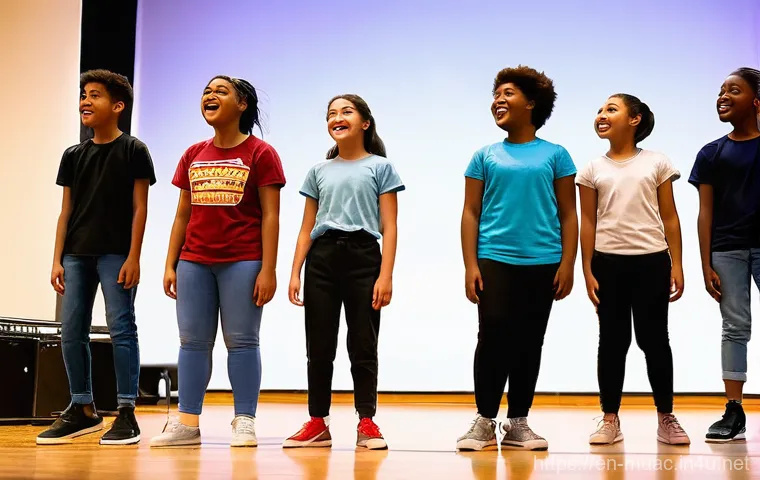
You know, when I first started dreaming of a life on stage, I honestly thought it was all about having a pretty voice or being able to hit a high note. Boy, was I wrong! The truth is, musical theatre demands a unique blend of skills that go way beyond just one talent. It’s why they call it the ‘triple threat’—you’ve got to sing, dance, and act, and ideally, excel at all three. I remember spending countless hours in my bedroom, blasting show tunes and trying to mimic every riff, only to realize later that technical training was an absolute game-changer. It’s not just about sounding good, it’s about understanding your instrument, protecting it, and pushing its boundaries safely. My voice teacher in high school, bless her heart, always told me, “Your voice is like a finely tuned instrument, treat it with respect, and it will serve you for a lifetime.” That advice really stuck with me. Neglecting any one of these pillars can seriously limit your opportunities in an industry that increasingly seeks versatile performers. It’s about developing a robust foundation, which means consistent, dedicated training in each discipline, ideally starting as early as possible. Don’t underestimate the power of regular practice and professional guidance; it’s the bedrock of any successful performance career.
Singing Your Way to Stardom: Vocal Training Essentials
For aspiring musical theatre performers, vocal training isn’t just a suggestion; it’s a necessity. I’ve personally found that having a solid vocal technique gives you so much more freedom and confidence on stage. It’s not just about hitting the notes, but about breath control, resonance, range, and stamina, all while conveying emotion. Finding a qualified vocal coach who specializes in musical theatre is paramount. They can help you develop healthy singing habits, understand different vocal styles, and expand your repertoire. My own journey involved working on everything from classical art songs to contemporary Broadway belting. It felt like a marathon sometimes, with scales and exercises, but the payoff during auditions was undeniable. Furthermore, understanding basic music theory, like sight-reading and ear training, will elevate your musicianship and make you a more valuable asset in any ensemble or leading role. Never skip your warm-ups, and always prioritize vocal health; your voice is your livelihood.
Dancing Through Life: Movement and Choreography
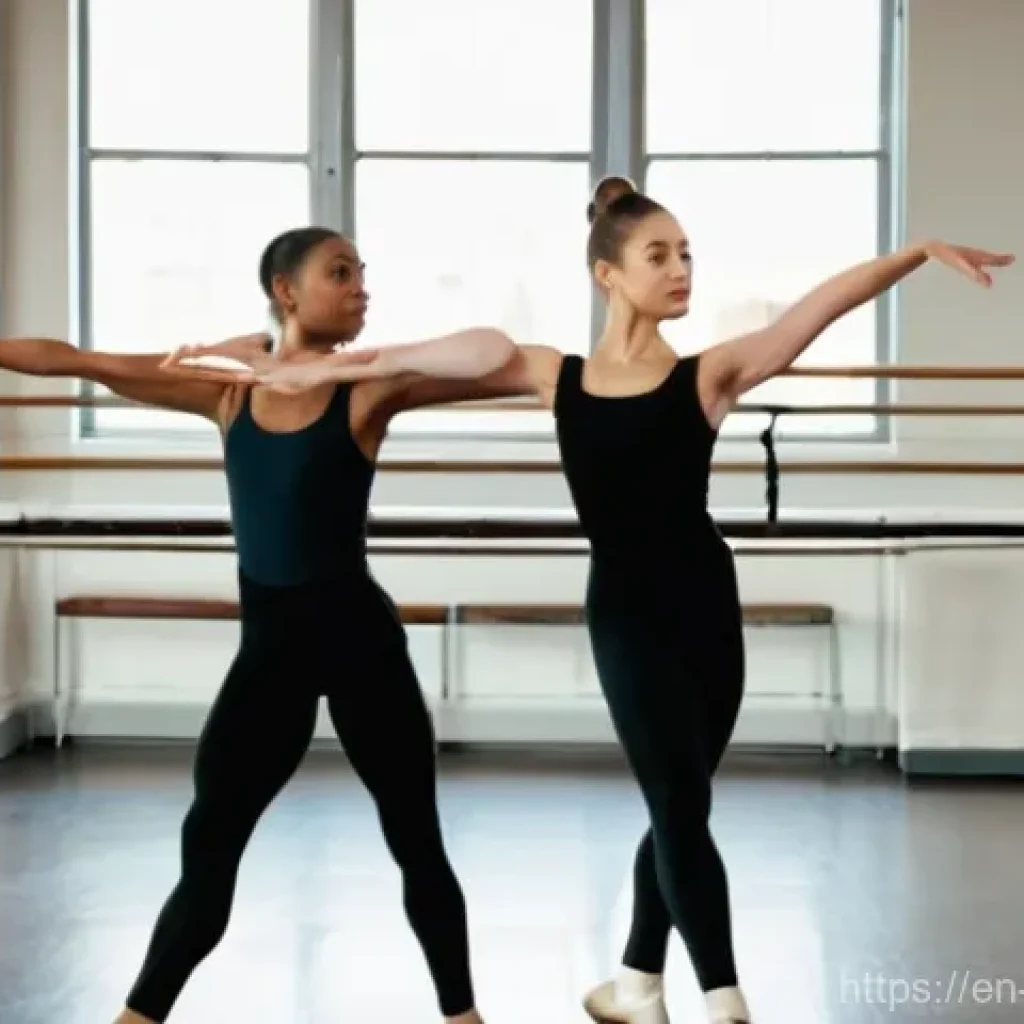
Let’s be real, even if you think you have two left feet, dancing is an integral part of musical theatre. I remember feeling completely intimidated by dance classes at first, especially when everyone else seemed to pick up choreography so effortlessly. But I pushed through, and I’m so glad I did! From ballet to jazz, tap to contemporary, a diverse dance background is incredibly advantageous. Directors are always looking for performers who can move with grace, precision, and storytelling ability. Early exposure to different dance forms helps develop coordination, flexibility, and a strong stage presence. It’s not always about being a prima ballerina; sometimes it’s about being able to execute character-driven movement or complex ensemble numbers. Consistent training, attending workshops, and even just taking regular dance classes can transform your physical expression and open up so many more doors. It truly felt like my body became another tool for storytelling once I embraced movement.
Bringing Characters to Life: Acting Foundations
You can sing like an angel and dance like a dream, but if you can’t embody a character, you’ll struggle in musical theatre. The acting component is what truly brings a performance to life and makes an audience connect. From my experience, acting training in high school was incredibly formative. Whether it was through drama club productions, private coaching, or even just avidly watching films and analyzing performances, I was constantly learning. Understanding character development, emotional recall, improvisation, and scene study are fundamental. It’s about creating believable human beings on stage, even when they’re singing and dancing. I found that working on monologues, performing in plays (even straight plays without music!), and delving into different acting techniques like Stanislavski or Meisner significantly deepened my craft. The goal is to move beyond simply reciting lines or singing songs and truly inhabit the world of the character. This connection to the role is what separates a good performer from an unforgettable one.
Strategic School Involvement: Beyond the Classroom Stage
Beyond formal lessons, the choices you make about how you spend your time in school can profoundly impact your readiness for a musical theatre career. It’s not just about being in every show; it’s about being strategic. When I was in high school, I tried to get involved in anything and everything that touched upon performance or storytelling. This meant not just the big musical productions, but also smaller drama club readings, forensics competitions, and even helping backstage. These experiences, both on and off stage, teach you invaluable lessons about collaboration, problem-solving, and the sheer effort that goes into creating a show. It felt like every little role, every technical task, gave me a deeper appreciation for the entire theatrical process. Directors and casting agents notice well-rounded individuals who understand the scope of theatre, not just their own spotlight moment. They’re looking for team players, and school activities provide the perfect sandbox for developing those essential skills.
The Power of School Productions and Drama Clubs
School productions are your first real stage. I mean, where else are you going to get the chance to perform in front of an audience, learn choreography, sing harmonies, and develop a character, all within a supportive environment? These experiences are priceless. They teach you everything from memorization techniques to stage presence, how to take direction, and the discipline required for rehearsals. Drama clubs, even without full productions, offer fantastic opportunities for improvisation games, scene work, and exploring different theatrical styles. I distinctly remember the sense of camaraderie in my high school drama club; it was like a second family. We’d stay late, build sets, paint props, and truly collaborate. This hands-on experience, both in front of and behind the curtain, is what truly cultivates a deep understanding and love for theatre. It’s where I truly caught the bug, and it helped me understand the collaborative nature of theatre, which is so crucial in the professional world.
Seeking External Opportunities: Community and Regional Theatre
While school productions are fantastic, don’t limit yourself! Expanding your performance experience beyond the school walls is incredibly beneficial. Community theatres and regional youth theatre programs offer different directors, different peers, and often a broader range of material. I found that working with diverse groups outside of my school bubble exposed me to new perspectives and pushed me out of my comfort zone. It also demonstrated a proactive approach to my passion, showing potential drama schools or agents that I was truly dedicated. These outside opportunities often have higher production values and more professional expectations, providing a glimpse into the industry’s demands. It’s a chance to build your resume with varied experiences and meet people who might become future mentors or connections. Plus, there’s something incredibly validating about earning a role in an open audition!
Academics as a Foundation: Nurturing Your Intellectual Side
It might seem counterintuitive, but your academic performance absolutely matters, even for a career in the arts. Strong grades demonstrate discipline, intelligence, and the ability to manage your time effectively—qualities that are highly valued in any demanding field. Many prestigious drama schools look not only for talent but also for students who are intellectually curious and capable of handling rigorous academic coursework alongside intense studio training. I found that my English literature classes, for example, really helped me analyze scripts and understand character motivations on a deeper level. History and music theory classes also provided crucial context for the shows I was performing. Don’t fall into the trap of thinking that academics are secondary; they provide a crucial foundation for critical thinking, effective communication, and a well-rounded perspective that will enrich your artistry. It’s about showing you’re a serious, committed student in all aspects of your life.
Building Your Toolkit: Audition Prep and Portfolio Development
Let’s be honest, auditions can feel like stepping into the lion’s den. But here’s the secret: preparation is your superpower. I’ve been in countless audition rooms, and the ones where I felt most confident were always the ones where I’d meticulously prepared every single detail. It’s not just about having a few songs ready; it’s about crafting a comprehensive portfolio that showcases your unique talents and personality. This starts long before you even think about stepping into a professional audition. During your school years, every performance, every class, every piece of feedback contributes to building this toolkit. You’re essentially building your personal brand, even if you don’t realize it at the time. A well-organized, diverse, and professional portfolio can truly set you apart in a crowded field, making a lasting impression on casting directors and school admissions panels. It’s about presenting the best, most authentic version of yourself.
Crafting a Killer Audition Book
Your audition book is your musical theatre bible. From my own journey, I learned early on that it needs to be diverse, polished, and ready at a moment’s notice. This means having a variety of songs—different tempos, styles (contemporary musical theatre, classic Broadway, pop/rock, legit), and emotional ranges. You’ll want 16-32 bar cuts, full songs, and maybe even a few contrasting monologues. Make sure your sheet music is clearly marked, in the correct key, and easily legible for an accompanist. I personally keep mine in a well-organized binder with tabs, so I can flip to any piece instantly. The goal is to show your versatility and strengths, always choosing material that suits your voice and type, rather than just what you like. Practice performing these pieces constantly, so they feel second nature. Remember, the choice of material says a lot about you as an artist before you even sing a note.
Showcasing Your Talents: Headshots, Resumes, and Reels
In today’s visual world, a strong headshot, a professional resume, and even a performance reel are non-negotiable. Your headshot should be a professional, current photo that genuinely reflects your personality and ‘type.’ I remember agonizing over my first headshot, wanting it to be perfect, and honestly, investing in a good photographer was one of the best decisions I made. Your resume should be concise, highlighting your performance experience, training, and special skills. Even in high school, you can start building this, listing school productions, community theatre, and any relevant classes. As you gain more experience, consider compiling a ‘sizzle reel’—short video clips showcasing your singing, dancing, and acting. Even if it’s just from school productions, good quality footage can make a huge difference. These materials are your calling card, providing a snapshot of your capabilities before you even step into the room.
Mock Auditions and Feedback: The Practice Ground
Auditioning is a skill in itself, and like any skill, it needs practice. I cannot stress enough the value of mock auditions. Getting comfortable performing under pressure, taking direction, and handling nerves is crucial. Ask your theatre teacher, vocal coach, or even a trusted mentor to sit in and give you feedback. Better yet, find a group of friends who are also aspiring performers and create a supportive environment for mock auditions. They can offer invaluable insights on your material choices, your presentation, and even your non-verbal cues. I’ve found that constructive criticism, even when it stings a little, is what truly helps you grow and refine your approach. It’s a chance to iron out the kinks and build confidence long before the stakes are high in a real audition room. Don’t shy away from feedback; embrace it as a tool for improvement.
Cultivating Connections: Mentors and Networking

Okay, this might sound a bit intense for a high school student, but trust me, building connections early on is a game-changer. I wish someone had emphasized this more to me when I was starting out! It’s not about being pushy or fake; it’s about genuinely connecting with people who share your passion and can offer guidance. The performing arts industry is incredibly relationship-driven, and you never know where your next opportunity might come from. I’ve found that some of my most valuable insights and even job leads have come from people I met years ago, simply by staying in touch and being open to learning from them. These connections can provide invaluable advice, open doors to workshops, or even recommend you for a role. It’s about building a supportive community around you, which can be a lifeline in such a competitive field.
Finding Your Guides: The Importance of Mentorship
A good mentor can literally change the trajectory of your career. I was lucky enough to have a few incredible mentors during my high school and early college years—teachers, professional actors, and even older students—who took me under their wing. They offered advice, shared their experiences, and sometimes, just listened. A mentor can help you navigate tough decisions, provide honest feedback, and offer insights into the industry that you simply won’t find in a textbook. Don’t be afraid to respectfully reach out to professionals you admire or connect with experienced individuals in your local theatre community. You’d be surprised how many people are willing to share their wisdom with an eager, dedicated young artist. These relationships are incredibly enriching and provide a source of encouragement when the path gets tough.
Networking Early: Building Industry Relationships
Networking doesn’t have to be a scary, corporate-sounding activity. For aspiring musical theatre actors, it means making genuine connections. Attend workshops, masterclasses, and local performances. Introduce yourself to directors, choreographers, and even stage managers after a show (if appropriate). Be curious, ask thoughtful questions, and always follow up with a polite thank you. I remember feeling so nervous approaching professionals, but I quickly learned that most people in the arts are incredibly supportive of emerging talent. Building these relationships means more than just handing out a resume; it’s about making a positive impression and showing genuine interest. These early connections can lead to future auditions, recommendations, or simply a friendly face in a new city when you start your professional journey. It’s an investment in your future, pure and simple.
Understanding the Business: Industry Insights and Expectations
While the glamour of the stage is what draws us in, it’s crucial to understand that musical theatre is also a business. I remember my eyes being opened when I started researching drama schools and realizing just how competitive and structured the path truly was. It’s not just about talent; it’s about strategy, persistence, and a realistic understanding of the industry landscape. Knowing what you’re getting into, from the financial commitments of training to the realities of a freelance career, can help you make informed decisions and set realistic expectations. This foresight can prevent a lot of heartache down the line and allow you to approach your journey with a clear head and a well-thought-out plan. It’s about becoming a savvy artist, not just a passionate one. Trust me, a little business sense goes a long way in this creative field.
| Key Preparation Areas in High School | Common Pitfalls to Avoid |
|---|---|
| Consistent training in voice, dance, and acting (private lessons, classes) | Focusing solely on one skill and neglecting the others |
| Actively participating in school and community theatre productions | Waiting for opportunities to come to you instead of seeking them out |
| Building a diverse audition book with varied song and monologue cuts | Having only a few pieces and not being prepared for different requests |
| Developing a professional resume, headshot, and performance reel | Using unprofessional photos or an unorganized, unclear resume |
| Seeking out mentors and networking with industry professionals | Isolating yourself and not building connections within the theatre community |
| Maintaining strong academic performance and intellectual curiosity | Neglecting schoolwork in favor of performing, potentially limiting options |
| Practicing self-care and developing mental resilience for rejection | Ignoring mental health, becoming overly sensitive to criticism or setbacks |
Researching Drama Schools and Programs
If you’re serious about musical theatre, then drama school is often the next logical step after high school. But with so many incredible programs out there, how do you choose? I spent countless hours poring over websites, attending online info sessions, and talking to current students and alumni. It’s about finding the right fit for *you*. Consider factors like program focus (conservatory vs. university), location, faculty, curriculum, and alumni success. Are you looking for a BFA, a BA, or a specific acting intensive? Each school has its own culture and strengths. Understanding these nuances can save you a lot of time and money in the long run. Don’t just apply to the ‘big names’; explore programs that align with your specific artistic goals and personality. It’s a huge investment, so thorough research is absolutely essential.
The Realities of the Professional World: What to Expect
It’s easy to get caught up in the dream, but understanding the practical realities of a professional performing arts career is vital. This industry is incredibly competitive, often financially unstable, and demands immense resilience. I remember my mentor telling me, “For every ‘yes,’ you’ll get a hundred ‘nos.’ The trick is to keep going.” This means understanding that rejection is a constant, and developing a thick skin and a strong sense of self-worth outside of your career is crucial. It also means appreciating the freelance nature of the work, the need for side jobs, and the importance of financial planning. It’s not just about the spotlight; it’s about the hustle, the grit, and the unwavering belief in your own talent and purpose. Having a clear-eyed view of these realities can help you navigate the ups and downs with greater fortitude.
Nurturing Your Well-being: Mental and Physical Resilience
This is probably the most overlooked aspect of preparing for a performing arts career, but in my experience, it’s one of the most critical. The demands of musical theatre—physically, emotionally, and mentally—are intense. I mean, think about it: long rehearsals, high-stakes auditions, the emotional toll of character work, and the constant pressure to be “on.” If you don’t actively work on your mental and physical well-being, you’ll burn out. I’ve seen it happen to incredibly talented people. It’s not just about avoiding injury; it’s about building a sustainable career, one where you can thrive for years to come. Developing self-care routines, finding healthy ways to cope with stress, and learning to listen to your body are skills that will serve you far beyond the stage. This journey is a marathon, not a sprint, and you need to be in top form for the long haul.
Balancing the Demands: Time Management and Self-Care
As an aspiring musical theatre actor in high school, you’re juggling academics, rehearsals, lessons, and a social life. It’s a lot! I remember feeling overwhelmed at times, constantly trying to fit everything in. That’s where excellent time management skills come in. Learning to prioritize, create schedules, and say ‘no’ when necessary are invaluable. But beyond just managing your time, actively practicing self-care is non-negotiable. Whether it’s carving out time for exercise, meditation, spending time in nature, or simply relaxing with friends, these moments are crucial for recharging your batteries. I found that ignoring my need for downtime always led to exhaustion and poorer performance. Your body and mind are your most important tools; treat them with the care they deserve. Burnout is a real threat, so proactively taking care of yourself is an act of self-preservation in this demanding field.
Coping with Rejection: Building Emotional Strength
Rejection is an undeniable part of an actor’s life. Trust me, I’ve had more ‘nos’ than I can count. It can feel incredibly personal, like a direct critique of your worth. But here’s the crucial lesson I learned: it’s rarely personal. It’s about type, height, availability, or simply not being what they envisioned for *that specific role at that specific time*. Learning to detach your self-worth from audition outcomes is a powerful skill. Developing emotional resilience means acknowledging the disappointment, processing it, and then moving forward. Find healthy outlets for frustration, talk to trusted friends or mentors, and remind yourself that every ‘no’ brings you closer to a ‘yes.’ It’s a continuous process, but building this mental fortitude in your formative years will make you an unstoppable force in a career path filled with ups and downs. It’s a crucial part of the journey.
Wrapping Up Our Journey
Whew! What a ride, right? Thinking back on all these crucial steps, from those awkward early dance classes to the thrill of finally nailing an audition piece, it really sinks in how much goes into chasing this musical theatre dream. It’s a path brimming with passion, yes, but also one that demands relentless dedication, a thick skin, and a genuine love for the craft in all its forms. I’ve learned that it’s not just about the spotlight moments; it’s about the hours in the studio, the connections you build, and the resilience you cultivate when things don’t go your way. It truly is a holistic journey of growth, both as an artist and as a person. Remember, every step you take, every lesson you learn, and every challenge you overcome is shaping you into the versatile, compelling performer you’re meant to be. Keep that fire burning, treat yourself kindly, and never stop learning – the stage awaits!
Handy Tips for Your Artistic Path
1. Diversify Your Skills Early: Don’t just focus on singing. Dedicate equal time to dance (ballet, jazz, tap) and acting (improvisation, scene study). The “triple threat” isn’t a myth; it’s the expectation for versatile performers in today’s industry. Embrace every opportunity to broaden your skillset from a young age.
2. Network with Authenticity: Start building genuine connections now. Attend workshops, masterclasses, and local theatre events. Be curious, ask questions, and remember people’s names. These relationships can provide invaluable mentorship, future opportunities, and a supportive community in a competitive field.
3. Prioritize Self-Care and Resilience: The performing arts can be demanding. Develop healthy coping mechanisms for stress and rejection. Prioritize physical fitness, vocal health, and mental well-being. A strong, balanced individual is a more sustainable and compelling artist in the long run.
4. Curate a Dynamic Portfolio: Even in high school, start building your audition book with diverse song and monologue cuts. Invest in a professional headshot as soon as you can, and document your performances with quality video. These materials are your calling card and make a crucial first impression.
5. Embrace Continuous Learning: The industry is always evolving. Be open to new techniques, different styles, and feedback from mentors. Stay curious, read plays, watch performances, and never assume you know everything. The most successful artists are perpetual students of their craft.
Your Performance Blueprint: Key Insights
Ultimately, becoming a successful musical theatre artist is a marathon, not a sprint, requiring a blend of raw talent, relentless training, and astute self-management. From my own journey, the consistent dedication to honing singing, dancing, and acting concurrently has proven absolutely non-negotiable. It’s about building a robust foundation, not cutting corners. Equally vital is embracing every performance opportunity, whether in school or community theatre, as each stage appearance is a chance to learn and grow. Beyond the craft, the importance of cultivating genuine relationships with mentors and peers cannot be overstated; these connections often become lifelines in a challenging industry. And perhaps most critically, never forget to champion your own well-being. Developing mental fortitude to handle rejection and prioritizing self-care are as essential as hitting that high note or executing a perfect pirouette. This is your unique artistic adventure, so equip yourself with the skills, the network, and the resilience to truly shine.
Frequently Asked Questions (FAQ) 📖
Q: What specific skills should I focus on during my high school years if I dream of a musical theatre career?
A: Oh, this is a question I hear all the time, and it’s a brilliant one to ask early on! When I was coming up, and even now, I’ve noticed a lot of aspiring performers get so caught up in just one aspect, usually singing, and forget that musical theatre is the ultimate triple threat.
My personal experience, having seen countless auditions and performances, tells me that casting directors are always on the hunt for well-rounded artists.
So, what should you really hone in on? First and foremost, vocals are non-negotiable. Consistent voice lessons are a must, focusing on technique, breath control, and versatility across genres.
Don’t just stick to belting; explore classical, jazz, and contemporary styles to broaden your range. But here’s the kicker: acting is just as crucial.
You can have the voice of an angel, but if you can’t embody a character authentically, you’ll struggle. Join your school’s drama club, seek out community theatre productions, and take acting workshops.
Work on monologue delivery, improvisation, and understanding character arcs. And finally, dance, dance, dance! This is often where aspiring actors fall short.
Ballet, jazz, and tap are your core foundations, but don’t shy away from contemporary or hip-hop. Even if you don’t aspire to be a principal dancer, strong movement skills are vital for ensemble work and portraying character through physicality.
Think of it this way: every single skill you build now is a brushstroke on the masterpiece that will be your future career. From what I’ve personally seen, those who invest equally in all three areas truly shine.
Q: Balancing intense training with schoolwork sounds overwhelming! How can I manage both without burning out?
A: I completely get it – the sheer thought of juggling demanding rehearsals, lessons, and homework can feel like trying to spin too many plates at once. It’s a challenge I faced myself, and honestly, every successful performer I know has a story about those intense school years.
The secret sauce, from my personal experience, isn’t about working harder, it’s about working smarter and knowing when to ask for help. First off, time management is your absolute best friend.
Seriously, invest in a good planner – digital or physical – and map out your week. Schedule your practice sessions, dance classes, and vocal lessons like they are non-negotiable appointments, but also carve out dedicated blocks for homework and study.
Prioritization is key; sometimes, you might have to decide between an extra hour of dance and perfecting that history essay. The trick is to be honest with yourself about what needs the most attention at any given moment.
Secondly, communication is paramount. Talk to your teachers at school about your extracurricular commitments, and equally important, let your coaches and instructors know about your academic pressures.
Most educators are incredibly understanding and supportive if you communicate proactively. I remember one year, I had a massive play rehearsal schedule colliding with final exams, and by simply talking to my teachers, I was able to work out alternative deadlines.
It’s not about finding more hours in the day, but about optimizing the ones you have and building a support system around you. And don’t forget to schedule downtime!
Even a half-hour to just unwind can make a world of difference in preventing burnout.
Q: What kinds of extracurricular activities should I prioritize to truly stand out when applying to drama schools or auditioning professionally?
A: This is where you can really start to craft your unique narrative and show off not just your talent, but your drive and personality! From my years in the industry, what makes someone stand out isn’t just their ability to hit a high note or nail a pirouette; it’s the story they tell through their experiences.
So, beyond the obvious choices like school musicals and choir, let’s talk strategy. Firstly, solo performance opportunities are a big deal. This could be performing a solo at a school concert, a local talent show, or even creating your own YouTube covers.
It demonstrates initiative and comfort in the spotlight. Secondly, leadership roles are incredibly valuable. Being a section leader in choir, a dance captain, or even directing a student-led play shows maturity, teamwork, and a knack for problem-solving – all qualities highly sought after in a collaborative art form.
I’ve personally been in audition rooms where candidates who’d organized fundraisers for their drama club or taught dance to younger kids absolutely shone because it showcased their passion beyond just performing.
Consider improvisation clubs or speech and debate; these hone quick thinking, character development, and public speaking skills, which are goldmines for an actor.
Also, don’t underestimate the power of diverse experiences. Learning an instrument, taking art classes, or even delving into technical theatre (lighting, sound, stage management) can give you a deeper understanding of the entire production process and make you a more well-rounded, thoughtful artist.
It’s about building a portfolio of experiences that scream, “I am passionate, dedicated, and I bring more than just a pretty voice to the table!”