I’ve been a huge musical theatre fan for as long as I can remember, and there’s nothing quite like the thrill of seeing a truly captivating performance unfold live before your eyes.
But what exactly makes an actor genuinely shine on stage, and how do we, as an audience, truly evaluate that incredible magic? With the rise of digital platforms and instant feedback, the way we discuss and dissect these performances has certainly evolved dramatically, adding fascinating new layers to the age-old art of criticism.
It’s not just about vocal prowess or perfect dance steps anymore; it’s deeply about connection, raw presence, and that unmistakable, intangible spark that truly resonates with us long after the curtain falls.
I’ve spent countless hours diving deep into audience reactions, professional reviews, and even how social buzz can shape a show’s trajectory, and trust me, there’s so much more to it than meets the eye.
Let’s dive in and uncover the true secrets to understanding and appreciating a musical actor’s performance together!
Beyond the Perfect Note: The Intangible Spark
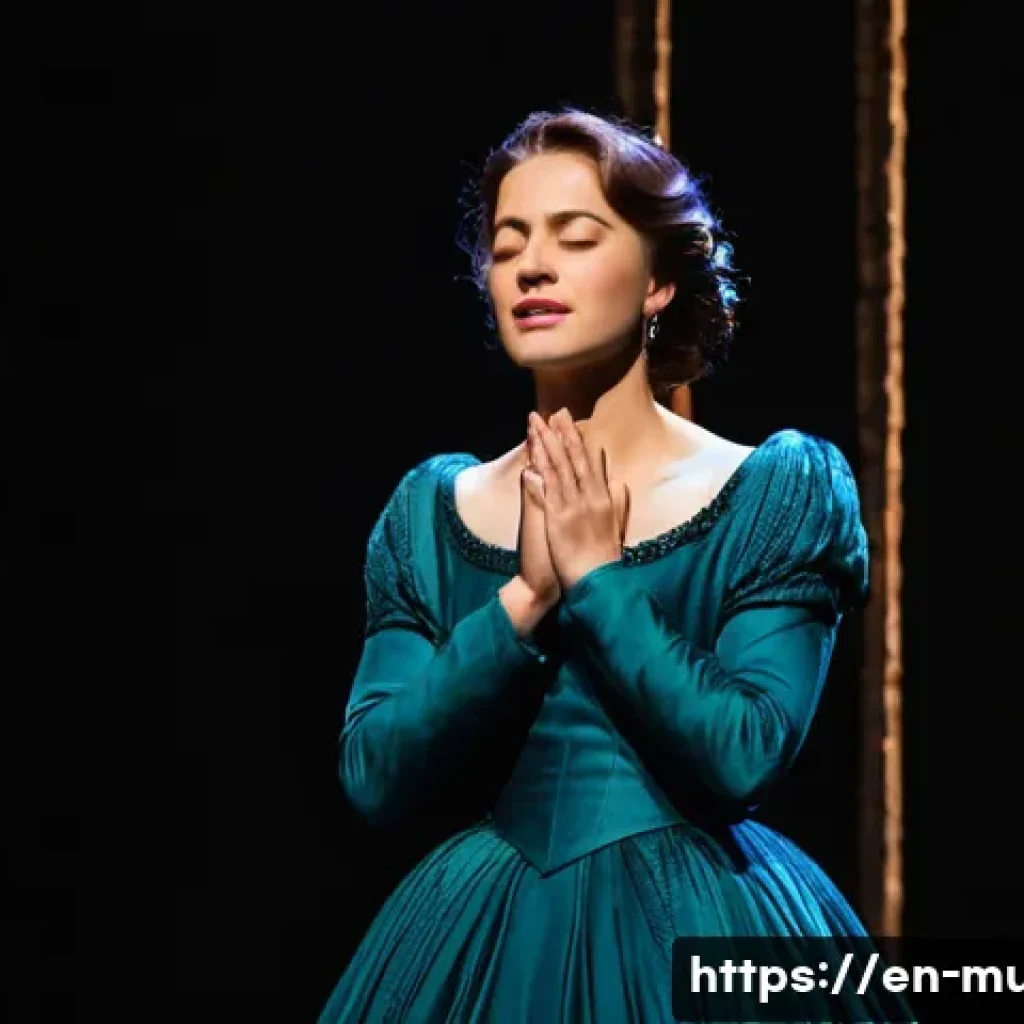
You know, there’s just something absolutely electric about watching a musical theatre performance where an actor isn’t just hitting every note perfectly or executing every dance step flawlessly, but truly *living* the character. I’ve spent countless evenings in various theatres, from the grand old dames of Broadway to intimate off-West End spaces, and what always sticks with me isn’t just technical brilliance—though that’s certainly admirable—it’s that elusive, unquantifiable spark. It’s a feeling, a raw energy that transcends the script and the score, making you lean forward in your seat, utterly captivated. It’s the moment when the performer stops being an actor and becomes the character in such a profound way that you momentarily forget where you are. This isn’t something you can practice in a rehearsal room; it’s born from a deep understanding of the role, a willingness to be vulnerable, and an innate ability to connect on a human level. It’s the kind of performance that leaves you thinking about it for days, sometimes even weeks, afterward, prompting spirited discussions with friends over coffee or late-night texts dissecting every nuance. Trust me, I’ve had more than a few of those!
When Technical Brilliance Meets Raw Emotion
When we talk about a truly outstanding musical actor, it’s rarely just about their vocal range or their incredible flexibility. Of course, those things are crucial foundational elements; you absolutely need to be able to sing the score and move with the choreography. But what elevates a good performance to a truly unforgettable one is when that impeccable technique is infused with a deep, pulsating emotional core. I’ve seen performers with voices like angels who leave me feeling…well, nothing much. And then I’ve seen others, maybe not with the most conventionally “perfect” voice, who deliver a line or hit a high note with such raw, unbridled emotion that it sends shivers down my spine and brings tears to my eyes. It’s about how they use their voice to convey despair, joy, anger, or love, making every lyric a window into the character’s soul. It’s the physical expression that mirrors the internal turmoil, the subtle tremble in their hand or the desperate look in their eyes that speaks volumes. It’s a testament to the fact that while skill can be taught, true artistry often comes from a place far deeper than mere training, touching on empathy and genuine human experience.
That “Can’t Look Away” Factor
Have you ever been in an audience where, from the moment an actor steps onto the stage, your eyes are just glued to them? That’s what I call the “can’t look away” factor, and it’s something I actively look for when evaluating a performance. It’s not necessarily about being the loudest or the flashiest; sometimes it’s the quietest, most understated presence that demands your attention the most. This captivating quality often stems from an actor’s profound internal life for their character, a detailed inner world that radiates outwards. They don’t just deliver lines; they inhabit every moment, reacting authentically to everything happening around them, even when they’re not the focal point of the scene. I’ve noticed that these performers possess an incredible awareness of their body and voice as instruments for storytelling, using every micro-expression and gesture to enrich their portrayal. It’s a deep connection to the material that makes their character feel real, vibrant, and utterly compelling, drawing you into their journey with an almost magnetic pull. You just have to know what they’re going to do or say next, feeling every beat alongside them.
The Art of Storytelling: Bringing Characters to Life
When I think about what makes a performance truly resonate, it always boils down to the actor’s ability to tell a story through their character. It’s not just about reciting lines or singing songs; it’s about crafting an entire arc, showing growth, struggle, triumph, or despair in a way that feels utterly authentic. This takes an incredible amount of preparation and an almost forensic examination of the script. I’ve personally found that the most compelling actors are those who aren’t afraid to explore the messiness of their characters, embracing their flaws and vulnerabilities as much as their strengths. They understand that a character isn’t a static entity but a dynamic being, constantly evolving with each scene and interaction. It’s a delicate balance, portraying both the inner turmoil and the outward presentation, often with very little dialogue or song to explicitly guide the audience. The truly great ones make you believe in their journey, making you root for them, cry with them, or even despise them, all because their portrayal is so layered and deeply felt. It’s like watching a painting come alive, stroke by stroke, before your very eyes.
The Actor’s Journey: From Script to Soul
Every actor starts with a script, a blueprint of a character’s life. But what they do with that blueprint, how they infuse it with their own understanding and emotional intelligence, is where the magic truly happens. I’ve always been fascinated by how different actors can approach the same role and bring entirely unique interpretations to it. The best performances, in my experience, come from actors who delve deep into the character’s backstory, motivations, and hidden desires, even if those aren’t explicitly stated in the text. They build a complex internal world for their character, which then informs every single choice they make on stage, from a subtle shift in gaze to a sudden burst of energy. This isn’t just intellectual work; it’s an empathetic dive into another person’s psyche, requiring immense emotional courage. It’s about finding the universal truths within a specific character’s experience, allowing the audience to see a piece of themselves in someone entirely fictional. When an actor truly embodies this journey, it’s not just a performance; it’s a profound act of empathy, extending from the stage to every single person in the audience.
Building Worlds with Words and Gestures
Musical theatre, by its very nature, is a highly theatrical medium, often requiring actors to convey vast amounts of information and emotion through stylized movements and heightened language. What separates the good from the truly exceptional is the ability to use these tools to build an entire world around their character. It’s how a specific gesture can communicate a lifetime of longing, or how a single spoken word, imbued with particular inflection, can reveal a character’s entire philosophy. I’ve often observed how a masterful actor uses not just their voice, but their entire physical presence—their posture, their gaze, the way they hold their hands—to flesh out their character’s personality and circumstances. They create a seamless tapestry where every element, from the way they walk to the way they interact with a prop, contributes to the overall narrative. It’s an intricate dance between verbal and non-verbal communication, transforming abstract concepts into tangible realities right before our eyes. This kind of nuanced performance doesn’t just entertain; it transports you, making you a temporary inhabitant of their carefully constructed theatrical world.
Commanding the Stage: Presence and Connection
There’s an undeniable power in an actor who truly commands the stage, not just with their voice or their movements, but with an almost palpable presence. It’s that feeling you get when someone walks out, and the air in the room subtly shifts; all eyes are drawn to them, even if they’re not speaking a single word. This stage presence isn’t about being overtly dramatic or constantly seeking attention; sometimes, the most powerful presence is a quiet, intense one. It’s about owning the space, being completely present in the moment, and projecting an unwavering focus that draws the audience into their orbit. I’ve seen some incredible examples where an actor’s presence alone can create tension, anticipation, or profound stillness within the theatre. This kind of performance extends beyond individual brilliance; it’s also about how they interact with their fellow actors, creating authentic relationships and building a dynamic ensemble. A truly great actor elevates everyone around them, fostering a collective energy that makes the entire production shine brighter. It’s an alchemy of individual talent and collective synergy that makes the live experience so unique.
Owning Every Inch of the Stage
When an actor truly “owns” the stage, it’s like watching a master painter at work, except their canvas is the entire performing space. They utilize every inch, every level, every prop, not just as set pieces, but as extensions of their character’s world. This isn’t about aimless wandering; it’s about intentional movement, where every step, every turn of the head, every gesture has purpose and meaning. I’ve often noticed how the way an actor enters a scene can immediately establish their character’s status, mood, or intention. Do they stride confidently, shuffle hesitantly, or slink in the shadows? These subtle choices contribute immensely to the overall portrayal. A performer with strong stage ownership understands sightlines, lighting, and how to use the architecture of the stage to their advantage, ensuring that their performance is always impactful and clear to everyone in the audience, no matter where they’re sitting. It’s a masterful demonstration of spatial awareness combined with deep character insight, ensuring their presence is felt throughout the entire theatrical landscape.
Forging a Bond with the Audience
One of the most magical aspects of live theatre is the unspoken connection that forms between the performers and the audience. A truly exceptional musical actor has a remarkable ability to forge this bond, making you feel like they’re performing just for you, even in a theatre of a thousand people. This connection isn’t usually about breaking the fourth wall (though that can be effective); it’s more about an actor’s inherent vulnerability and sincerity that shines through their character. It’s the way their eyes might momentarily meet yours (or seem to), the way a genuine laugh or tear seems to escape them, making them feel incredibly human and relatable. I’ve always been moved by performances where the actor creates such an honest portrayal that you feel a shared experience, a mutual understanding of the character’s plight or joy. This is where the magic of live performance truly lies, in that fleeting, unrepeatable moment of shared humanity. It’s a testament to their emotional intelligence and their ability to extend their character’s world beyond the footlights and into the hearts of the audience.
The Dance, the Movement, the Physicality
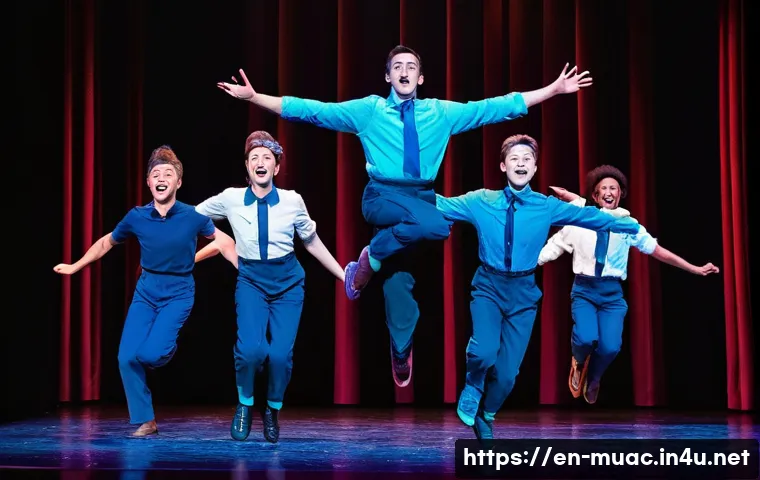
In musical theatre, the body speaks just as loudly, if not louder, than the voice. An actor’s physical presence, their movement quality, and their ability to embody a character through dance and gesture are absolutely paramount. It’s never just about hitting the choreography marks; it’s about integrating the movement so seamlessly into the character’s being that it feels like an organic extension of their personality and emotional state. I’ve witnessed countless performances where the dance isn’t merely decorative but serves as a vital storytelling device, expressing emotions or advancing the plot in ways that words alone cannot. A truly brilliant musical actor uses their physicality to portray age, status, psychological state, and even internal conflicts, often without saying a single word. Think of the subtle slump of a defeated character’s shoulders or the exuberant leap of someone in love—these are powerful non-verbal cues that enrich the entire performance. This level of physical storytelling requires not just training, but an intuitive understanding of how the body can convey meaning, transcending language barriers and speaking directly to the soul.
More Than Just Steps: Expressive Movement
When I watch a dancer or an actor moving on stage, I’m looking for more than just technical precision. I’m searching for expressive movement – a quality that imbues every step, every turn, every lift with character and emotion. It’s about how the choreography is filtered through the lens of the specific character they are playing. The same dance sequence can look entirely different when performed by an angry character versus a joyful one, even if the steps are identical. I’ve always admired performers who can infuse their movements with subtext, making a simple walk across the stage reveal a character’s apprehension, determination, or weariness. This kind of expressive physicality adds incredible depth and nuance to a performance, allowing the audience to understand aspects of the character that might not be explicitly stated in the dialogue or lyrics. It requires an acute awareness of one’s own body and how it communicates, transforming raw physical actions into meaningful gestures that further the narrative and enrich the audience’s understanding.
The Physicality of Character
Every character, whether they’re a swashbuckling hero or a shy wallflower, has a distinct physicality. The most memorable musical actors are those who meticulously craft this physical embodiment, making it feel utterly natural and consistent throughout the entire show. This can involve everything from altering their posture and gait to adopting specific mannerisms or gestures that are unique to their character. I’ve been particularly impressed by actors who undergo significant physical transformations for a role, changing their entire physical demeanor to inhabit someone completely different from themselves. This level of commitment to physical characterization doesn’t just make the performance more believable; it also helps the actor to truly feel like the character, which in turn deepens their emotional portrayal. It’s a testament to their dedication to the craft, demonstrating an understanding that acting isn’t just from the neck up, but a full-body experience that involves every fiber of their being to bring a character truly to life on stage.
From Stage Door to Social Feed: The Modern Critic
It’s fascinating how much the landscape of performance evaluation has changed over the years. Gone are the days when criticism was solely the domain of established newspaper reviewers. Now, with the click of a button or a tap on a screen, everyone’s a critic! From Twitter threads exploding with immediate reactions to in-depth video essays on YouTube, the conversation around musical theatre performances is more dynamic and democratic than ever before. This explosion of digital platforms means that actors and productions receive feedback from an incredibly diverse range of voices, offering insights that traditional reviews might miss. While it can sometimes feel like a whirlwind of opinions, I personally find it incredibly enriching. It allows for a broader discussion, a deeper dive into specific moments, and a celebration of nuanced performances that might otherwise go unnoticed. It’s changed how I prepare for a show, often glancing at early social buzz to get a feel for the audience’s initial take, though I always form my own opinions, of course! It adds a whole new dimension to the theatrical experience.
The Digital Echo Chamber: Social Media’s Influence
Social media has truly revolutionized how we talk about live theatre, creating what I sometimes call a “digital echo chamber” where opinions can spread like wildfire. A single tweet praising a breakout performance can instantly turn an unknown actor into an overnight sensation, just as a critical post can spark heated debates. I’ve observed firsthand how this immediate feedback loop can influence a show’s trajectory, impacting ticket sales and even how producers perceive a performance. It’s a double-edged sword, offering incredible opportunities for exposure and connection, but also sometimes leading to snap judgments or an overemphasis on superficial aspects. As someone who loves diving deep into performances, I try to navigate this landscape thoughtfully, appreciating the immediate excitement but always remembering that a true assessment requires a more considered, holistic view. Nevertheless, it’s undeniable that platforms like Instagram and TikTok have brought musical theatre to a whole new generation, fostering a vibrant, albeit sometimes noisy, community of fans and critics.
Beyond the Traditional Reviewers

For decades, the word of a few prominent theatre critics held immense sway over a show’s success and an actor’s reputation. While their insights are still valuable, the rise of online communities and independent content creators has broadened the critical conversation immensely. Now, you have dedicated theatre bloggers, podcasters, and YouTube channels offering incredibly detailed analyses, often from the perspective of lifelong fans and practitioners themselves. I personally follow several of these voices, finding their passionate, in-depth discussions incredibly insightful, as they often pick up on nuances that a broader, mainstream review might overlook. This democratization of criticism means there’s a richer tapestry of opinions available, allowing audiences to discover new shows and appreciate performances through multiple lenses. It’s a fantastic development, encouraging a more diverse and inclusive conversation around the performing arts and giving a platform to voices that genuinely live and breathe musical theatre. It allows for a much more comprehensive understanding of what truly makes a performance shine.
Navigating the Nuances: A Deeper Dive into Performance Metrics
When you’re really dissecting a musical theatre performance, it’s about going beyond the surface-level impressions and diving into the nitty-gritty details. There are so many moving parts, and each one contributes to the overall impact. It’s not just about whether an actor can sing, but *how* they sing a particular note—the emotional weight they give it, the breath control, the dynamics. It’s not just about dancing, but the intention behind every movement, the storytelling woven into the choreography. I always pay close attention to the smaller choices an actor makes, because often, those are the ones that reveal the deepest insights into their character. A flicker of doubt in their eyes, a subtle shift in posture during a difficult scene, or the way they interact with a seemingly insignificant prop—these are the details that build a truly three-dimensional portrayal. It’s these fine points, often missed by a casual viewer, that elevate a performance from good to absolutely breathtaking. They showcase an actor’s dedication, their meticulous preparation, and their profound understanding of the human condition they’re tasked with portraying.
Decoding Vocal Performances: Beyond Pitch
For a musical theatre performer, a strong voice is non-negotiable, but what truly distinguishes an extraordinary vocal performance goes far beyond just hitting the right notes. I always listen for the emotional truth embedded in their singing. Is the voice conveying the character’s fear, their hope, their desperation, or their joy? It’s about vocal acting – using the timbre, dynamics, and articulation to tell a story with every phrase. I’ve heard singers with technically perfect voices who left me cold, and then others whose voices might have had a slight imperfection, but who sang with such raw, unvarnished emotion that it was utterly heartbreaking or exhilarating. It’s also about stamina, especially in demanding roles that require singing for two and a half hours without a break. The ability to maintain vocal quality and emotional intensity throughout an entire show is a true mark of a seasoned performer. It’s a delicate balance of technique and raw, uninhibited feeling that makes a vocal performance truly unforgettable and deeply moving.
The Art of the Ensemble
While we often focus on the leading actors, the strength of an entire musical theatre production largely depends on the brilliance of its ensemble. A truly great ensemble is a cohesive unit, a living, breathing backdrop against which the main story unfolds. They aren’t just background noise; they are individual characters contributing to the overall world of the play, reacting, supporting, and enriching every scene. I’ve always admired ensembles where every single member is committed to their role, no matter how small, making thoughtful choices that enhance the authenticity of the world. It’s in the seamless harmonies, the synchronized movements, and the genuine interactions between ensemble members that a show truly comes alive. They create the bustling city streets, the joyous crowd, or the solemn congregation, making the stage feel populated and real. An exceptional ensemble can elevate an entire production, turning a good show into a spectacular one, and their collective effort often goes unpraised but is absolutely vital to the magic of musical theatre. It’s a testament to teamwork and shared artistic vision.
My Personal Take: What Truly Moves Me
After all these years of seeing shows and dissecting performances, you might think I’d be jaded, but honestly, I’m still just as thrilled and moved by a truly incredible performance as I was when I first fell in love with theatre. What consistently resonates with me, what makes me want to tell everyone I know about a particular actor, is a genuine sense of authenticity. It’s when a performer isn’t just playing a role, but rather, they’ve found the core of that character within themselves and are bravely sharing it with the audience. I love seeing actors who aren’t afraid to take risks, to make bold choices that might not always be perfect but are always interesting and deeply felt. It’s the moments of raw vulnerability, the unexpected bursts of humor, or the sheer, unadulterated joy that cut through all the theatricality and hit you right in the heart. These are the performances that stick with me, that I replay in my mind, and that send me scrambling to social media to share my excitement. It’s not just entertainment; it’s a shared human experience that feels profound and utterly unforgettable. I always leave the theatre feeling a little bit changed, a little bit more alive.
My Unforgettable Moments
I’ve been lucky enough to experience countless unforgettable moments in the theatre, each etched into my memory. One vivid memory is watching a relatively unknown actor perform a particularly poignant ballad, and the raw emotion pouring from her was so intense that the entire audience collectively gasped before bursting into applause. It wasn’t just the voice; it was the way her face conveyed every ounce of the character’s pain and hope, making every lyric feel like a personal confession. Another time, I saw a male lead completely transform his physicality over the course of an evening, subtly aging his character from a vibrant young man to a weary elder, entirely through his posture, gait, and vocal changes. These are the kinds of performances that transcend mere acting; they become profound acts of storytelling that leave you breathless. They’re the moments that remind me why I fell in love with musical theatre in the first place—the sheer power of live performance to transport, to connect, and to utterly mesmerize. These moments are truly priceless and define my love for the art form, pushing me to seek out more such magic.
The Subtle Art of Revisit-ability
For me, a truly exceptional musical actor is one whose performance makes me want to revisit the show, and even more importantly, makes me want to see *them* in it again. It’s a subtle art, this “revisit-ability.” It means their portrayal is so rich and multi-layered that you feel there are still depths to explore, nuances you might have missed on the first viewing. They leave you with questions, with a desire to unpack their choices and delve deeper into their interpretation. I often find myself thinking, “How did they do that?” or “What was going on in their mind during that scene?” A performance with high revisit-ability sparks intellectual curiosity as much as emotional resonance. It’s not about seeing if they can replicate the same performance, but rather, experiencing the character anew through their lens, understanding that live theatre is always evolving. These are the actors whose work continues to reveal itself, offering new insights and perspectives with each viewing. It’s a testament to their profound artistry and the enduring power of their unique interpretation, making their performances timeless.
| Element | Description | Why it Matters |
|---|---|---|
| Vocal Acuity & Emotional Expression | Perfect pitch, strong projection, and the ability to convey deep emotion through song. | Engages the audience emotionally and drives the narrative forward. |
| Character Embodiment | Creating a believable, multi-dimensional character through acting choices, physicality, and emotional depth. | Makes the character relatable and the story impactful. |
| Stage Presence & Connection | Commanding attention, utilizing the stage space effectively, and forging a genuine bond with the audience and fellow actors. | Captivates viewers and elevates the collective energy of the production. |
| Physicality & Movement | Using dance and expressive movement to convey character, emotion, and advance the story beyond words. | Adds depth to storytelling and visual dynamism to the performance. |
| Authenticity & Vulnerability | A genuine, human performance that isn’t afraid to show flaws and raw emotion. | Creates a profound, memorable experience that resonates long after the curtain falls. |
Wrapping Things Up
So, as we draw the curtain on our deep dive into what truly makes a musical theatre performance sparkle, it’s clear that it’s so much more than just hitting the right notes or perfect choreography. It’s that indefinable magic, that human connection, that raw vulnerability that transcends the stage and truly touches your soul. I’ve found that the performances that stay with you long after the final bow are the ones where an actor doesn’t just play a role, but truly *lives* it, inviting you into their world and making you feel every single emotion alongside them. It’s a shared journey, a fleeting moment of pure artistry that reminds us of the incredible power of live storytelling.
Useful Information to Know
1. Always try to read up a little on a show’s themes or historical context before you go. It really enhances the experience and helps you appreciate the nuances of the performances. I’ve often found myself enjoying a show even more when I understand the deeper layers the creators intended to convey.
2. Don’t be afraid to explore smaller, independent theatre productions. While Broadway and West End shows are spectacular, some of the most innovative and emotionally resonant performances I’ve seen have been in intimate, off-Broadway or fringe venues. It’s a fantastic way to discover emerging talent and unique storytelling.
3. Consider attending a talkback if available. Many theatres offer post-show discussions with the cast and creative team. These can provide incredible insights into the actors’ processes, the challenges of putting on a show, and the intentions behind certain artistic choices. I always learn something new!
4. Engage with other theatre lovers online! Join forums, follow theatre influencers (like me, wink!), and participate in discussions. It’s a great way to deepen your appreciation, get recommendations, and even make some new friends who share your passion. The community aspect really adds to the joy.
5. Support the arts beyond just buying a ticket. If you truly loved a show or a performer, spread the word! Share your positive experiences on social media, leave good reviews, and tell your friends. Your enthusiasm helps these incredible productions thrive and ensures more magic for everyone.
Key Takeaways
In essence, an unforgettable musical theatre performance hinges on a blend of impeccable technical skill and profound emotional expression. It’s about actors who command the stage with an undeniable presence, connecting not just with their fellow performers but also forging an authentic bond with the audience. The physicality, the dance, and every subtle gesture become powerful storytelling tools, enhancing the narrative beyond words. Ultimately, it’s the authenticity and vulnerability that an actor brings to their character, along with their deep understanding of the role, that truly moves us and creates those magical, lasting memories we cherish. It’s a testament to the fact that while talent is important, true artistry comes from the heart.
Frequently Asked Questions (FAQ) 📖
Q: What’s the real secret to an actor shining on stage, beyond just singing and dancing well?
A: Oh, this is such a fantastic question, and one I’ve pondered countless times! From my experience, the true magic lies in something far more profound than just technical skills, though those are, of course, a vital foundation.
What truly makes an actor shine on stage is their raw, undeniable presence and their ability to forge a genuine, emotional connection with the audience.
Think about it: I’ve seen performers with incredible voices or flawless dance technique, but they didn’t quite reach me. Then, there are others who might have a slightly less “perfect” vocal day, but they completely mesmerize you because they inhabit their character so fully, so truthfully.
They have this incredible showmanship, where they command the stage with purpose and confidence, using eye contact that makes you feel seen, and projecting an energy that fills every corner of the theatre.
It’s about more than just reciting lines; it’s about embracing their character, conveying genuine emotions, and reacting spontaneously in every moment.
It’s their courage to take risks, their versatility, and that intangible “chemistry” they create with other actors on stage that elevates the entire experience.
For me, it boils down to honest storytelling. When an actor truly lives the story, with emotional depth and an undeniable honesty, you forget you’re watching a performance; you’re just experiencing a human truth unfolding before your eyes.
That’s the secret sauce!
Q: As an audience member, how can I really tell if a performance is truly exceptional and not just ‘good’?
A: That’s a brilliant question because distinguishing between “good” and “exceptional” is really where personal taste and a deeper understanding come into play.
For me, an exceptional performance goes far beyond technical perfection. It’s about how the show makes you feel and how long it stays with you. When I walk out of an exceptional performance, I often find myself buzzing with a unique blend of emotions – sometimes joy, sometimes reflection, sometimes even a comfortable sense of challenge.
It’s that deep personal resonance and emotional connection that truly sets it apart. Did the actor make you forget you were in a theatre, pulling you so deeply into their world that you felt every triumph and every struggle with them?
Did they interact with the audience, even subtly, in a way that made you feel part of the story, not just a passive observer? I look for moments of authentic emotional depth, how the actors truly listen and react to each other, creating a dynamic, living energy on stage.
An exceptional performance isn’t just entertaining; it’s transformative. It sparks conversation, makes you reflect, and leaves you with an indelible mark on your soul.
When you’re still thinking about a particular scene or a performer’s powerful delivery days, or even weeks, later, you know you’ve witnessed something truly extraordinary.
That’s the hallmark of an exceptional experience, in my book!
Q: How has the way we talk about and critique musical theatre performances changed with social media and digital platforms?
A: Oh, it’s changed massively, and in such fascinating ways! Honestly, it feels like the whole landscape of theatre criticism has been democratized, almost overnight.
Gone are the days when a handful of established critics held all the sway. Now, thanks to platforms like Twitter, Instagram, and TikTok, anyone can declare themselves a critic and share their immediate thoughts and perceptions.
I’ve seen firsthand how a single viral TikTok video or a heartfelt thread on social media can completely change a show’s trajectory, generating buzz and driving ticket sales in ways traditional advertising never could.
It’s not just about official reviews anymore; it’s about the collective voice of the audience. We see fans creating elaborate content, engaging in two-way conversations with cast members, and even co-creating new musicals, like the “TikTok Musical” phenomena.
This means shows are more accessible to a younger, more diverse audience, extending the theatre experience far beyond the physical stage. And get this: I’ve heard stories where an actor’s social media engagement and loyal following have even influenced casting decisions.
While some worry about the shift, I think it’s mostly a positive transformation. It allows for a richer, more diverse conversation, gives productions tangible feedback directly from their audience, and really makes the entire theatre community feel more connected and vibrant than ever before.
It’s truly a new era for appreciating and discussing musical theatre!